

The Quiet Choir of Salt and Spice
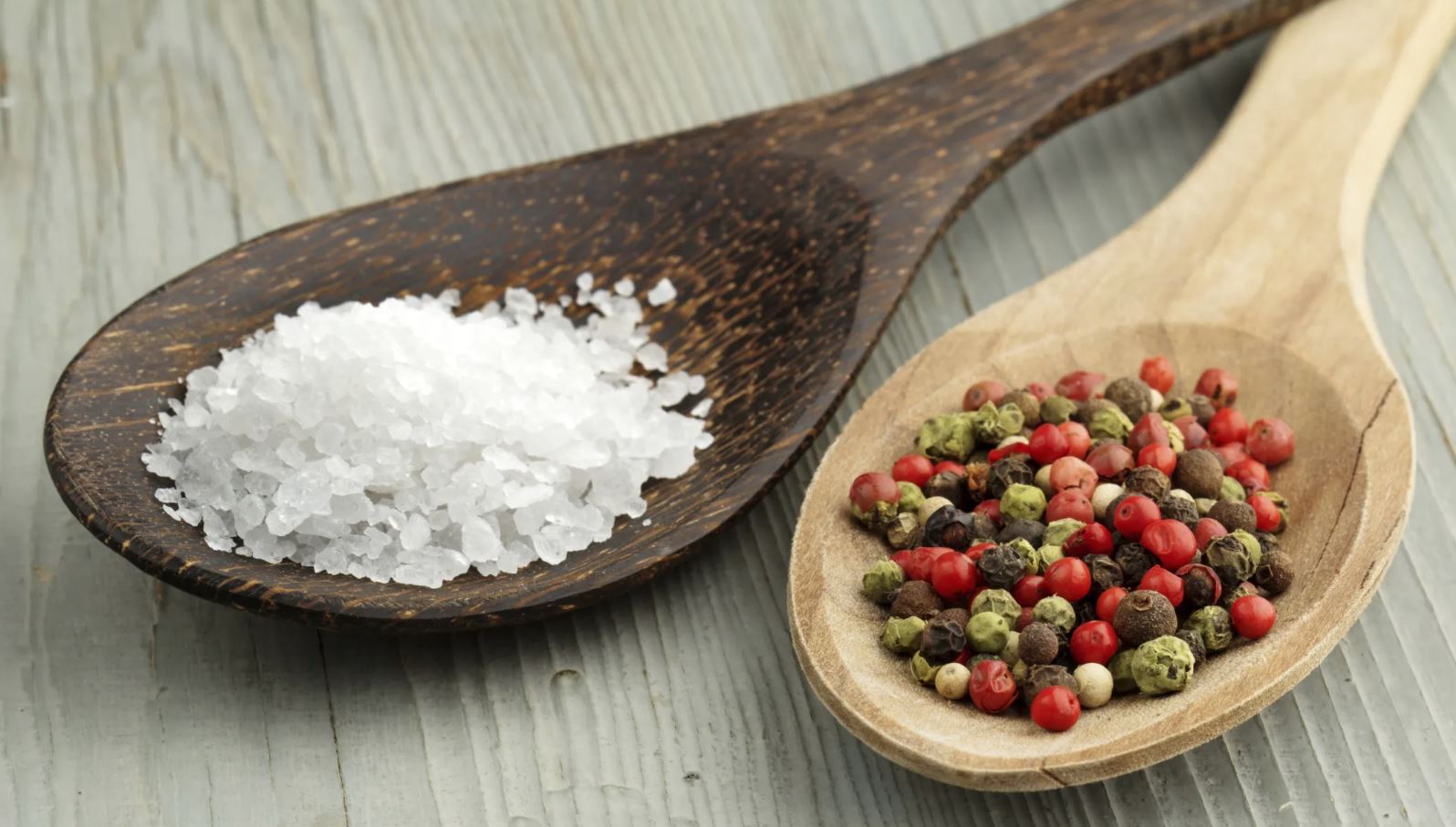
A field guide to seasoning sweetness with minerals aroma and intention
Sweetness needs company not rescue
Sugar is only one singer in the dessert ensemble and the most memorable performances happen when salt steadies the rhythm and spice colors the melody so the final bite feels balanced and vivid rather than loud and tiring.
When we season with care the palate relaxes because contrast and clarity replace blunt force and the guest remembers fragrance texture and finish instead of only sweetness.
How a pinch of salt changes flavor on the tongue
Sodium ions sharpen perception by lowering bitterness and lifting aroma so small amounts of salt make chocolate taste rounder fruit taste riper and dairy taste fuller while also shortening any cloying finish that might linger after a rich spoonful.
The goal is not salinity but focus and the right dose feels invisible until you remove it then the dessert seems flat and the edges blur.
Choosing salts by texture purity and purpose
Fine sea salt dissolves fast and seasons batters creams and custards evenly while flaky crystals bring sparkle and gentle crunch to a plated finish because they sit on the surface and release flavor in tiny waves as you chew.
Mineral rich salts can add whispering notes of iron or calcium that suit caramel and nuts but a pure clean sea salt often flatters delicate fruit and dairy so match the crystal and the mineral tone to the dessert the way you might choose a plate color to flatter a glaze.
Timing matters from mixing bowl to pass
Salt added early binds water and supports protein networks in doughs and batters which improves structure and shelf life while salt added late writes a bright accent over the top that the mouth reads as sparkle and clarity.
In syrups a brief simmer with salt pulls bitterness into harmony then a quiet rest lets volatiles settle so the final brush on fruit looks glossy and tastes clean.
Microdosing salt for chocolate fruit and dairy
Chocolate prefers a barely perceptible level because cocoa already holds bitterness and astringency that salt tames while fruit welcomes a slightly higher pinch since water heavy cells dilute quickly and the effect should feel like sunlight not seawater.
Dairy sits in the middle and a measured sprinkle wakes butter notes without turning creamy parts savory and the spoon finishes lighter because the palate resets between bites.
The spice spectrum from warm to bright
Warm spices such as cinnamon clove and allspice hug sugar and deepen comfort while bright spices such as cardamom coriander and grains of paradise lift fruit and lighten cream so placing them wisely can steer a dessert toward cozy or toward lively without touching the sugar jar.
Earthy partners like star anise bay and gentler pepper tease out chocolate depth while citrus peels and fresh ginger write clean lines through dairy and caramel.
Toast bloom and wake the pantry
Whole spices hold delicate oils that wake when heat kisses the surface so a brief toast in a dry pan until fragrance rises turns dull dust into a living ingredient that can stand beside fresh fruit and cultured cream.
Bloom ground spices in warm fat syrup or alcohol so aromatic molecules step into solution then strain or fold as needed and the dessert carries perfume that lasts from first sniff to the last echo of flavor.
Extraction paths fat water alcohol sugar
Fat carries nonpolar aromas from vanilla clove and citrus zest so infuse cream butter or cocoa butter for custards ganache and glazes while water extracts peppery and herbal notes that suit sorbets teas and poached fruit.
Alcohol unlocks stubborn volatiles from cinnamon and star anise and a small tincture can season syrups or macerations without adding weight and sugar itself becomes a gentle solvent when you rub zest or spice into it for a perfumed base.
Grinding and particle size control volatility
A coarse grind releases slow waves of aroma during chewing which suits crunchy finishes and nut brittles while a fine grind perfumes the whole mixture quickly and evenly which suits puddings and cakes that should taste consistent from edge to center.
Grind only what you need because surface area invites oxidation then store the rest whole in a cool dark cabinet so the next batch sings as clearly as the first.
A pairing map for chocolate dairy fruit and grain
Dark chocolate finds lift in cardamom pink pepper and a salt that dissolves quickly while milk chocolate likes nutmeg gentle chili and a few flakes for sparkle and white chocolate welcomes citrus peel coriander and a very light hand with salt to cut waxiness.
Custards love bay saffron and allspice while sorbets dance with ginger or long pepper and a whisper of salt and grain desserts such as rice pudding or semolina cake glow with cinnamon mace and orange blossom kept bright with a tiny saline thread.
Heat perception in dessert without fire
Capsaicin triggers a slow warm glow that lengthens finish and when used with care it reads as depth rather than spice so a dark chocolate cremeux with a trace of ancho or a mango sorbet brushed with mild chili tastes more dimensional but still comforting.
Balance that glow with dairy or fruit acidity to keep the palate refreshed and the memory of warmth will feel like a candle not a bonfire.
Salt in frozen desserts for texture and bloom
A touch of salt lowers perceived bitterness from cocoa or coffee in ice cream and also sharpens fruit notes in sorbet while improving body because it subtly alters free water and helps small crystals form during churn and rest.
Add the pinch to the base before aging so molecules mingle and the scoop later feels creamy and bright at the same time.
Caramel made graceful with restraint
Caramel already holds bitter and sweet in a delicate truce and salt can either sign the treaty or topple it so start with a fraction of a gram per serving and let the perfume of butter and cooked sugar lead while the salt keeps the aftertaste tidy.
Finish with two or three flakes on the plate rather than a heavy scatter and the first bite will pop while the second tastes balanced and calm.
Citrus spice and saline synergy
Lemon and orange oils flash across the nose and a tiny amount of salt stretches that flash into a longer line so the sorbet or curd tastes brighter with less sugar and the spoon invites another dip.
Pair citrus with coriander seed or cardamom for lift or with star anise for a deeper echo then add a pinch of salt to set the frame and avoid heavy syrup that would blur the edges.
Bitterness as structure against sweetness
Cocoa nib tea and gentle char give a scaffold that helps sugar stand upright and salt draws that scaffold into alignment so a nib streusel over panna cotta or a tea syrup brushed on sponge tastes clear not harsh.
Add warm spices when you want to wrap the structure in comfort or add bright spices when you want to keep the silhouette lean and modern.
Global traditions as mentors
Spiced milk desserts from South Asia teach patience with cardamom and saffron while citrus and cinnamon custards from Iberian kitchens teach calm restraint and sesame honey sweets from the Levant show how seeds carry both perfume and quiet sweetness that salt can polish.
Study intent rather than copy ratios and you will find pathways that suit local fruit seasons and contemporary appetites.
Finishing moves with crystals and scented dusts
Three flakes of salt placed where the spoon lands first matter more than a wide scatter and a fine dust of toasted spice over whipped cream perfumes the air exactly when the guest leans in which doubles impact without adding weight.
Use contrast wisely a shiny glaze likes a matte salt flake while a powdered finish welcomes a tiny bead of saline syrup for sparkle and balance.
Beverages that frame salt and spice
Tea with gentle tannin resets the mouth after creamy desserts and amplifies cardamom clove or bay while black coffee partners with cinnamon and cocoa and a light spritz of citrus water before fruit plates keeps acidity lively so salt can do less work.
For non alcoholic pairings consider a cool infusion of mint fennel or toasted barley which clears the palate and makes subtle seasoning feel audible.
Nutrition and clarity through seasoning
A little salt and carefully chosen spice often allow a reduction in total sugar because the palate reads the dessert as complete and layered and guests finish satisfied without heaviness.
Seasoning also shortens ingredient lists since aroma and minerality replace extra syrups glazes and heavy creams that would only imitate depth.
Troubleshooting oversalted or over spiced plates
If salinity dominates add fat or starch to absorb and buffer then recheck acidity and adjust with citrus or cultured dairy to pull the focus forward while holding back more salt for the finish only.
If spice shouts fold the base into an unscented portion to dilute or introduce a cooling partner such as mascarpone yogurt or coconut cream and add a tiny amount of sugar only if brightness still fails to return.
Case study chocolate tart with pink pepper and bay
Steep a single bay leaf in warm cream then strain and build the ganache so the chocolate carries an herbal shadow that reads elegant not loud then grind pink pepper lightly and scatter a whisper across the set tart with two flakes of delicate sea salt placed near the tip where the fork begins.
The first bite tastes floral and focused and the last bite finishes clean because the salt adjusted bitterness while the spice lifted the cocoa perfume.
Case study roasted pineapple with ginger salt and lime
Roast pineapple wedges until edges caramelize then brush with a syrup of ginger juice and a small pinch of salt and finish with fresh lime zest at the pass so aroma rises and the fruit tastes sweeter without extra sugar.
Serve with a barely sweet coconut cream and one or two crystals of flake salt on each piece so the experience moves from bright to lush and then back to bright.
Case study rice pudding with cardamom smoke and honey
Cook short grain rice slowly with milk and a modest pinch of salt until grains relax then stir in crushed cardamom near the end and rest the pot covered so oils migrate into the cream and sweeten with a small ribbon of herbal honey just before serving.
Top with a dust of lightly smoked tea for a dry bitter counterpoint and the bowl will taste layered and calm without heavy sweetness.
Scaling seasoning for a busy service
Create master tinctures of key spices and saline solutions at measured strengths then add by drops or grams during plating so every portion matches and you avoid last minute guessing under heat and light.
Label the containers with concentration date and target desserts and train the team to season plates in the same sequence so muscle memory protects consistency.
Sourcing with respect for growers and seas
Choose salts from producers who manage brine ponds responsibly and buy spices from merchants who support careful drying sorting and fair work because better handling means brighter aroma and honest color which shows in the dessert and in the story you share with guests.
Whole spices from trusted farms last longer and taste cleaner so spending on quality raises both impact and value across many plates.
Modern tools for gentle precision
A gram scale resolves small additions that fingers cannot and a fine mist bottle delivers saline glaze evenly over fruit tarts while an induction burner holds infusion temperatures steady so spices never stew into harshness.
Use a small stone grinder for fresh spice pastes when you want deep perfume without grit and keep a sieve ready so textures stay elegant.
Seasoning frozen and chilled desserts across time
Cold mutes spice and salt so tune bases slightly higher than room temperature tasting would suggest then test again after freeze and rest because perception shifts during storage and travel to the dining room.
Finish at the pass with a tiny fresh note of zest or a single flake of salt to reawaken aroma that the freezer made quiet.
Teaching the palate through small flights
Offer a trio of tiny creams that share one base then season one with citrus and a touch of salt one with warm spice and one with a floral seed so guests learn how seasoning direction changes mood without raising sugar or fat.
This practice trains both cook and diner to sense balance and reduces fear of subtlety because evidence sits right on the spoon.
Designing garnish that signals flavor truthfully
A shard of sesame brittle suggests toast and warmth and tells the mouth to expect spice while a clear sugar window with a few flakes of salt promises shimmer and focus so choose garnish that tells the same story the first bite will confirm.
Color can help a green dust of pistachio or coriander over citrus says bright and a darker cocoa nib crumble over cream says grounded and the pinch of salt ties the picture to the taste.
Future paths for seasoned sweets
Low sugar desserts will rely more on mineral and spice intelligence and new extractions such as vacuum infusions and rotor based grinders will let us reach perfume with less heat and less time which keeps fruit and dairy tasting honest.
The next chapter will not be louder it will be clearer with salt and spice acting as editors that shape the paragraph of flavor so every sentence reads with purpose.
A final pinch before the spoon
Salt and spice are tiny choices with large echoes and when they work in concert sweetness stops shouting and starts singing which turns dessert from an exclamation into a conversation that lingers long after the plate is cleared.
Season with patience listen between bites and let minerals and aromatics hold the frame while fruit grain chocolate and cream paint the picture and the memory of that harmony will travel farther than sugar alone ever could.