

Perfume Meets Tang in the Sweet Kitchen
A guide to tuning fruit desserts so scent feels vivid and freshness reads clean
Why Acidity Shapes Memory
First impressions in a fruit dessert often arrive as brightness, a gentle spark that lifts sweetness and lets aroma stand tall, and that brightness lives in acids that wake the tongue, narrow focus, and frame the perfume of ripe produce, so when acidity sits in balance the fruit tastes more itself, colors look alive, and the finish lands with clarity rather than fatigue.
The palate does not read numbers, it reads contrast, and acids create contrast by tightening textures, tempering sugar, and slowing palate fatigue, which explains why a spoon of lemony syrup over berries makes the same fruit feel renewed, more fragrant, and easier to love across a whole plate.
Aromatics and Their Invisible Pathways
The scents we call fruitiness ride on small volatile molecules that leap into the air when warmth or fat or alcohol helps them travel, esters bring candy like notes, terpenes add citrus spark, phenolics lend depth that hints at flowers or tea, and a dessert that respects these pathways will smell bigger without tasting heavier.
Because volatility depends on temperature and medium, a cool sorbet may need a little alcohol or a whisper of fat to throw its perfume, while a warm compote will sing on its own, and once this link becomes habit a cook designs structure not only for mouthfeel but also for scent release.
Choosing the Right Acid for the Fruit
Citrus juices supply citric acid that feels bright and fast, apples and pears lean on malic acid that reads crisp, grapes and tamarind share tartaric acid that cuts with firm edges, dairy brings lactic acid that tastes round, and vinegar carries acetic acid that asks for a careful hand, so the best match respects the natural profile of the fruit and the mood of the dish.
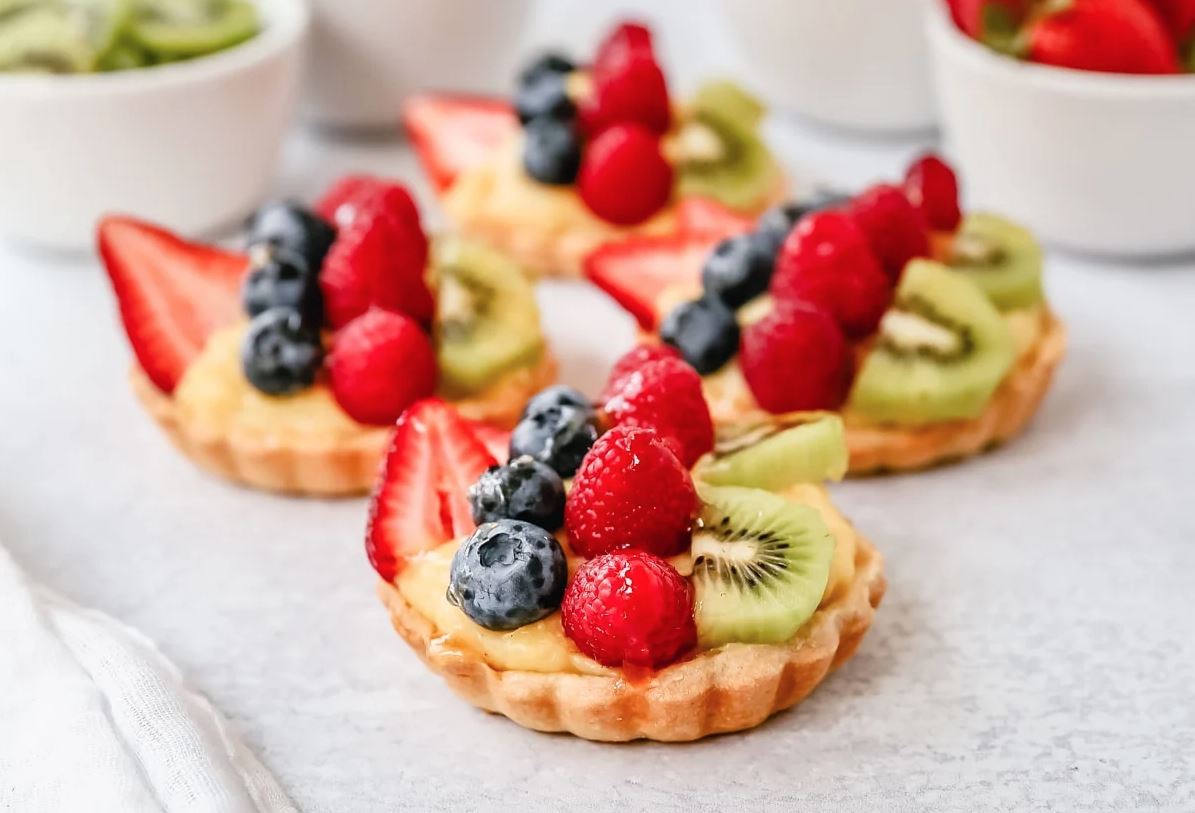
A strawberry tart likes a small citric lift plus a touch of lactic creaminess, apricot jam loves malic support that keeps it from cloying, and grapes or plums accept a brief flirt with tartaric strength that sharpens the finish without stealing the fruit’s voice.
Sugar as Bridge not Blanket
Sugar lifts aroma by carrying volatile notes and reduces harsh edges, yet too much turns the piece sleepy and hides nuance, so the aim is a bridge that carries perfume from first bite to last without smothering acidity, and that often means a lower sweetness level paired with salt and acid to keep focus.
Unrefined sugars bring molasses or caramel tones that add warmth, honey adds floral length, maple supplies wood and smoke, and each choice should serve the fruit rather than ask the fruit to carry the sweetener, which is easier when acids stay lively.
Salt and Bitterness as Quiet Editors
A small pinch of salt heightens aroma and steadies sweetness, while a trace of bitterness from citrus pith, tea, or cocoa nibs narrows a loose finish and makes acidity feel precise, and the effect resembles sharpening the focus on a camera, where edges and color snap into place without adding volume.
Use these levers in tiny amounts, since the goal is clarity rather than bold seasoning, and remember that bitterness accumulates across bites, so test with a cool head and a clean spoon.
Temperature Texture and Aroma Release
Cold slows aroma and heightens acidity, warmth speeds aroma and softens sharpness, so service temperature becomes a tuning knob, and a sorbet that tastes perfect in the churn may need a minute at room temperature to show its full scent, while a warm crumble might welcome a tangy cream to keep brightness near the surface.
Texture plays the same game, smooth gels and foams release perfume quickly, dense cakes hold it and reveal slowly, so a plate that combines both will feel engaging from first sniff to last crumb.
Dairy Fat and Nut Oils as Carriers
Fat dissolves many aromatic compounds and stretches their release across time, so a spoon of lightly sweetened cream or a thin nut based ganache can make berries taste more berry like and citrus taste round without dulling sparkle, and the key is restraint, enough to carry scent, not enough to mute the acid frame.
Cultured dairy adds lactic tang that supports fruit, while almond or hazelnut oils pair naturally with stone fruit and pears, and pistachio loves cherries and citrus, all of which should be whisked gently and served cool so aroma and acidity keep step.
Pectin Gelatin and Starch in Acid Environments
Pectin gels best within a narrow acidity window and with adequate sugar, which means low sugar jams may need calcium or a specific pectin type, gelatin sets across a broad range but weakens with high heat or strong acid, and starches thicken well yet can taste dull if the acid is added too early, so the order of operations decides both texture and flavor.
Cook starch with fruit first, adjust acid near the end, add gelatin off the boil, and choose pectin types for the sugar level you intend, and each step will protect aroma while keeping the set clean.
Roasting Poaching and Maceration
Dry roasting fruit concentrates sugars and deepens aroma by driving off water, which increases perceived acidity even without extra juice, poaching moves in the opposite direction by lending gentleness and adding a perfumed syrup that carries acid with grace, and maceration with sugar and a nip of citrus draws juices that form a vivid sauce with little effort.
These methods can stack, roast first for color, then tumble through a warm syrup, or macerate, then roast on a hot tray so the edges caramelize while the centers stay bright, and in every case acidity stays in dialogue with scent.
Infusions Zests and Floral Notes
Zest holds oils that leap into cream, syrups, and custards, herbs like basil or mint lend green lift to berries and stone fruit, tea provides tannin and perfume that anchor citrus, and flowers such as elder or rose require a light hand so they frame rather than mask the fruit.
Infuse at modest heat, strain cleanly, and add a small squeeze of lemon or a spoon of yogurt if the infusion reads perfumey without backbone, since a little acid will pull the aromatics into focus.
Sorbets Granitas and Frozen Clarity
Frozen desserts blunt both aroma and sweetness, so formulas lean brighter with higher acidity and a touch of alcohol or a small amount of fat from coconut or dairy to help scent travel, and a refractometer helps keep solids in a zone where texture stays smooth and scoopable while flavor remains fresh.
Granita prefers strong infusions and a clear acid line, since the ice crystals spread flavor across the tongue in bursts, and a finish of citrus zest over the shaved ice wakes the scent at the moment of service.
Curds Mousses and Silky Finishes
Fruit curds rely on egg structure and butter for body, which can swallow brightness if the acid is timid, so aim for a firm but lively tang that cuts through the richness, add zest for top notes, and finish with a pinch of salt to lengthen the echo.
Mousses use cream or egg foams to lift aroma, which often asks for more acid than a custard would carry, and folding in a sharp gelled puree gives structure and sparkle at once.
Tarts Cakes and Shelled Formats
A tart shell or sponge offers contrast and a stage for acidity, and a more savory crumb with a touch of salt and a hint of nut flour can make fruit taste brighter without extra lemon, while a glaze with restrained sugar adds shine and protection without turning the bite heavy.
Keep bakes gentle to protect aromatics, and reserve most of the acid for fillings and glazes, where the tongue meets it first.
Layering Acids for Depth not Shock
Single acids give a clear voice, blended acids create harmony, and a smart plate may use a primary acid in the base and a different one in the garnish, for example lactic in a cream plus citric in a gel, which reads deep and complete without feeling aggressive.
A small measure of vinegar can lift berries in syrup when used below the threshold of recognition, especially with balsamic that brings fruit notes of its own, and this is more about contour than surprise.
Measuring What the Tongue Already Knows
If tools are available, a pH meter and a refractometer help translate taste into repeatable targets, since many sorbets live happily at a pH near the low threes with solids balanced for flow and scoop, while curds usually stand a little higher for egg stability, and these numbers become anchors that free creativity rather than fence it in.
Even without instruments, structured tasting works, chill to serving temperature, line up small bowls with different acid and sugar levels, and choose the bowl that makes the nose bloom and the finish feel clean, then write what you did and keep the note for next time.
Pairings That Lift not Compete
Citrus brightens berries and cuts through cream, stone fruit loves almond and fennel seed, pears enjoy cocoa nibs and black tea, grapes and figs like fresh cheese that brings lactic roundness, and tropical fruit glows beside lime and a crumb that carries coconut or toasted rice, each pair chosen to raise aroma and keep acidity lively.
Spice belongs in this conversation, cardamom with orange, ginger with pineapple or pear, cinnamon in very small amounts with apple, and in every case the spice should tilt the fruit forward rather than introduce a new center of gravity.
Service Timing and Storage
Acid and aroma shift as desserts rest, gels relax, syrups thicken, and fruit continues to move water, so timelines matter, macerated fruit wants the table soon after seasoning, curds hold well when covered, tarts prefer shells baked dry and filled close to service, and frozen items taste best after a short temper so scent can rise.
Storage containers should be airtight and odor free, since fruit picks up stray scents with ease, and chilled air should be dry to prevent water on glazes that would wash away perfume and dull the surface.
Troubleshooting from Dull to Sharp
If a dessert tastes flat, raise acidity by small steps and add a pinch of salt before adding more sugar, because sweetness often hides the problem rather than solving it, and if the bite feels harsh, add fat or a second softer acid like lactic, or stir in a small amount of cooked fruit to round the line.
When aroma hides, warm the dessert slightly, add zest oils at the last moment, or brush a light aromatic syrup on the surface, and if texture drags, thin with fruit water or spirits that match the profile so perfume travels again.
Case Studies on the Plate
Strawberry tart with cultured cream begins with a salty crumb, a curd that balances citric and lactic tones, fresh slices tossed with a small pinch of sugar and lemon, and a glaze that whispers rather than shouts, which yields fragrance first and a bright finish that asks for another forkful.
Roasted apricots in black tea syrup rest beside yogurt mousse, the tea provides tannin and perfume, the yogurt adds round acid, and a few drops of lemon at service lift the top notes, while a sprinkle of toasted almond carries scent through the last bite with quiet authority.
A Last Spoon of Brightness
Balance in fruit desserts is not a number, it is a conversation between perfume and tang that invites the palate to pay attention without strain, and once that conversation feels natural a cook can turn any market basket into a plate where scent rises, sweetness behaves, and the finish clears like sky after rain.
Hold that idea with care, season with curiosity, taste at serving temperature, write what worked, and let the fruit speak through a frame that honors both aroma and acidity, because that is the moment when simple ingredients become a memory worth keeping.