

Light Learns To Dance On Cake
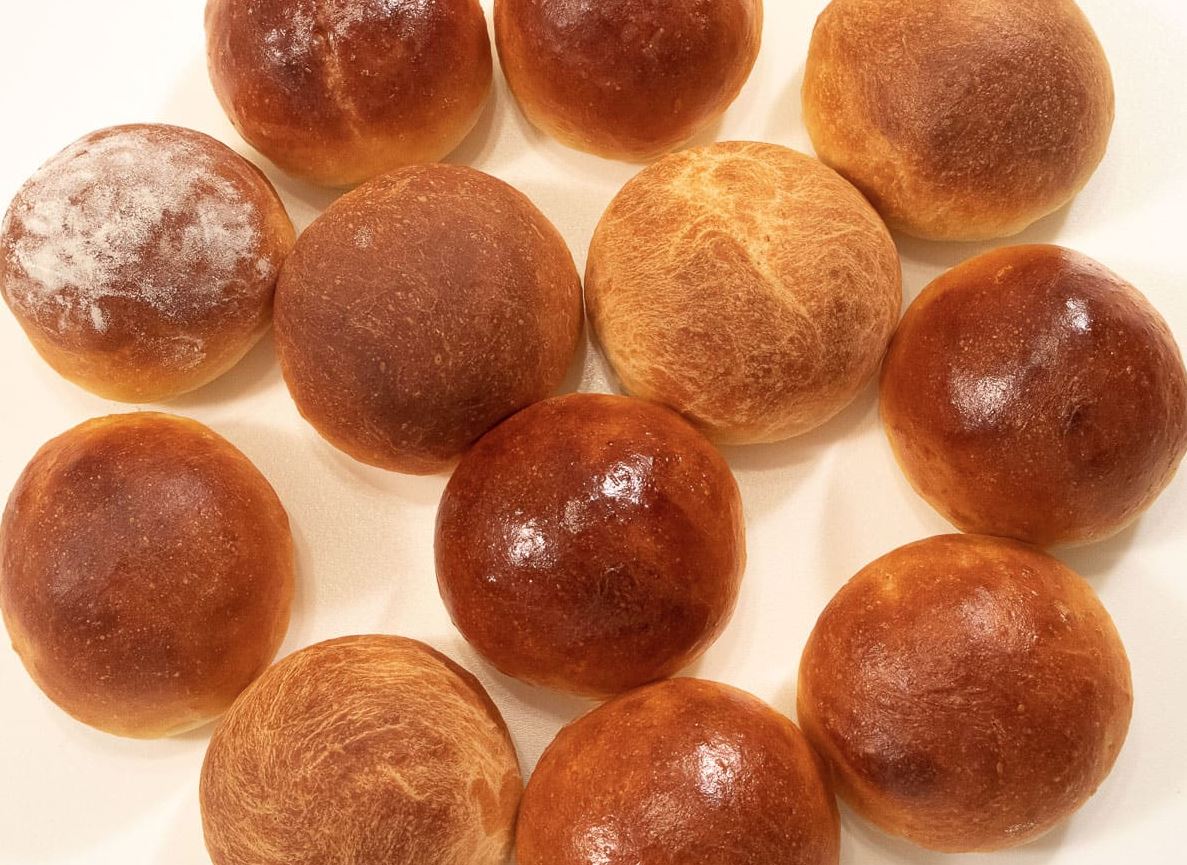
A complete exploration of gloss in pastry glazes from quiet sheen to striking mirror
Why shine changes the first bite
Gloss signals freshness and care before a spoon lifts, a bright surface promises clean flavors and a neat finish, and the way light rides across a glaze tells the eye about texture long before the tongue confirms it, a strong highlight hints at smooth structure while a soft glow suggests gentle richness, both can delight when they match the story inside the dessert.
Specular reflection in kitchen language
Shine appears when a surface is smooth enough to reflect light in a clear direction rather than scattering it in many paths, sugar syrups that set as uniform films return a crisp highlight, tiny bubbles or rough particles scatter rays and produce haze, so the craft of gloss is a craft of smoothing, filtering, and controlling thickness.
Refractive index and why clarity matters
Liquids bend light differently depending on composition, sugar rich solutions bend it more than water which turns a thin coat into a natural lens that amplifies color, this is why fruit under clear nappage glows and why chocolate under mirror glaze looks deeper, purity, even mixing, and correct water content keep this tiny lens clear and bright.
Sugar concentration and the road to shine
Boiling syrup drives off water and raises solids which increases body and gloss potential, a modest concentration yields a soft sheen for fruit tarts while higher solids create mirror finishes for frozen cakes, cook gently and avoid dark caramel unless color demands it, most pastry glazes aim for clarity rather than deep browning.
Glucose syrup and invert sugar as bodyguards
Both glucose syrup and invert sugar reduce the urge of sucrose to crystallize, they keep the film smooth and flexible, and they lower water activity which protects shine from sweating, small amounts create stability without stealing flavor, larger doses give longer hold and softer cut.
Gelatin choices and bloom strength
Gelatin forms a flexible network that traps water and creates a glossy skin, stronger bloom sets more firmly with less weight which keeps flavors bright, weaker bloom needs a larger dose which can dull clarity, hydrate in cool water until soft, melt gently into warm syrup, and never boil, boiling breaks chains and dims both shine and texture.
Pectin for fruit led glazes
Pectin gives clean set and bright flavor for fruit nappage, amidated pectin responds well to calcium and to reheating, it coats fruit neatly and resists weeping on tart shells, cook fruit juice with sugar then whisk in pectin and simmer for a short moment, finish with lemon for sparkle and strain for a glass like surface.
Chocolate mirror glaze and its inner structure
Cocoa solids, cocoa butter, sugar, and dairy form a fine emulsion that behaves like a dark lake, condensed milk supplies lactose and proteins that polish the sheen, cocoa butter delivers a hard shine once cool, and the sugar matrix keeps the film tight, when balance is right the glaze pours in a smooth ribbon and settles without streaks.
Cocoa butter crystals and gentle alignment
Mirror glazes rely on cocoa butter setting in an orderly way, this does not require full chocolate temper yet it does ask for calm cooling and correct use temperature, if poured too warm the film thins and looks patchy, if poured too cool the surface ripples, a small sweet spot gives the famous reflective look that holds through service.
Dairy components and shine support
Milk proteins create a fine film at the surface and smooth tiny imperfections, lactose brings mild sweetness that does not bully fruit or coffee, both help the highlight read creamy rather than oily, choose clean dairy with fresh scent, stale milk mutes perfume and reduces clarity.
Water activity and the fight against sweat
Glazes dull when surface water condenses or leaches out, control water by using balanced sugars and by respecting chill and thaw rules, a glaze with steady water activity will hold a tight surface on a cold cake and will not bleed into creams below.
Acids salts and color honesty
A drop of acid like lemon brightens fruit tone and thins heavy sweetness, a tiny pinch of salt focuses flavor and shortens cloying finish, both must sit under the threshold of awareness or shine will look clean while taste remains balanced, color stays true when pH lives near the fruit’s natural level.
Emulsification and the stick blender secret
Shear breaks fat droplets into tiny sizes and disperses solids so the film reads as one, a deep narrow beaker and an immersion blender used at a slight angle while the head stays under the surface prevent air from riding into the mix, short pulses settle particles without building froth, the result is a glaze that pours like silk.
Bubble control from pot to pass
Air pockets are enemies of shine because they scatter light and leave pinholes, avoid whisking, favor gentle stirring with a spatula, sieve while warm, rest the glaze overnight in the fridge to let bubbles rise, then rewarm slowly and blend with the head buried to keep new air out, a quick pass with a flame can pop surface blips just before pouring.
Color layering for optical depth
Translucent glazes intensify whatever sits beneath, dark bases appear deeper under clear coats, bright fruit purées glow under neutral nappage, and white chocolate glazes act as a canvas for natural pigments, build color with restraint so the highlight remains crisp, heavy pigment can mute the mirror effect by roughening the film.
Preparing the canvas beneath the glaze
Shine depends on the smoothness of what lies below, an entremet should be frozen hard with sides trimmed neat and gaps sealed with a thin coat of neutral cream or a clean base, crumbs or ridges telegraph through the film and break the highlight, run a warm spatula around edges to relax small steps before glazing.
Freezing and temperature targets for pouring
For mirror glazes the cake should be very cold and firm so the glaze grabs and sets fast, for fruit nappage the tart can be cool but not icy, if the base is too cold steam may cloud the coat, if too warm the glaze runs off and pools, aim for a cold that stiffens but does not frost the surface.
Working temperatures that keep the ribbon smooth
Each formula has a tight range where viscosity feels like warm honey, below that range the glaze drags and forms waves, above it the film thins and turns see through, a small digital thermometer and a simple flow test from a spoon give consistent results each day, taste a drop as well since warmth changes perceived sweetness.
Pouring practice that avoids streaks
Place the frozen cake on a rack over a clean tray, begin at the center and spiral outward in even motion, then run a quiet stream across the edge all around, let gravity finish the sides and resist the urge to touch, small ripples often settle in seconds when the viscosity is right.
Edge control and drip management
Drips can dry into feet if left too long, once the flow slows, lift the cake with two small spatulas, swipe the rack clean, then set the cake on a stand, if an edge still shows a thread, warm a knife, wipe dry, and barely kiss the spot, do not saw or the film will scar.
Thickness tests without special tools
Coat the back of a chilled spoon and count the seconds until drips stop, a slow even curtain suggests correct body, paint a stripe on a cold tile and check reflection of a light source, a crisp line means success, a fuzzy band means the mix needs rest or a little reduction.
Room conditions that protect gloss
High humidity fogs glaze and low humidity dries edges too fast, work in a cool calm room away from strong airflow, keep trays and racks spotless because sugar films pick up lint and oil, line the floor of the pass with clean parchment so stray flour or nuts do not ride into the mirror.
Storage reheating and gentle cycles
Most glazes survive chill and rewarm if reheated slowly and blended with care, avoid repeated hard boils that break emulsions and darken color, divide batches into small containers so you only heat what you need, label with date and solids ratio for steady outcomes across service.
Shine without gelatin for plant focused menus
Agar with a touch of starch gives clear nappage that sets fast and cuts clean, kappa carrageenan with locust bean gum builds elastic films that resist drip on fruit, practice is needed since plant gels set at different temperatures, warm gently to dissolve, strain for clarity, and keep acidity in a friendly zone.
Metal and tools that keep clarity high
Use stainless pots and silicone spatulas, avoid reactive metals that could tint fruit syrups, choose deep heatproof jugs for tidy pours, keep one dedicated blender head for sweet glazes so savory aromas never ghost into dessert work, clean filters and sieves just before use so fibers do not cloud the film.
Flavor design that honors the shine
Glaze should support the flavors within the cake, not overpower them, a neutral coat over bright fruit lets the aroma lead, a dark cocoa glaze suits coffee or nut layers, a white chocolate vanilla glaze flatters berries and citrus, a pinch of salt and a drop of acid bring focus while keeping the surface radiant.
Plating light and the final reveal
After glazing choose plates that respect the highlight, matte surfaces make the mirror look sharper, gentle warm light gives caramel and dairy a plush glow, cool light makes citrus or berry tones look vivid, keep fingerprints off the plate rim since smudges are louder beside a mirror bright dessert.
Common problems and fast fixes
If the glaze looks dull it may have too much water or too little sugar, reduce slightly and add a little glucose syrup for body, if the surface shows pinholes you likely trapped air, blend under the surface and strain, if lines appear after pouring the cake warmed too much or the mix cooled, return to correct temperature and try again.
Cracking, sliding, and sticky touch
Cracks come from over thick coats or from fast shrinkage, thin the mix or pour a little warmer, sliding happens when the base sweats or when the glaze is too hot, dry the cake in the freezer and lower the pour temperature, tacky touch means high humidity or undercooked syrup, give a brief gentle reheat to reset the film and move service to a cooler station.
A precise plan for dark chocolate mirror glaze
Build a syrup with water, sugar, and glucose syrup to a gentle boil, whisk in sieved cocoa, simmer for a minute to remove raw notes, off the heat stir in bloomed gelatin until dissolved, cool to warm and blend with a stick blender head kept under the surface, rest overnight, rewarm to a ribbon that flows like light cream, strain, then pour over a very cold entremet and let the highlight settle before moving to the plate.
A bright path for clear fruit nappage
Combine fruit juice, sugar, and a portion of glucose syrup, whisk in pectin mixed with sugar, bring to a steady simmer for a short time, finish with lemon for balance, skim, strain, and brush warm over well dried fruit, for a tart that will travel, brush a thin first coat, chill, then brush a second coat for a glass finish that protects color and moisture.
Color play with natural pigments
Use concentrated purées for gentle reds and purples, matcha for delicate green, saffron or turmeric for sunny gold used with restraint, all carry flavor so dose with a light hand and keep the film smooth by straining, heavy powders can dull the shine by adding grit, a little clear glaze over a tinted base can restore sparkle while keeping tone.
Scaling for a busy pastry pass
Standardize solids and temperatures, keep a small test tile in the fridge to check flow every time you rewarm, pour onto silicone mats for easy cleanup and fast reuse of drips, collect leftovers through a sieve into labeled jugs, never mix old and new blindly, blend in measured parts and note how the highlight behaves.
Food safety and thoughtful storage
High sugar and low water activity help preservation yet dairy and fruit still require clean handling, cool glazes quickly and store covered, avoid long room temperature windows, use clean gloves and tools during pouring so the mirror surface stays both safe and immaculate.
Sensory calibration for the team
Train eyes with a short daily ritual, pour a stripe on a chilled tile at target temperature and judge edge, highlight, and drip tail, compare to photos from previous service, align language so crisp means a sharp light line and satin means a soft wider glow, shared words make consistent plates.
Eco choices without losing sparkle
Choose sugars and cocoa from partners who value soil and labor, find plant gel sources that publish clear data, keep waste low by sieving and reusing clean drips, shine feels richer when the story behind it holds integrity as well as technique.
Designing textures that frame the mirror
Set glossy domes beside matte crumbs or crisp wafers to create contrast, place a clear glaze near a velvet sprayed accent for a play of light and shadow, add one bright fruit or herb leaf to anchor scale, too many reflections crowd the plate and reduce the impact of a single perfect highlight.
Practice plan for steady progress
Work in small batches, change only one variable at a time, record pour temperature, base temperature, sugar ratio, and rest time, photograph the highlight under the same light each session, progress arrives when notes lead decisions rather than hope, shine turns from luck into skill.
A last quiet gleam
Gloss comes from calm choices that respect sugar, water, fat, and time, it arrives when surfaces are smooth, bubbles are few, and flavor sits in balance, treat light as a final ingredient, give the glaze a moment to settle, and the dessert will return a clean bright line that guides the first bite and lingers in memory long after the plate is empty.