

Sweet That Melt On The Tongue
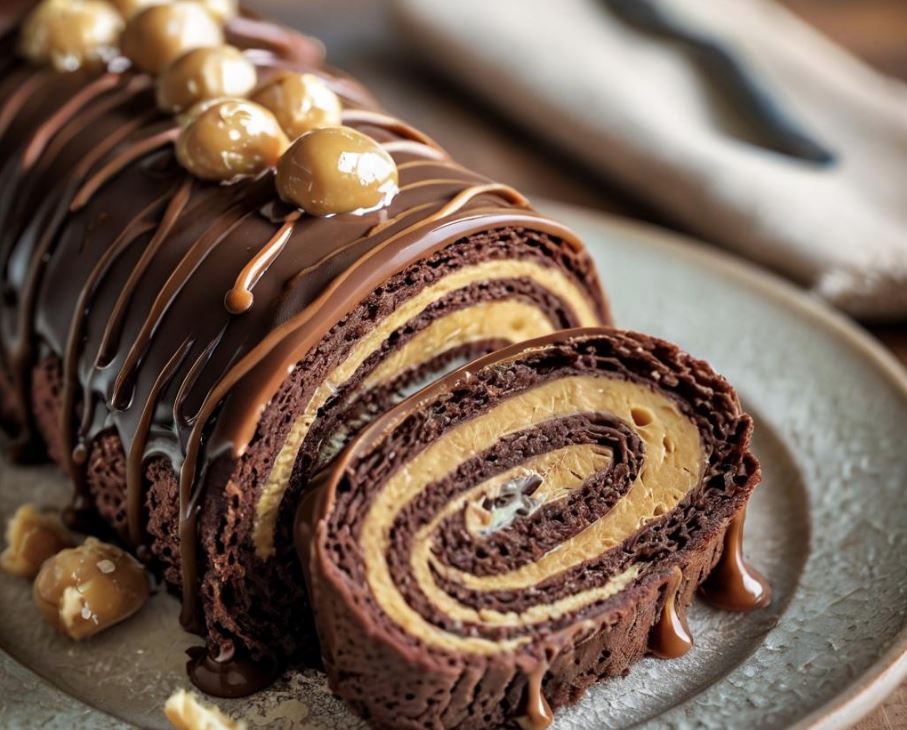
A deep journey into the way cream and air collaborate to craft joy in desserts
Cream As A Living Architecture
Cream holds fat water and milk solids in delicate balance and when air passes through that system it becomes a foam that can carry flavor like perfume and feel lighter than its ingredients suggest. The bubbles act as rooms the fat acts as walls and the liquid phase binds the frame so the spoon meets softness followed by a slow bloom of aroma that seems to float above the palate.
This architecture depends on partial coalescence where fat molecules kiss and connect but do not collapse and that small miracle traps air in a network that is strong enough to hold shape and tender enough to melt without clinging.
Fat Crystals And Partial Coalescence
Fat in cream exists as crystals and liquid and the ratio changes with temperature which means the same cream can whip like satin one minute and refuse to hold peaks the next. As the whisk turns semi solid fat crystals bump into each other and form a loose shell around bubbles and that shell slows drainage so the foam rises and stays standing.
Too warm and the crystals melt so the shell cannot form and the foam slides into a puddle. Too cold and the fat grains together and makes a butter like mass. The sweet spot gives structure that carries delicate flavors with grace.
Temperature As The Silent Ingredient
Chilled cream bowl and whisk reduce friction and keep fat at the level of firmness that favors bubble capture. Cold air dissolves into liquid more easily which buys time for network building before gravity wins and the result is a taller more stable whip with smaller bubbles and a clean mouthfeel.
Professional kitchens stage cream near the very cold edge but stop short of freezing because ice shards slice fat membranes and weaken stability. The best results arrive when movement warms the system gently while the fridge stands ready to reset the window as needed.
Sugar The Balancer Of Texture And Flavor
Sugar sweetens but it also thickens the liquid phase and protects bubbles by increasing viscosity which reduces drainage and slows collapse. Fine crystals dissolve quickly which prevents grit and allows rapid flavor tuning while syrup brings gloss and a silkier ride on the tongue.
Add sugar after soft peaks form for more control because early sugar may delay whipping and can hide the moment when structure appears. Small amounts carry large influence so taste as you go and keep brightness with a pinch of salt to prevent sleepy sweetness.
Proteins From Dairy And Eggs
Milk proteins align at bubble surfaces and stabilize the film that surrounds air and this helps cream withstand gentle folding or a short rest on the pass. When custards or sabayons join the party egg proteins lend elastic strength that keeps bubbles resilient even under the weight of chocolate or fruit puree.
The partnership creates foams that feel complete not airy for their own sake and that balance allows intense flavors to travel farther without heaviness.
Whisks Bowls And Rhythm
A balloon whisk introduces air rapidly and its many wires shear fat globules into the perfect size for partial coalescence. A chilled metal bowl encourages quick uptake and an angle that lets the whisk sweep a wide arc creates a smoother foam because strokes gather and stretch the mixture rather than beating it into clumps.
Stand mixers add consistency but can overshoot in seconds so cooks listen for the change in sound as the mixture thickens. Hand whisking trades speed for nuance and builds muscle memory that reads texture through resistance.
Nitrous Oxide And The Siphon Path
A cream siphon charges cold cream with nitrous oxide which dissolves readily in fat then rushes out of the nozzle to form bubbles as pressure falls. The gas carries volatile aromas toward the nose and creates a foam that sits between whipped cream and mousse in weight.
Stability depends on fat content and on the use of a light stabilizer such as gelatin or a neutral gum when service will stretch over hours. The payoff is speed consistency and ethereal texture on demand.
Overrun Density And Perceived Luxury
Overrun describes how much air joins the cream and it shapes perception as much as flavor. Low overrun tastes rich but may tire the palate while very high overrun tastes light but fades quickly. The finest results walk the line where the spoon meets resistance then yields to a clean melt that invites another bite.
Chefs choose targets for context heavy cakes ask for higher overrun to refresh the tongue while fruit driven plates prefer moderate overrun that supports acidity without turning frothy.
Stability Weeping And How To Prevent It
All foams face gravity and time and they respond with drainage and coarsening which we read as weeping and collapse. A small amount of starch or gelatin slows the slide and careful sugar management raises viscosity without dulling flavors. Cold plates and cool rooms protect against warm lights and long waits.
If the foam must travel or sit in a case cold setting with gelatin or agar creates a sliceable texture that still melts on contact. For service on the pass short whips with fresh cream beat long holding times every day.
Acidity Salt And Bitterness As Counterpoint
Cream loves a hint of acid because it wakes fat born flavors and sharpens fruit notes. Lemon juice yogurt or cultured dairy build sparkle while still respecting the foam. Salt focuses sweetness and improves finish while a tiny line of bitter such as coffee or cocoa nibs keeps richness honest.
Balance prevents cancellations. Use acid and salt in whispers so the foam remains the star and the plate reads as calm not busy.
Aromatics That Ride The Fat
Many aroma molecules live happily in fat which makes cream a perfect ferry for vanilla citrus oils toasted spice and roasted nut. Warm infusions release fragrance into the liquid then chilling sets the stage for whipping. The result feels aromatic without visible clutter and the scent arrives the moment the spoon lifts toward the mouth.
Filter carefully to avoid grit and measure intensity since cold temperatures mute aroma. A touch stronger than room temperature tasting often lands just right once chilled.
Gels And Gentle Stabilizers
Gelatin creates melt in the mouth set that holds shape without rubber and it works well for molded creams and charlottes. Agar sets more firmly and holds under warmer lights which suits buffets and long displays while kappa carrageenan partners with dairy proteins for a firm yet creamy bite.
Avoid heavy hands. The aim is support not rigidity. If you can see jiggle under a thin crust you have reached the sweet spot where structure and pleasure meet.
Chocolate Meets Cream In Mousse
Chocolate brings cocoa butter that sets like tiny braces around bubbles and if the base is tempered correctly the mousse holds smooth lines and a satin finish. Overheating breaks the emulsion and dulls shine while very cold chocolate seizes and carries lumps into the foam.
Fold whipped cream into a warm glossy base not hot and not cool then stop as soon as streaks fade to avoid collapse. The mousse will set into a cloud that slices cleanly yet melts without resistance.
Fruit Clouds And The Dance With Water
Fruit purees carry water and pectin which can weigh down cream and cause leaks. The cure is reduction to concentrate flavor and a moment of cooling so heat does not melt the foam during folding. A small addition of gelatin or white chocolate can stabilize the partnership and keep freshness bright.
For very juicy fruit use a siphon foam stabilized with a light gel and serve within minutes on chilled plates. The first spoon will burst with perfume and the last bite will feel as lively as the first.
Ice Cream Crystal Control And Air
Ice cream marries air crystals and fat into a frozen symphony. Churn speed and dasher design set bubble size while sugar and alcohol lower freeze point to keep crystals small. A short hardening in a very cold box aligns the matrix and protects against coarse texture after storage.
Overrun for ice cream sets body. Too low results in heavy slabs that numb flavor. Too high makes a snowy scoop that melts like slush. The sweet spot gives a clean cut from the scoop and a slow elegant melt on the tongue.
Frozen Parfaits And Semifreddo
Parfaits and semifreddo combine whipped cream with meringue or sabayon then freeze to bypass churn and still capture tiny bubbles. Sugar stabilizes the foam and egg proteins provide elastic strength so slices hold clean edges even at buffet temperature.
Line molds with acetate for shine and loosen with warm hands for release then finish with a thin glaze that seals against freezer air and adds gleam without weight.
Plant Based Paths To Airy Pleasure
Coconut cream whips well because it holds saturated fat that behaves much like dairy at cold temperatures and it pairs naturally with tropical fruit cocoa and coffee. Aquafaba brings foaming power from chickpea proteins and creates meringues mousses and siphon foams with a light hand and a clean finish.
For body add cocoa butter or nut pastes in tiny amounts and balance with acids to keep flavors bright. The result welcomes every guest at the table without compromise.
Service Temperature And Perceived Sweetness
Cold dulls sweetness and aroma which allows a lighter sugar load in creams that will be served near room temperature. Very cold foams need slightly more sugar and salt so they do not taste muted. Watch for condensation that can loosen set and dull shine.
Temper in the fridge not on the counter and present on chilled or room temperature plates to maintain the target texture through the last bite.
Pairing Cream With Texture
Airy elements shine beside contrast. A brittle shard or thin wafer writes a crisp prelude that makes the cloud feel softer by comparison. A tart gel cuts a path through richness and guides the spoon from top to base with clarity.
Design the plate so the spoon picks up cream then crunch then fruit. The sequence reads as story rather than stack and guests remember the order as much as the taste.
Plating That Respects Fragility
Place foams last and keep sauces underneath not on top so air remains exposed to light and not flooded by liquid. Use tiny chocolate dots or crumbs as hidden feet to lift elements and protect them from damp surfaces.
If a garnish must pierce the foam choose something light like a baked meringue stick so the structure does not sag and the silhouette remains crisp.
Troubleshooting In The Moment
If cream refuses to whip it is likely too warm or too lean. Chill everything and check fat content. If it turns grainy you have crossed into butter making. Rescue by folding in a splash of fresh cream to loosen the network. If a mousse looks streaky the base was too cool or too thick. Warm gently and whisk smooth before folding new cream.
Weeping on the plate means drainage outpaced service. Increase viscosity with a small sugar adjustment or chill plates. Logs of conditions make the next session easier because patterns emerge and errors do not repeat.
Case Study Light Citrus Chantilly
Chill cream bowl and whisk then whip to soft peaks with fine sugar a whisper of salt and zest infused syrup that has cooled. Fold in a spoon of yogurt for tang and serve in cooled glasses over a thin lemon gel. The gel braces acidity while the Chantilly floats and the last spoon tastes as bright as the first.
For variation swap lime and add toasted coconut flakes on top which deliver aroma and gentle crackle without weight.
Case Study Chocolate Cloud With Warm Sauce
Make a warm ganache with dark chocolate and a splash of espresso then fold in softly whipped cream to the edge of homogeneity. Spoon into chilled bowls and hold short of firm set. At service pour thin ribbons of warm cocoa sauce around the edge so temperature contrast blooms flavor and turns the melt into a slow wave.
The sauce never touches the center until the spoon invites it which preserves the structure and gives the eater control over each bite.
Case Study Berries With Siphon Cream
Charge very cold cream with a little vanilla syrup and a tiny pinch of salt in a siphon then shake once and rest in ice for a few minutes. Dress ripe berries with a squeeze of lemon and a dust of sugar then crown with the foam at the table so guests hear the soft sigh from the nozzle and see the cloud rise.
The sound becomes part of the memory and the foam tastes sweeter because expectation rises with the effect.
Production Workflow And Holding
Set a rhythm that protects cold chain and avoids rush. Infuse flavors early and chill fast then whip close to service. For banquets use light stabilizers and portion in rings or glasses that stack calmly in the fridge. Keep doors closed and assign a runner to place foams at the pass in steady waves.
Leftovers can become parfait layers with fruit gels and crisp crumbs so nothing goes to waste and staff meal feels like celebration.
Lightness Without Excess
Air allows desserts to feel indulgent with less sugar and less fat because volume grows while density falls and the palate reads luxury through melt and aroma not only through richness. This approach suits modern menus that prize clarity and balance.
Use sweetness as an accent and rely on texture timing and temperature to deliver pleasure. Guests leave satisfied and clear headed and they remember the finesse more than the weight.
Frontiers In Foam Craft
New mixers create microbubbles that last longer and carry more aroma. Ultrasonic baths encourage tiny crystal formation in fat which improves stability at warmer service temperatures. Fermented creams from cultured dairy bring layered flavor and natural thickening that reduces the need for added stabilizers.
These tools extend tradition rather than replace it and they point toward desserts that speak softly yet linger long after the plate is empty.
A Soft Crown For Every Plate
Cream and air make a promise together to lift flavor to the nose then vanish without heaviness and the craft that keeps that promise is patient careful and joyful. Chill the tools listen to the mixture stop at the moment of shine and pair the cloud with contrast and you will send out plates that feel generous and light at the same time.
In that quiet balance you will find a style that welcomes every palate a style that lets aroma do the heavy lifting and a style that turns simple cream into a memory that floats long after the last spoon rests.