

Clouds That Remember
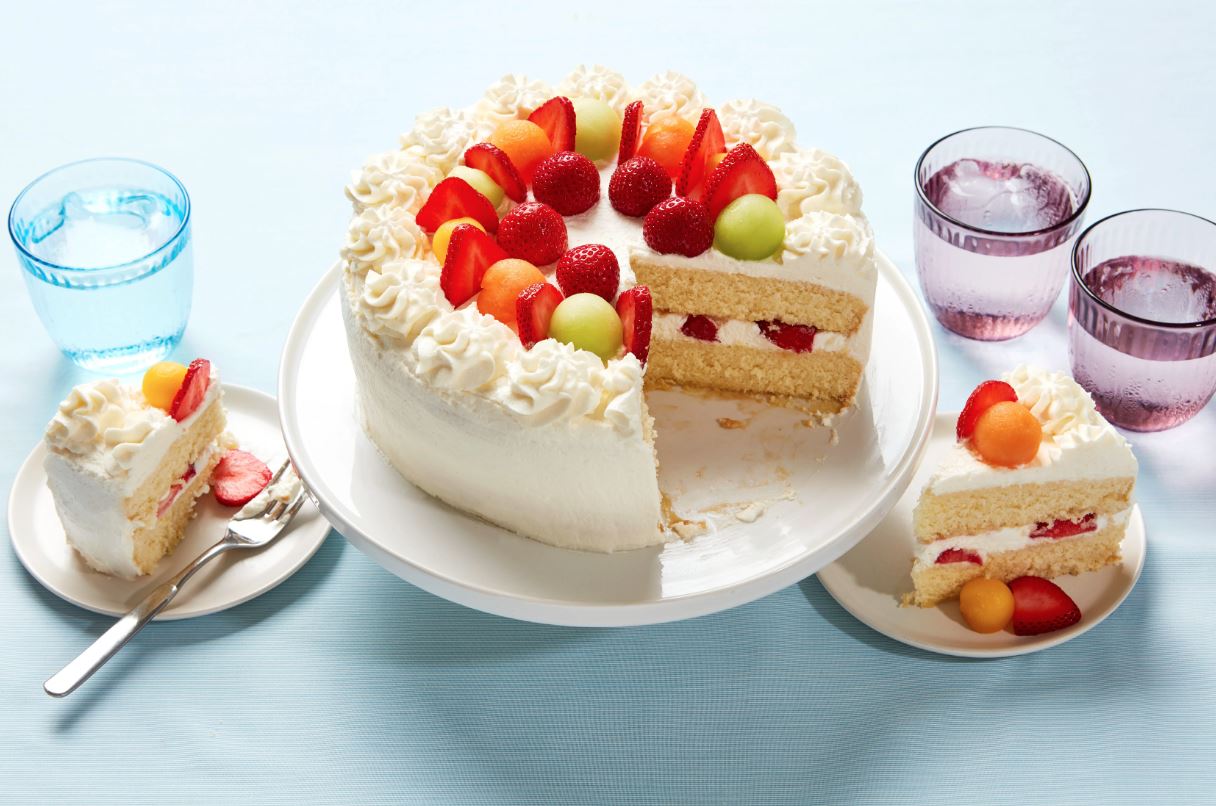
A meditation on whipped cream as structure memory and feeling in dessert
The First Stir of Softness
Whipped cream begins as quiet liquid that hides a thousand possibilities, yet once the whisk touches the surface the mixture learns a rhythm and keeps it, each sweep folding air into fat until the bowl holds something both buoyant and tender. The change feels small at first, only a hint of thickness across the sides, then the texture gathers confidence and takes shape, and with that shape comes a mood that invites calm. People sense it without thinking, the way a cloud shape diffuses sharp corners from a tart or a cup of cocoa, and the room grows a little gentler as the cream rises.
This moment always carries a hush, because a cook listens with the wrist as much as with the ear. The wire loops move, bubbles form, and a new landscape appears that did not exist a minute before. In the curve of the peaks there is a promise of comfort, which explains why a spoonful can feel like a small refuge during a noisy day.
Milk Fat As A Keeper Of Stories
Cream contains globules of fat wrapped in delicate membranes, and when agitation begins those coats thin and expose sticky patches that link arms and hold air, so the foam stands without collapsing. This network stores flavor as well as shape, because many aromatic compounds prefer fat over water, which is why vanilla, citrus oils, and roasted notes bloom more fully when carried by cream. With each gentle turn, the structure traps fragrance and invites it to linger, and the palate reads that persistence as warmth.
The percentage of fat decides how the story unfolds. A richer cream lifts quickly and feels lush, a lighter one asks for more time and delivers a slimmer profile that suits fruit and chilled puddings. The choice becomes a matter of narrative rather than rule, with one path speaking in velvet and the other in lace.
Air Gathered Into Peaks
Air alone has no flavor, yet in whipped cream it becomes a tool for emotion. Small bubbles create a fine texture that melts almost at the instant of contact, while larger bubbles give playful loft and a faint crackle at the spoon. The size depends on speed, tool, and patience, and the result shapes perception before sweetness arrives. An airy crown sits lightly on berries and keeps each bite bright, a denser mound leans toward indulgence and invites slow savoring. The maker chooses the atmosphere within the cloud, and the cloud then decides the feeling at the table.
There is a threshold where peaks stand and a further line where grain and butter begin, and that narrow interval teaches restraint. Stopping just shy of stiffness preserves shine and glide, which keeps a conversation between cream and fruit alive rather than heavy.
Temperature Sets The Mood
Cold slows motion in the bowl and gives the fat more time to catch air, which is why a chilled whisk and a frosted vessel feel like allies. Warmth softens membranes too soon and the mixture refuses to hold shape, so the texture stays slack and the finish feels flat. The message for anyone who seeks grace is simple, keep everything cool, then work with purpose. When the cream strikes that balance, it tastes clearer, the vanilla speaks softly yet distinctly, and each spoon returns to the bowl without guilt.
Season also matters. In summer, cream rests over ice for steadiness and small peaks remain glossy despite heat from nearby ovens. In winter, a room with still air helps the foam set with precision, which makes piping patterns crisp and edges clean.
Sweetness As Accent Not Burden
Sugar does more than sweeten, it binds water and strengthens the network so the foam lasts longer, and it polishes flavor by rounding any bitter edges from cocoa or coffee. The timing of addition changes outcome, early mixing encourages a tighter structure and slower melt, late mixing keeps the mouthfeel billowy and allows fruit to shine through. Both paths can be beautiful, so preference rules. A touch of salt brightens everything, it sharpens strawberry and rescues chocolate from heaviness, and the hint itself should remain a whisper rather than a headline.
If perfumed sweeteners are chosen, like honey or maple, their character will guide the entire dessert, which can be perfect when a maker wants the cream to tell a distinct story. In that case, other elements on the plate step back and listen.
Tools That Shape The Cloud
A balloon whisk lifts with grace and invites intimacy, a stand mixer provides stamina for large gatherings, and a siphon charges the cream with gas that yields restaurant smoothness with little effort. Each tool writes a slightly different texture into the foam. The hand whisk produces micro adjustments that respond to a change in scent or sound, a mixer creates consistency for layered cakes, and a siphon gives instant satin that shines on plated desserts. None is superior to another, they simply speak in varied voices, so the choice becomes an artistic decision bound to context and mood.
Bowls matter as much as beaters. Metal chills quickly and holds temperature, glass tells the story of thickening with visible trails along the walls, and ceramic offers steady coolness for careful work. The right vessel feels like a stage where the cloud can learn its lines and deliver them clearly.
Plant Based Paths To Softness
Some diners seek options without dairy, and modern kitchens answer with creams built from coconut, oat, soy, or nut bases that mimic the carrying power of milk fat. Coconut brings natural body, oat offers gentle sweetness and a neutral canvas, soy builds dependable foam that pipes well, and cashew blends turn silken with a little oil to stabilize the emulsion. Technique adapts to each base. Chilling becomes even more important, and small amounts of starch or aquafaba can lift structure while keeping the finish light.
Flavor pairing follows the base. Coconut loves pineapple and lime, oat enjoys berries and chocolate, soy welcomes coffee and caramel, and cashew sings with stone fruit. With care, these creams achieve tenderness without compromise, and they welcome more guests to the table without drawing attention to the substitution.
Acid And Spirits For Bright Edges
A breath of acidity wakes cream with surprising clarity. A few drops of lemon soften sweetness and make fruit taste sharper, and a touch of cultured dairy like crème fraîche, yogurt, or buttermilk turns the cloud into silk with a tang that carries through the finish. Spirits have their place too, not as distraction but as quiet underline. A spoon of rum, a splash of amaretto, or a mist of orange liqueur settles gently into the fat and releases perfume as warmth from the tongue rises. The result feels composed rather than loud, and guests often notice the harmony without naming it.
Herbs and teas can join this chorus. A short cold infusion with mint, basil, or chamomile puts garden notes in the cream, and a longer rest with Earl Grey gives citrus and floral hints that pair beautifully with chocolate tarts.
Stability Without Weight
When a dessert must travel, or when service spans hours, stability matters as much as texture. Small additions create strength while keeping lightness intact. A spoon of mascarpone or cream cheese merges with the foam and lends structure without stiffness, a pinch of gelatin dissolved in warm cream and cooled before whipping grants the cloud a memory that survives the evening, and commercial stabilizers tuned for pastry perform the same task with precision. Success means the spoon leaves a clean trough that holds shape, yet the bite still melts and disappears without residue.
Chilling the finished cream after shaping also helps. The cold encourages the fat network to set more fully, which improves both definition and mouthfeel at the same time.
Texture As Emotion
People rarely describe darkness or grief with crisp foods, they reach for soft textures that wrap around edges and soothe. Whipped cream carries this role with astonishing reliability. A small dollop on warm pie offers contrast that feels like kindness, a rosette on cocoa tells a cold afternoon that it can soften, a quenelle beside berries frames freshness with comfort. The body reads plush textures as safety because they demand no chewing force and they welcome the tongue without resistance. In that acceptance, memory builds, linking sweetness with relief and turning the simplest cream into a gesture of care.
At celebrations, the same softness plays another part by lifting joy. The cloud invites laughter to linger, it slows the moment so conversation can take root, and it makes a second slice feel like a shared secret rather than excess.
Sound Scent And The First Spoon
Before flavor arrives, senses gather hints. The whisk makes a soft rustle that signals nearing peaks, the aroma of cream mingles with vanilla and a trace of dairy sweetness, and the eyes follow the trail the whisk leaves behind. The first spoon meets a surface that trembles slightly and then yields, and the tongue registers tiny bubbles bursting as they give up aroma. This sequence matters. It turns eating into a small ceremony that calms the mind and opens attention to the rest of the plate. A thoughtful cook designs that ceremony on purpose by pacing, by serving immediately, and by placing the cream where scent can rise freely.
Even the shape of the spoon matters. A shallow bowl picks up more surface area and allows the foam to spread, which increases aroma delivery. Small choices like this add up to a feeling of completeness that guests remember.
Pairing With Fruit Pastry And Chocolate
Fruit welcomes cream because water rich ingredients need fat to carry aroma across the palate. Strawberries brighten, plums feel deeper, and citrus relaxes its sharpness. With pastry, cream behaves like mortar between layers, it softens crisp edges and focuses the flavor of butter while keeping the bite light. Chocolate benefits from contrast, since its richness can mute detail without a partner. A cloud beside a dark slice lifts cocoa notes and reveals subtle floral tones that might have remained hidden.
Spice also enjoys company here. Cinnamon and cardamom sit happily within sweetened cream on coffee cakes, while ginger and black pepper find balance against cold foam over roasted pears. The texture does not fight these voices, it introduces them gently and lets them speak clearly.
Design Language Of Swirls And Peaks
Decoration teaches geometry through touch. A star tip sets sharp ridges that catch light and hold syrup droplets, a round tip creates smooth beads that look modern and calm, and a petal tip draws ribbons that read as movement. Piping turns texture into architecture without adding weight. The best designs consider proportion, so a large tart carries broad strokes while small choux need delicate lines. Balance matters more than complexity, because the eye prefers order when the ingredient itself is soft.
Glazes and powders work as companions. A light dusting of cocoa or powdered sugar emphasizes relief, and a thin ribbon of caramel draped over peaks adds shine without burdening the cloud beneath.
Serving Windows And The Arc Of Collapse
Whipped cream lives within time. Immediately after mixing, the foam shines and scents fly high. Over minutes, water creeps from the network and pools as small beads, and the texture softens toward slouch. Planning meets this reality with timing and temperature. Build the foam close to service, keep the bowl cold, and if needed, choose modest stabilizers that lend endurance without changing personality. When a dessert must sit on a buffet, pipe onto chilled plates, which slows migration and preserves shape.
This arc can become part of the show. A spoon quenelle set on warm pie should relax slightly and flow into the crust, which creates a sauce that feels inevitable and beautiful.
Troubleshooting From Grain To Weep
If the cream turns grainy and begins to clump, the fat network has tightened beyond the sweet spot. A small pour of unwhipped cream and a brief whisk often restores gloss. If the cream refuses to rise, the bowl may be warm or the fat content too low, so chill and try again with a richer base. Weeping suggests excess liquid or sugar added too late without full dissolution, so sift sugar and add during the early stage next time, or blend a small spoon of mascarpone to secure the structure. When flavor feels flat, a pinch of salt and a hint of acid transform the profile without extra sweetness.
Keep notes. The path that succeeded in winter might need a slight shift in summer, and the cream will reward this attention with reliability that feels like trust.
Sourcing With Care And Context
Cream reflects the pasture as wine reflects the vineyard. Grass fed herds yield milk with fuller aroma and a buttery glow, while grain heavy diets can shift flavor toward neutral. Small producers often publish fat percentages and seasonal changes, which helps a pastry cook choose with intention. Ethical choices matter here as well, since a generous dessert tastes better when its story honors the people and animals involved. For plant based options, suppliers who press oils gently and avoid heavy flavoring give a cleaner canvas for spices and fruit.
Vanilla deserves the same attention. Real extract or scraped beans deliver warmth and nuance that imitation versions cannot match, and a dessert built on softness benefits from that depth.
Memory As Ingredient
Many of us first met whipped cream in moments that felt safe, perhaps on a birthday slice or a weekend waffle, and that memory returns with each new spoon. Texture becomes a bridge between time and taste. The soft resistance, the cool melt, the round sweetness, all of it signals kindness and celebration. A cook can lean into this by pairing the cream with simple flavors that echo those early scenes, or they can craft new associations by weaving in herbs, teas, and fruits that feel current. Either way, the cloud carries memory like a secret folded inside.
When shared, that memory grows. A bowl passed around a table turns into a small ritual, spoon marks across the surface show hands that trusted one another, and the last swirl becomes a souvenir of a night well spent.
Health Balance And Pleasure Without Guilt
Portion turns luxury into balance. A modest dollop offers perceived richness far beyond its size because the foam holds so much air, so the palate experiences fullness while the plate remains light. Pairing with fresh fruit increases water content on the plate and resets the mouth after sweetness, which keeps the finish clean. For guests who seek less sugar, a barely sweetened cream with citrus zest feels bright and satisfying, and the absence of heavy sweetness lets the dessert end with clarity rather than weight.
Choice remains the heart of hospitality. One platter can hold a classic sweet version, another can present a tangy and lightly sweetened option, and everyone feels seen.
A Soft Peak That Speaks
In the end a spoon lifted from a bowl of whipped cream carries more than foam, it carries attention made edible. The light body tells the tongue that someone waited for the right chill, the right rhythm, the right moment to stop, and that care turns a simple topping into a gentle message. When the cloud melts it leaves fragrance and contentment behind, and the plate looks calmer than it did before. This is why the smallest scoop can complete a dessert and why a quiet swirl can steady a room. Whipped cream, when made with patience and intention, becomes a voice that says stay a while, all is well, have another bite and let the day soften.