

Amber Edges in the Sweet Lab
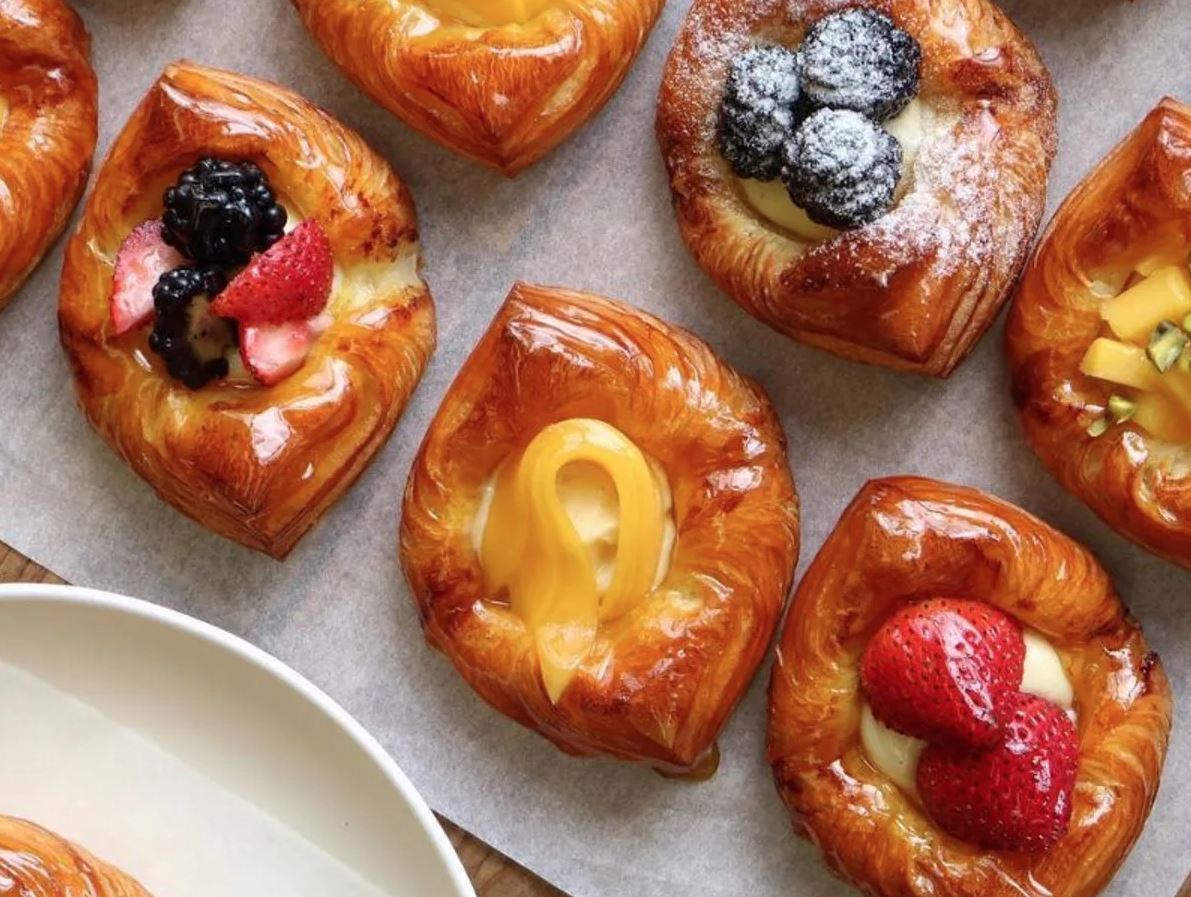
A curious tour of browning reactions that shape flavor color and crunch
What Browning Really Means
Golden crusts are not only decoration, they are the outcome of complex reactions that change texture, deepen aroma, and create the gentle bitterness that keeps sweetness honest, and when a surface turns amber it signals that water has fled, proteins and sugars have met, and new molecules are rising as perfume from the pan or the oven.
Two Roads to Gold
Kitchen browning follows two main paths, caramelization and the Maillard reaction, caramelization involves sugars that break and rearrange under heat to form toffee like notes and glassy shine, while Maillard chemistry asks for both reducing sugars and amino acids from proteins and produces nutty and roasted tones with a more complex color that leans toward bronze.
Heat Thresholds and Patience
Caramelization gathers speed once surfaces cross into the range that dries them and focuses heat, many bakers find clear changes between one hundred fifty and two hundred degrees Celsius depending on the formula and moisture, Maillard steps can begin at lower temperatures when proteins and reducing sugars are present especially when pH and dryness favor the dance, patience matters because a minute too soon means blond and thin flavor while a minute too long means bitter and harsh.
Water as Gatekeeper
Until surface water boils away the temperature stubbornly hugs the boiling point, no deep browning can start while the surface stays wet, once evaporation opens the door heat climbs quickly and chemistry runs fast, this is why vents slashes fans and preheated stones matter for breads and pastries because they accelerate drying and allow color to build before the interior overcooks.
Proteins That Paint with Sugar
Amino acids in milk eggs and flour proteins join with reducing sugars to form flavor rich compounds called melanoidins, lysine and proline are frequent partners and their reactions spill many aroma molecules that suggest toast nuts and warm cocoa, formulas with dairy solids or egg wash brown faster because they carry both the paint and the brush to the party.
pH as Steering Wheel
A slightly alkaline surface speeds Maillard steps and encourages deeper color, a light brush of a weak baking soda solution on pretzels or bagels yields bold brown and crisp bite, acids pull the other way and keep color pale while preserving fruit tone which is welcome in tarts and lemon cakes, thoughtful cooks adjust pH to match the story they want the crust to tell.
Sugar Choices and Their Voices
Different sugars travel different roads under heat, fructose caramelizes sooner than sucrose and brings faster color with a fruit like lift, glucose and invert syrups reduce crystallization and soften set while also encouraging early browning, lactose from milk solids adds milky warmth but can burn if pushed, white granulated sugar gives clean glassy caramel and a pure amber line that supports many desserts.
Fats and the Quiet Shimmer
Fat does not brown in the same way as sugars or proteins yet it carries heat evenly and helps surfaces dehydrate, butter adds milk solids that brown along with the dough which is why butter rich pastries color beautifully, clarified butter removes water and solids so it resists burning and gives a clean nut aroma, oils with high smoke points allow higher searing which locks moisture inside while the outside turns golden.
Starch Dextrins and Snap
As heat moves through flour based items starch granules swell then burst and their chains break into dextrins that crisp and take on a gentle toast note, this transition adds the fragile snap to a cookie edge and the fragile flake to a puff, sugars compete for water and speed this process which is why cookie doughs with more sugar often show faster browning and a glassy rim.
Milk Solids and Lactose Boosters
Milk powder brings both protein and sugar in a concentrated form which supercharges Maillard color in buns cookies and pie shells, a spoon or two in a dough or an egg wash raises shine and fragrance, sweetened condensed milk behaves similarly but adds water so timing and temperature must shift to avoid scorching.
Egg Wash Strategies
Whole egg wash produces strong color and a smooth gloss because proteins and lipids coat the surface, yolk only gives richer gold and a slightly thicker film, whites alone give crisp shine with lighter tone, a pinch of salt breaks proteins for easy brushing and a spoon of cream or milk adds lactose for extra color, sprinkle sugar on top and you add a final caramel veil that perfumes the room.
Steam and the First Minutes
Steam at the start of baking delays crust set and allows maximum rise which produces larger surface area and a thinner shell that later dries crisp and brown, professional ovens inject steam while home bakers can trap moisture with a covered pot or add a hot pan of water, once expansion peaks vent the oven or remove the lid so the surface dries and the golden wave rolls across the loaf.
Pan Color and Material
Dark metal absorbs and radiates heat more aggressively than light shiny pans which speeds browning on the bottom and edges, glass holds heat but warms slower while stone and steel deliver powerful contact heat that jumps color quickly, choose pans to match your goal crisp shells for rustic tarts benefit from dark or stone while pale butter cookies prefer light sheets and gentle air.
Convection Fans and Airflow
Moving air strips moisture from surfaces and evens heat which favors steady color, reduce set temperature slightly when using a fan to avoid overshooting the sweet spot, rotate trays if your oven has hot corners and leave space between pans so currents can travel, crowding traps steam and leads to pale products with a rubbery bite.
Glazes Syrups and Post Bake Polish
Thin syrups brushed hot onto hot pastry fuse into a shiny amber skin that tastes of fruit or vanilla while adding a moisture barrier, maple or honey glazes brown faster because they contain invert sugars and trace minerals that carry flavor, restraint matters because too much syrup softens crisp layers and hides the fine grain of the crust beneath.
Spice Aromatics and Browning Companions
Spices bloom in warm fat and ride the browning wave to the nose, cinnamon clove and cardamom contribute their own reactive compounds that mingle with caramel notes, citrus zest offers oil that brightens the darker tones of melanoidins, add these near the start for baked goods and near the end for caramel sauces so their top notes survive.
Caramel Sauces Without Fear
Dry caramel begins with sugar alone heated until pools form and turn clear gold then deeper copper, wet caramel adds water and cooks more evenly but takes longer, either way once color arrives the line between perfect and burnt is thin so remove heat early and quench with warm cream butter or fruit juice, add salt to focus sweetness and a drop of acid like lemon to keep crystals from returning.
Fruit Sugars and Roasted Gold
Roasting fruit concentrates natural sugars and invites light caramelization on edges while Maillard reactions appear when fruit sits atop dairy or nut crumbs, peaches pears and pineapple show dramatic color in a hot oven when spread with a little sugar or honey to jump start the glaze, a pinch of salt and a brush of citrus sharpen the finish so the sweetness feels clear.
Cocoa Chocolate and the Darker Map
Cocoa solids already carry deep roasted notes from fermentation and roasting so browning in chocolate batters is more about developing structure and setting gloss than building color, avoid scorching by moderating oven heat and by using sugars that melt easily, for brittles and toffees with cocoa nibs toast the nibs gently first then fold into hot syrup to protect their floral tones.
Timing Windows and Carryover
Crusts keep cooking after they leave the oven because stored heat in pans and in the product drives off a little more water and continues reactions, pull items at a color that is slightly lighter than your goal if carryover is strong for example with dark pans or thick slabs, rack cooling preserves crispness while leaving items on hot sheets softens the underside and dulls the snap.
Common Pitfalls and Gentle Fixes
Pale crusts often come from low heat too much moisture or too little protein and sugar at the surface, answer with a hotter start better airflow or a richer wash, bitter notes come from sugar pushed past caramel to carbon or from milk solids burnt on the pan, fix with lower heat frequent stirring clean pans and a watchful eye during the final minute when color runs fast.
Formulas that Invite Color
Doughs with a touch of milk powder honey or malt extract bloom with color and aroma because they add both sugars and proteins or enzymes that promote reducing sugars, a little baking soda on the surface of pretzels or cookies raises pH and deepens tone, fats that carry dairy solids like butter or ghee contribute nutty character while neutral oils give crispness without added brown notes.
Reading Color as a Flavor Meter
Light straw predicts gentle sweetness and thin aroma, mid amber promises toffee nut and fresh bread, copper suggests confident bitterness that balances sugar, deep brown leans toward smoke and coffee, learn to stop at the color that suits the dessert you are building and write times temperatures and pans so you can repeat the same shade next time.
Case Study Crackling Bread
A lean loaf with strong gluten and high hydration loves a blistered shell, steam in the first ten minutes expands the ear then a dry fan finish drives Maillard color, an overnight cold proof increases organic acids that bring tang and slow fermentation which read as deeper aroma when brown pigments form, a preheated stone or steel adds bottom color that crackles at the first slice.
Case Study Custard Tart with Burnished Rim
Blind bake a shell on a dark tray for quick color while shielding edges to prevent overcook, add a custard with balanced sugar and milk solids so the top freckles into golden islands, finish with a thin syrup wash scented with citrus and vanilla while the tart is still warm for gentle shine that keeps the crust crisp once cool.
Case Study Sugar for Shatter
For nut brittle cook a wet sugar to a lively amber then stir in warm nuts salt and a tiny pinch of baking soda to create delicate bubbles that lighten the sheet, pour thin on a warm tray and stretch with gloved hands for glass like shards, the soda raises pH and loosens texture while the salt brightens the final caramel tone.
Sensors and Simple Senses
Thermometers and color charts help but the nose and the ear tell the truth, sugar smells grassy before it turns toffee then smoky as it approaches bitter, bubbling slows as water leaves then hushes as syrups thicken, listen and watch and you will learn the moment when gold is secure and flavor is at its peak.
Cultural Traditions and Signature Browns
From the deep lacquer of a Portuguese custard cup to the delicate glaze on a Japanese castella the world shows many shades of sweet brown, some traditions favor high heat for freckled surfaces while others rely on low steady baking and post bake syrups for glow, learning these styles widens the palette for any cook who wants to paint with heat and time.
Cleaning and Care for Next Time
Browned milk solids and sugars cling to pans and leave off flavors if ignored, soak while warm with water to dissolve residues and avoid harsh scrubbing that scars surfaces, season stones and steels with light oil and careful heat so they release cleanly and conduct evenly, good tools reward the next bake with even color and a reliable edge.
A Soft Glow After the Timer
Golden crusts tell a quiet story about water leaving and flavor arriving, about sugar bending into new shapes and proteins finding partners, about heat that was firm yet kind, carry that glow into the next batch with notes and calm attention and each tray will leave the oven a little more confident, a little more fragrant, and exactly as amber as you imagined when the day began.