

Golden Threads Woven by Butter
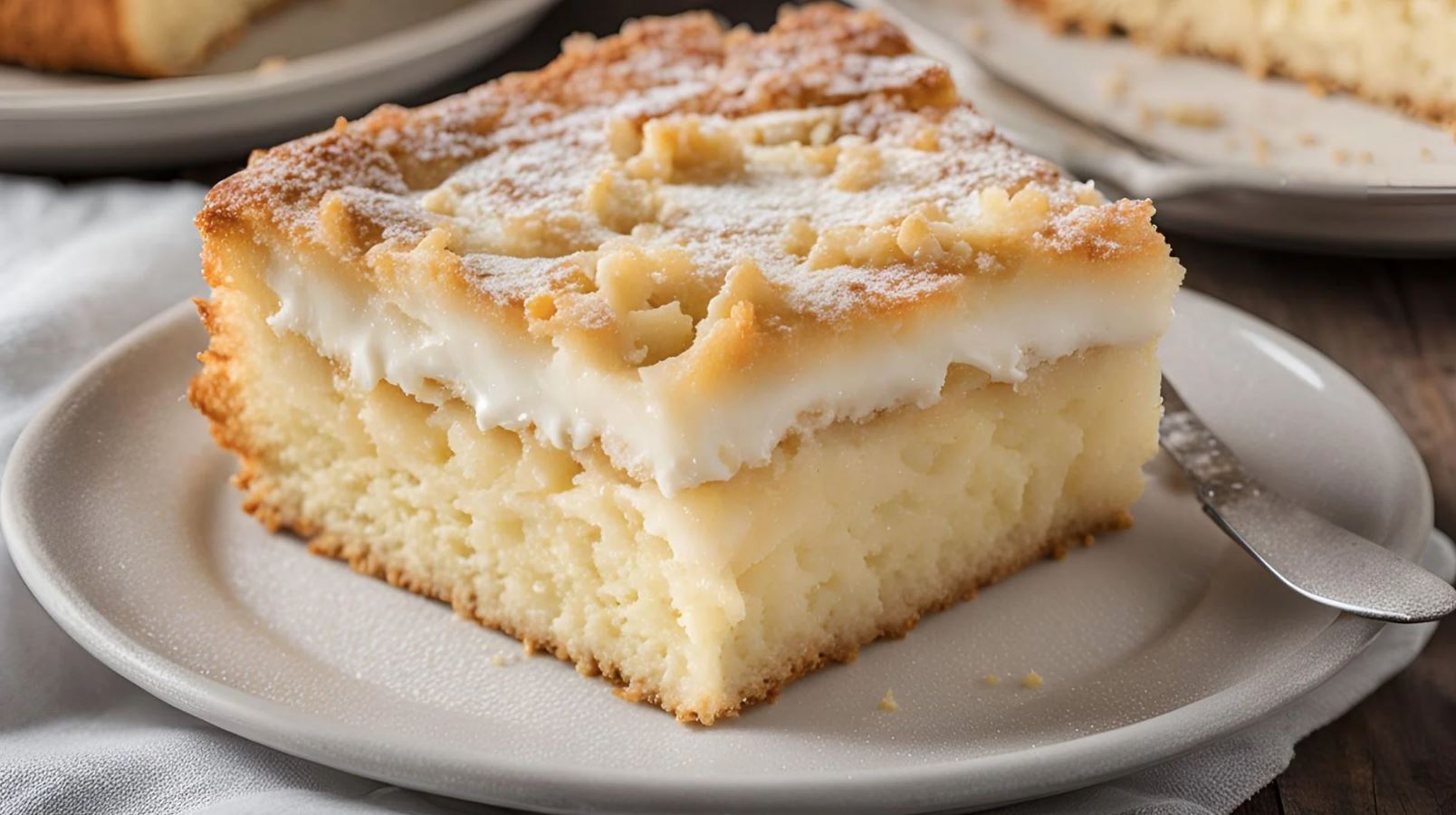
How a humble fat binds structure flavor and emotion inside every flaky bite
The Core of Butter and Why It Matters
Butter is an emulsion of milk fat water and milk solids, and this trio shapes almost every pastry you love. Milk fat provides tenderness and lamination power, water flashes into steam that lifts dough, and milk solids bring browning and aroma once heat arrives. The balance between these parts decides whether a tart shell shatters cleanly or slumps, whether a croissant opens into a honeycomb or becomes breadlike, and whether a cookie finishes with gloss or dullness. Understanding the parts of butter turns mystique into method and gives your hands a clear plan for results that feel inevitable.
Plasticity The Working Window
Butter behaves like clay when its crystal structure sits in a useful state. At cool room temperature the fat crystals hold shape yet still yield to pressure, which allows you to press layers thin without breaking them. Too cold and butter fractures into shards that pierce dough, too warm and it smears and fuses layers that should remain distinct. The workable window often lives between cool and temperate kitchen conditions, and your fingers become thermometers, a butter block that bends at the corners without cracking and does not leave greasy shine on the bench sits in the sweet spot for lamination and shaping.
Water The Hidden Lift
A standard butter carries water that waits until heat sets it free. Inside an oven that trapped water turns to steam and presses against dough from the inside, which expands layers and creates pockets that later dry into flake. European style butters often reach from 82 to 85 percent fat, so they contain less water and more butterfat, which grants richer taste and more controlled steam. Choose higher fat butter for laminated doughs that need clarity of layers and pick standard butter when you want more lift in biscuits or scones where a rustic crumb feels welcome.
Milk Solids Flavor and Color
The tiny fraction of milk solids is small yet powerful. Those proteins and sugars brown into a nutty perfume that anchors cookies tart shells and financiers. When you heat butter past melting the water evaporates and the solids sink and toast, which creates brown butter filled with deep notes of hazelnut and toffee. That liquid gold folds into batters and doughs to add complexity without weight. Because these solids also darken quickly in a hot pan, control heat and stir so the fragrance turns warm and not bitter, then chill before creaming to preserve structure in doughs that rely on air.
Shortness and Gluten Control
Butter coats flour particles and interrupts gluten formation, which produces tenderness that bakers call shortness. In tart doughs and sablés this behavior is the soul of the crumb. Rub butter into flour until it resembles damp sand for a crisp bite that still holds detail, or leave small flat pieces for flakes that lift as the oven heat arrives. A touch of acid from lemon juice or a spoon of powdered sugar helps keep gluten relaxed and promotes clean edges in cutters and molds. The choice of technique becomes the dial that sets the snap of your crust.
Creaming Butter for Lift and Light
When butter meets sugar in a mixer the paddle carves tiny pockets of air into the fat. Those cells expand in the oven and give cakes and cookies their rise and fine crumb. For the best foam start with butter that yields to a fingertip but does not look slick, whip until the color lightens and volume increases, then add eggs slowly so the emulsion stays stable. Over mixing after flour enters the bowl collapses the network you built and toughens the crumb. Stop when streaks just disappear and let the oven complete the story.
Lamination The Architecture of Layers
Butter creates layers because it refuses to mix with dough under controlled pressure and temperature. Enclose a butter slab inside dough, roll long, fold neatly, and rest between turns so gluten relaxes and heat from your hands dissipates. Each turn multiplies the number of leaves, and later the steam inflates them while butterfat fries their surfaces into crisp sheets. If butter breaks because it is too cold, layers rupture and leak, if butter melts because it is too warm, it blends and blocks rise. Success depends on rhythm, pressure, and pauses, and on the patience to keep the block in the pliable zone.
Clarified Butter Ghee and Brown Butter
Clarified butter removes water and milk solids, which raises smoke point and yields clean fat that fries pastries without scorching. Ghee takes the toasting further and delivers a caramel aroma that suits syrup sweets and nutty crusts. Brown butter keeps the solids and pushes them to a hazelnut tone, then it returns to doughs that welcome depth, such as madeleines financiers and chocolate chip cookies. Choose the form that fits the task, clarified for high heat and pure texture, brown for layered aroma, ghee for rich and stable cooking in syrup or sugar work.
Cultured Butter and Salt Choice
Cultured butter begins with cream fermented by friendly bacteria that create lactic tang and aromatic compounds such as diacetyl. That nuance lifts simple doughs with quiet complexity and pairs beautifully with fruit and citrus in laminated pastries. Salted butter tastes great on bread yet can complicate pastry formulas, since salt levels vary. For repeatable baking reach for unsalted butter and season intentionally, then bring salted butter to the table to celebrate the finished crust with flakes of sea salt that sparkle in the light.
Butter as Aroma Carrier
Many flavor molecules prefer fat over water, so butter acts like a ferry that lifts scent from the pan to your nose. Zest, vanilla, spices, and roasted nuts dissolve their aromatic compounds into melted butter, which later spreads those notes evenly throughout a batter or dough. This is why toasting spices in butter for a moment before mixing or warming zest with butter loosens a dessert from the ordinary. Use low heat so delicate aromas remain intact, then cool to the proper working temperature to preserve the structure you need for lift and flake.
Temperature Maps in the Mixer and on the Bench
Pastry success depends on thermal choreography. Keep butter cool when rubbing into flour for pie, keep it soft but not greasy when creaming with sugar, keep it malleable when laminating, and keep it warm and flowing only when brushing phyllo or clarifying for high heat. Measure with touch and thermometer, and use the fridge and the freezer as tools, not crutches. Short rests return butter to the correct state so the next step builds rather than fixes. Precision with temperature turns hard work into predictable pleasure.
Butter and Browning on the Surface
Brushing butter on dough before baking accelerates color because milk solids brown quickly. Combined with a light sprinkle of sugar this creates a lacquer that breaks into sweet shards. In enriched breads and puff, butter within the layers provides oil for frying and browning from the inside out. Apply intentionally, since too much on the surface can pool and create uneven patches. For a glassy top on galettes or kouign amann, paint a thin coat then bake on stone or steel so heat from below completes the glaze.
Moisture Migration and Keeping Quality
Butter slows staling because fat interrupts starch crystallization after baking. This trait keeps cakes soft and cookies tender the next day. In layered desserts butter also acts as a barrier that protects crisp elements from wet fillings. Brush melted butter or cocoa butter on baked layers that will meet cream or fruit, then cool until set before assembly. The thin film buys time and preserves contrast so the first bite snaps and then melts, which is the texture arc that makes pastry feel luxurious.
Butter in Choux and Steam Engines
Choux paste rises without chemical leaveners because steam does the heavy lifting. Butter supplies flavor and a small portion of water, and it also helps create a film on the pan that allows the paste to spread and set evenly. Bring butter water and salt to a full boil so butter disperses completely, then add flour and cook until the paste leaves a thin layer on the pan. This step gelatinizes starch and readies the dough to hold the many eggs that follow. The oven then expands the entrapped moisture into a hollow shell ready for cream.
Buttercreams and Emulsion Logic
From simple butter and sugar frostings to silky meringue based finishes, butter acts as the continuous phase that holds water and sugar in a smooth matrix. The goal is a cool and glossy emulsion that spreads without tearing crumbs yet firms on the cake to protect edges. If it looks broken, temperature is usually the cause. Warm a little if it seems curdled and cold, cool briefly if it looks shiny and slack, then whip gently to restore small droplets. Emulsion awareness replaces panic with small deliberate steps that return shine.
Pairing Butter with Grain and Fruit
Butter loves grains because it accentuates toasty flavors and softens edges. Buckwheat tastes rounder, rye becomes less stern, and corn flour glows when butter is present. Fruit also benefits, since butter carries volatile aromas that might otherwise fade. Strawberry tarts shine under a thin butter enriched glaze, apples roast sweeter when cooked in brown butter, and citrus curds feel complete when finished with a few cold cubes that bring silk without extra sugar. The pairing rule is simple, use just enough to lift the star, not so much that the plate turns heavy.
Tools and Setup for Butter Success
Use a rolling pin that feels balanced, a bench scraper for clean folds, and a thermometer to confirm the butter window before each turn. For lamination, shape butter into a rectangle that matches the dough dimensions so corners align and layers stay even. Wrap dough well so the fridge does not draw moisture from exposed edges. For creaming keep a rubber spatula near the mixer and scrape the bowl so pockets of unmixed butter do not hide in the corners. Small tools and small habits collect into large improvements you can taste.
Climate Strategies Warm and Cold Rooms
In warm kitchens butter softens fast and dough turns sticky, so chill flour and bowls, shorten work sessions, and rest dough more often. In cold kitchens butter fractures, so tap the block with the rolling pin to make it pliable before enclosing, and let dough sit a moment while you prepare the bench. Match your pace to the room rather than forcing the dough to obey. Butter tells you when to move and when to pause if you listen through your fingertips.
Troubleshooting Through Butter
Greasy bottoms on pies signal butter melt before structure set, which points to dough too warm or an oven not fully preheated. Pale pastry hints at insufficient milk solids on the surface, so brush a little butter or egg wash next time. Leaking lamination reveals cracks in butter from rough handling or uneven temperature, fix by resting longer and reducing pressure on the first passes. Dense cookies with spread suggest butter too warm during creaming or sugar not dissolved into a proper foam, so begin cooler and cream longer until lighter in color.
Case Study Crisp Galette with Brown Butter Apples
Make a dough with cold butter cut into flat shards, keep water minimal and add a spoon of vinegar for tenderness, rest well and roll between sheets for clean edges. Slice apples and toss with a small pool of brown butter plus sugar and salt, then pile onto the dough and fold edges. The butter in the crust creates flakes while the butter in the filling paints fruit with nutty perfume. Bake on steel so the base sets and caramelizes, then brush with a thin apricot glaze for shine.
Case Study Croissant Layers That Sing
Mix a lean dough and chill, lock in a butter block that bends without breaking, complete your turns with rests so heat leaves the system, and roll to even thickness. Cut with a sharp blade so edges do not seal, proof until light and jiggly, then bake with steam and a strong initial heat. Butter supplies both the steam for lift and the fat for frying, so every bite crackles and then dissolves into aroma that lingers.
Case Study Brown Butter Chocolate Cookie
Brown the butter until the milk solids turn chestnut and the scent rises, cool until thick like soft pudding, then cream with sugar until pale. Add eggs slowly, fold in flour until just combined, and rest the dough to hydrate. The cookie bakes with a caramel rim and a chewy center, the brown butter turns simple chocolate into something layered, and the butterfat keeps the crumb tender the next day.
The Binding Spirit
Butter gathers flour sugar fruit and air into a single voice that tastes like care. It softens where sharpness would distract, it lifts where weight would press, and it carries perfume from oven to table with grace. Learn its temperatures, respect its moods, and it will hold your pastry together in ways that feel both technical and tender. In that partnership every crust sounds crisp, every crumb stays plush, and every slice tells a story that begins with butter and ends with a smile.