

Echoes of Sweet Heritage
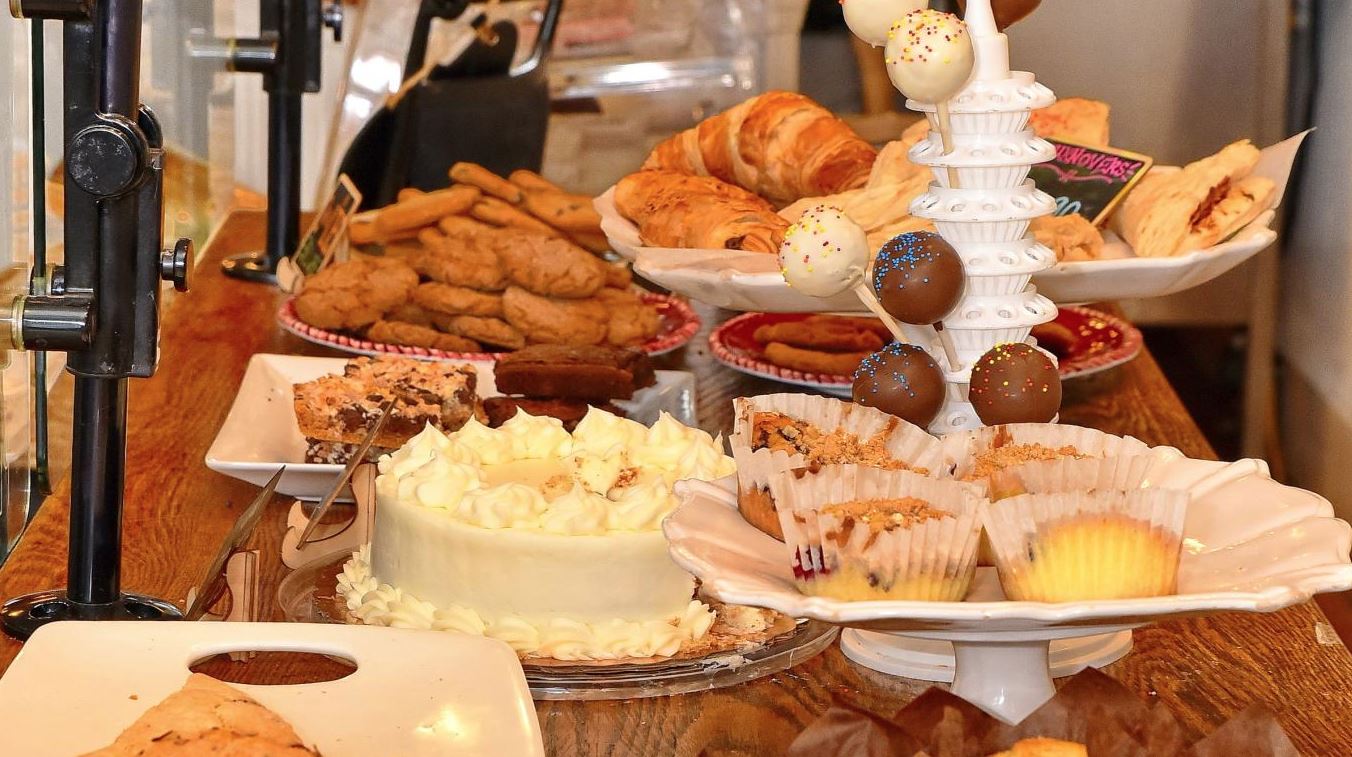
Renewing ancient confections with fresh technique ethics and flavor
Why the past still leads the plate
Old recipes carry maps of climate trade and celebration, they show what people valued when sugar was rare and fire was a luxury, and by reading those maps we discover flavors that feel both new and familiar, then we can adjust texture sweetness and presentation for modern appetites without losing the quiet wisdom inside the originals.
Looking back invites balance, ancient sweets prized fragrance and gentle sweetness over excess, they favored nuts grains seeds and honey that nourish as they please, and when we reimagine them today we keep that clarity while using precise temperature control clean sourcing and careful plating that honors the story as much as the taste.
Dates sesame and barley find new roles
In river valleys where palms thrived cooks pressed dates into rich pastes and mixed them with ground barley for festival cakes, the profile tasted deep fruity and slightly malty, a combination that still charms the palate, so a modern take can bake a thin barley sablé, glaze it with warm date syrup brightened by lemon, and crown it with a light cultured cream to lift the dense fruit into a floating texture.
Sesame with honey appeared across shores of the Mediterranean in bars that traveled well, to refresh that idea for a plated dessert toast white and black seeds until fragrant, bind with a honey syrup finished with olive oil and a pinch of salt, roll thin for snap, and pair with yogurt sorbet and charred orange segments so bitterness acidity and sweetness speak in balance.
Milk and honey through a sharper lens
Milk and honey formed a simple luxury in many early kitchens, today we can refine that comfort with technique that protects delicate flavors, start with cultured dairy for gentle tang, stabilize lightly with gelatin so the set trembles rather than stands, and pour a cool pool of honey infused with bay leaf or saffron just before service so perfume remains bright instead of cooked.
For guests who avoid dairy we can steep almonds in warm water then blend and strain for a creamy base, sweeten with date nectar rather than refined sugar, and finish with a thread of citrus oil to keep the finish clean, the result tastes ancient in spirit and modern in texture.
Roman cottage cheese cake becomes feather light
An early Roman offering combined fresh curd with grain and honey, the profile reads like the parent of cheesecake, to modernize we whip ricotta with a little mascarpone for silk, fold in beaten eggs for lift, sweeten modestly with chestnut honey, and bake low until barely set, serve with roasted grapes on the stem and a spoon of grape must reduction so fruit and dairy share the spotlight without overwhelming sweetness.
Laurel once perfumed ceremonial breads, slip a single fresh leaf under each warm slice for a minute then remove, the aroma clings lightly and echoes the past while keeping the bite free of bitterness.
Persian threads of frost find new sparkle
Early frozen treats from Persian courts used snow or ice with syrup and perfume, the tradition survives in delights like faloodeh with rose and lime, for a clean modern version churn a fine ice of vermicelli thin rice noodles with rose water and citrus, add a scatter of basil seeds that swell into velvet pearls, and finish with a squeeze of fresh lime at the table so fragrance rises as the first spoon lifts.
If service calls for dairy, fold a ribbon of lightly whipped cream through the ice at the last second to soften texture and catch the aromatics, restraint keeps the dish balanced and faithful to its roots.
Indian kheer taught us patience now it teaches clarity
Slow cooked rice with milk cardamom and saffron built a dessert that comforted across seasons, to reimagine we capture the same soul with a lighter hand, simmer short grain rice in a mix of milk and water until grains bloom but do not collapse, sweeten with jaggery for mineral depth, and fold in steamed milk foam for air, the bowl tastes like memory yet leaves the palate clear.
For a dairy free path steep cashews then blend with water to yield a creamy base, finish with green cardamom and a peppery pinch of saffron, and top with toasted pistachio and a few drops of rose to keep the perfume lively.
Chinese sweet dumplings meet ginger and light
Glutinous rice dumplings with sesame filling float in ginger syrup during winter festivals, the texture is tender and soothing, to bring this into a light tasting menu shape smaller dumplings with black sesame and a touch of cocoa nib for a faint roasted echo, simmer them in clear ginger tea sweetened just enough to round the spice, and add a small quenelle of pear sorbet beside the bowl so steam and cold trade notes in each spoonful.
For contrast scatter a few toasted rice pearls over the sorbet, the tiny crunch keeps the conversation between soft and crisp alive to the last bite.
Tiger nut cakes return as silky crema
In old Nile communities cooks milled tiger nuts with honey and fat into celebratory cakes, their nutty sweetness fits modern tastes, to update we blend soaked tiger nuts with water for a milk that carries almond and cereal tones, cook gently with a little sugar and citrus zest until it coats the spoon, set lightly for a spoonable crema, and finish with dates roasted in butter and salt so the top note reads bright while the base stays earthy.
A dusting of coriander seed toasted and ground fine adds a quiet lemon spice that ties the elements together without stealing attention.
Spiced cacao from the Americas becomes a cool cloud
A ceremonial drink of cacao water and maize foam was whipped until airy and enjoyed unsweetened or lightly sweetened with honey, a modern dessert can honor that lineage by making a chilled cacao water with a small percentage of roasted corn infusion, sweeten gently with panela, aerate with a high speed blender until microbubbles appear, and pour over ice with a rim of ground chile and vanilla salt, the sip lands dry then blooms into cocoa and spice.
Serve alongside a crisp wafer made from fine corn flour and cocoa to recall the mingling of grain and cacao in a way that feels current on a tasting menu.
Baklava lightens without losing its song
Layered pastry with nuts and syrup traveled across empires and still commands love, to refresh for modern palates we can reduce syrup to a thinner sheen scented with citrus peel and orange flower, grind pistachios just shy of fine so texture remains lively, and bake in smaller diamonds that keep the ratio of crisp to sweet in balance, then finish with a whisper of olive oil while still warm to add gloss and a green note that brightens the richness.
For service by the slice pair with a spoon of thick cultured yogurt and a spoon of sour cherry compote, the tang holds the line against syrup while color draws the eye.
Pasteli and nougat speak to athletes and artists
Sesame bars with honey fueled travel and labor, their simplicity suits current interest in clean ingredient snacks, to plate for a fine dining room we set a rectangle of warm sesame brittle across a pool of citrus curd, add a line of fresh herbs like mint and fennel frond for breath, and place three tiny mounds of whipped tahini cream along the arc so each bite shifts from crisp to plush to fragrant.
Nougat traces to ancient nut and honey confections too, ours can lower sweetness by using a honey that tastes bold like chestnut or buckwheat, then fold in toasted seeds and shards of dried fig for complexity, and serve with a shot of strong tea so warmth softens the chew in the mouth rather than on the stove.
Fermented grains as gentle sweeteners
Before refined sugar became common many kitchens used sprouted grain syrups and grape must for sweetness and structure, these ingredients return with freshness and purpose today, barley malt syrup gives roundness to ice creams and cakes while adding a faint toast, reduced grape must paints fruit with a wine like glow without heavy sugar weight, and both support desserts that taste complete with fewer grams of sweetness.
Use them to balance bitter chocolate or tart berries, the result respects health without sacrificing pleasure because complexity does the work that volume once did.
Clay fire and stone in a precise kitchen
Ancient cooks relied on clay pots stones and embers, modern kitchens can borrow those textures without losing control, bake custards in unglazed cups warmed slowly so heat wraps the mixture, roast fruits on a preheated stone to drive water away fast and concentrate aroma, and use charcoal gently to perfume syrup with a hint of smoke, the technique brings depth that reads handcrafted rather than rustic.
Calibration still matters, measure temperatures inside the vessel not just in the oven air, and allow time for carryover heat so custards set like silk rather than curd.
Allergen aware paths that keep soul intact
Many ancient sweets leaned on nuts seeds and honey which already suit a wide range of diets, for guests who avoid nuts swap in toasted pumpkin seeds or sunflower seeds, for guests who avoid animal products use date nectar and maple in place of honey, and rely on coconut or oat cream for body, the goal is to keep fragrance and texture as the leading experience rather than the substitutions themselves.
For gluten free needs use buckwheat or sorghum in thin crisps and tarts, these grains bring flavor that feels at home beside honey spice and fruit rather than neutral filler.
Acidity herbs and bitters as ancient guides
Cooks long ago balanced sweetness with sour or bitter from wine syrups citrus peel and aromatic leaves, we can lean on that logic by pairing sweet dairy with sharp pomegranate molasses, by finishing nut desserts with a few drops of verjus, or by steeping bay rosemary and hyssop for syrups that read savory then sweet, the palate stays curious and the spoon keeps moving back for clarity as much as for comfort.
Use restraint, a small thread of bitterness or sourness shapes the whole, while excess turns conversation into argument.
Plating that tells a timeline
Modern plating can honor history by arranging elements from oldest to newest along the plate, a crisp of ancient grain at one edge, a middle zone of fruit cooked with honey and herb, and a final flourish of cultured dairy foam or a temperate sorbet, the diner travels through centuries in a few bites without any lecture because texture and scent do the storytelling.
Use ceramics with gentle imperfections and warm light to echo hearth and clay, then add a single reflective accent like clear sugar shard or glossy gel to show the present moment.
Case study one date and barley tart with citrus milk snow
Blind bake a thin barley flour shell until pale gold and crisp, spread a smooth paste of Medjool dates blended with a squeeze of lemon and a pinch of salt, chill until set, at service grate a frozen sheet of milk lightly sweetened and perfumed with orange flower over the tart so snow collects in delicate drifts, the cold melts on the tongue and lifts the dense fruit, finish with toasted sesame and a thread of olive oil for fragrance.
The bite moves from crisp to creamy to bright, each part borrowed from distant kitchens but rebuilt with modern precision.
Case study two saffron rice custard with orchard embers
Cook rice with milk until grains relax, sweeten with a small amount of honey, temper with egg for stability, perfume with saffron and cardamom, and bake low in clay cups set in a water bath, chill and serve with apples or quinces roasted on a hot stone until edges char slightly and centers turn jammy, spoon warm fruit over the cold custard and finish with a scatter of pistachio and a few drops of reduced grape must for shine.
The contrast of temperatures and textures refreshes an ancient comfort while staying gentle on sweetness.
Sourcing that respects the story
When we cook from history we also inherit responsibility to the lands that gave those ingredients, choose honey from keepers who nurture biodiversity, purchase cacao and spices through partners who guarantee fair labor, and highlight grains grown by small farms that preserve heritage varieties, the plate then tastes of place as well as craft.
Menus can name the farms and regions with brevity so the narrative enriches without overwhelming, guests taste the difference and feel invited into a larger conversation.
Beverages that echo the roots
Pair these desserts with drinks that mirror their origins, lightly sweet mead with floral notes beside sesame brittle and yogurt, tea with toasted rice with cacao cloud and corn wafer, or a small glass of chilled saffron water with pistachio and stone fruit, the goal is harmony not volume, a sip that cleans the path for the next bite.
For non alcoholic paths use verjus spritz with herbs or a tart citrus shrub diluted with sparkling water, both refresh the palate and highlight gentle sweetness.
Teaching through tasting
Tasting menus can devote one course to a small trio, each a bite of a different region interpreted with one shared technique, perhaps three custards set at the same temperature but flavored with honey bay and citrus, with sesame brittle linking them like a quiet refrain, the guest learns by sensation rather than lecture.
Workshops can invite diners to grind seeds or whisk syrups for a minute at the table, involvement deepens memory and gives respect to the labor embedded in ancient craft.
Future paths that still look back
Research kitchens now analyze historical texts with modern tools and translate ratios into precise temperatures and water activities, this allows chefs to reduce sugar and increase clarity while keeping the original harmony, soon we may see grape must gels that slice like glass yet dissolve clean, or barley malt meringues that crisp without excess heat, all rooted in ideas once cooked over embers.
Innovation that rises from history tends to age well because it keeps flavor first and fashion second, the desserts feel timeless rather than trendy.
A gentle bridge between hearth and pass
Ancient desserts travel well into the present when we preserve their spirit, modest sweetness, fragrant spice, honest grain, careful milk, and then apply patient technique and mindful sourcing, the result is food that comforts and surprises in the same spoonful, that honors those who cooked before us while welcoming those who taste today.
Each plate becomes a small archive written in almonds dates herbs and heat, and as guests break a brittle or lift a cloud of cream they also cross a bridge built from memory to now, sweet proof that tradition and invention can share the same table with grace.