

A Kinder Kind of Sweet
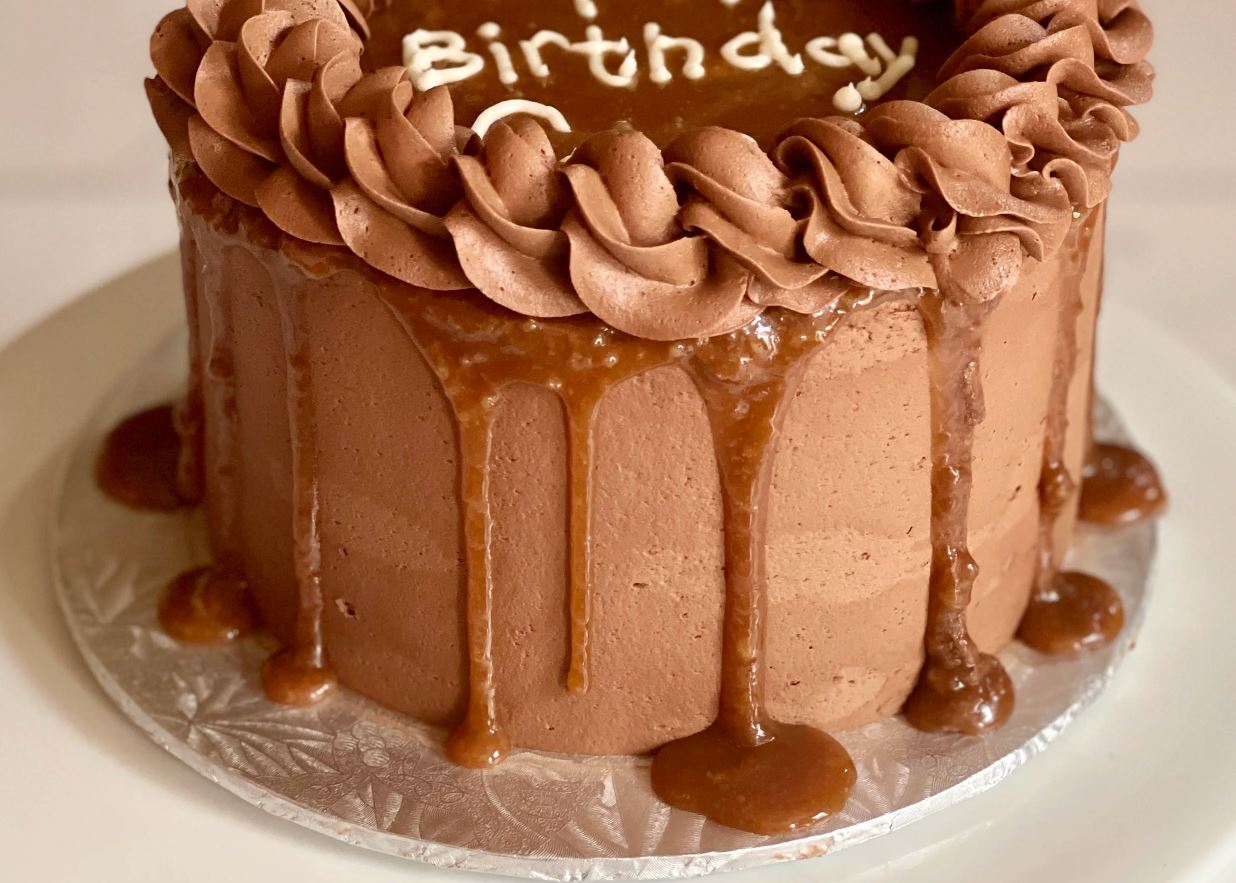
The pleasure that rises from aroma texture balance memory and care
Rethinking what sweet means
Sweetness can be an emotion as much as a taste, it is the moment when comfort and curiosity meet and the mind relaxes because the senses feel safe, once we accept that idea the kitchen opens to many paths where gentle signals add up to joy even when little refined sugar is present.
The craft then becomes a question of proportion and attention, we ask how to invite sweetness rather than force it, and we learn to build it from light fragrance round texture calm color and a finish that leaves the palate clear and ready for another bite.
Aroma as invisible sweetness
Smell reaches the brain faster than taste and often decides how sweet we think a bite will be, vanilla citrus zest toasted spices and flowers travel on fat or alcohol and lift perceived sweetness without extra grams on the scale, the nose fills the story while the tongue only confirms it.
Warm the perfume gently and keep it close to the surface, glaze fruit with a scented tincture just before service or blend a small infusion into a cream, the scent will bloom as the spoon approaches and the mind will register sweetness even before contact.
Temperature pace and melt
Cold slows taste and warm speeds it, a custard served just cool reads fuller and sweeter than the same custard straight from the fridge because aroma and fat open at a friendly temperature, a sorbet tastes brighter if allowed to soften a little so fruit volatiles can rise.
Control of melt also shapes memory, a foam that dissolves on the tongue gives a sense of sweetness through release while a dense gel encourages small bites and patient appreciation, manage tempo and you manage how sweet the experience feels without changing formula.
Acids salts and bitters as allies
Lemon verjus yogurt and sharp fruits keep sweetness honest and give it direction, a pinch of sea salt focuses flavor and steadies dull edges, and a quiet hint of bitter from cacao nib citrus pith or tea stops a dessert from drifting into sameness.
Use these companions as guides not as guards, their role is to support openness and finish, the aim is a balanced chord where sweet sings first and clear notes follow to create length rather than weight.
Fats structure and the soft focus effect
Fat carries aroma and smooths texture which the brain reads as luxury and therefore sweet, a well made cream with moderate sugar can feel indulgent because microstructure cushions the palate and allows perfume to linger, the sensation of ease is often mistaken for extra sugar even when none was added.
Choose the right fat for the job, cultured cream adds quiet tang and depth, nut pastes bring toast and warmth, cocoa butter offers clean melt, each one supports sweetness with its own accent and helps a dessert feel complete at a lower dose of sucrose.
Natural sugars and their voices
Fructose tastes intense at cool temperatures and suits chilled fruit work, glucose offers body and prevents crystals in frozen desserts, lactose is less sweet yet brings milky roundness in dairy, maltose offers cereal comfort and pairs well with chocolate and coffee.
Rather than chase a single stand in for refined sugar, blend small amounts with purpose, layer a fruit reduction for brightness a touch of barley malt for warmth and a little honey for perfume, the sum feels rich while the total sweetness stays measured.
Fruit reductions and cooked fruit clarity
Careful heat turns fruit into its own sweetener, slow roasting pears or apples evaporates water and concentrates natural sugars while creating light caramel notes, the pan juices glaze themselves and need only a few drops of acid to balance.
On the stove a controlled simmer of berries with a splash of verjus yields a syrup of vivid color and lively taste, swirl a spoon into yogurt or panna cotta and the dessert reads sweeter than the numbers suggest because the fruit speaks clearly.
Grains seeds and legumes as quiet sources
Sprouted grains make gentle syrups that taste toasty and kind, sweet rice lends a tender chew that feels generous, chestnut flour brings natural sweetness and perfume of the forest and can replace part of wheat in cakes that aim for depth over punch.
Sesame tahini almond butter and pistachio paste give both body and fragrance, folded into creams or batters they create a sense of sweetness through memory and aroma, a reminder that pleasure can ride on seeds as well as on sugar.
Fermentation and time
Ferments turn starch into simpler sugars and add organic acids that raise contrast, a slow preferment for a tart shell brings nutty notes and a lighter feel, cultured dairy provides a silk that lifts fruit without extra syrup.
Even small ferments matter, a spoon of kefir in a batter or a night of resting for a crepe mix transforms bland to complex, the result feels sweeter because it is more interesting not because it is louder.
Caramelization at a whisper
Brown edges suggest sweetness even when sugar levels are low, toasting milk solids in butter or letting a custard take on a faint tan invites flavors of toffee and bread, the mind associates those notes with sweetness and fills in the rest.
Choose calm browning over deep color for this method, stop when scent shifts from milky to nutty, the goal is to suggest rather than to declare, that suggestion carries far on the palate.
Texture cues that imply sweet
Crunch excites and then yields to softness, this contrast makes the sweet inside feel brighter, a thin brittle over a chilled cream turns a modest sugar level into a vivid experience because the fracture sends aroma and signals celebration.
Velvet foams and delicate gels can do the same work from the other direction, they slow the bite and extend contact, which the mind reads as generosity and therefore as sweetness respected rather than forced.
Portion geometry and bite design
Shape guides expectation, small intense shapes ask for slow pacing which keeps sweetness comfortable, wide shallow shapes promise ease and invite larger bites which can overwhelm, plan forms that match the aim of the recipe.
Design each bite to carry all elements at once, a ribbon of fruit a cushion of dairy a crisp accent and a scent, the harmony in a single spoon reduces the urge to add more sugar to make any single note stand out.
Light and plate tone as partners
Warm plates and gentle illumination make creams and cakes feel rounder and sweeter, cool plates and crisp light make fruit feel brighter and more taut, color and brightness are part of the seasoning because they prime the palate before tasting begins.
Use them ethically to support what is on the plate, not to disguise it, a clear visual message reduces the need to push sweetness as reassurance.
Thoughtful sweeteners and modern tools
Stevia and monk fruit extract offer strong sweetness with little mass yet can bring lingering notes when used alone, allulose caramelizes and freezes like sugar with a calmer impact on blood glucose, inulin adds body and feeds friendly microbes but must be balanced for comfort.
Blend new tools cautiously with classic techniques, start small and taste over time because many modern sweeteners change character during storage and freeze thaw cycles, let patience be the compass rather than novelty.
The satiety and clarity lens
Sweets that respect protein fiber and water leave diners satisfied with less, ground nuts seeds and fruits contribute structure that slows digestion while air and temperature tune perception so the flavor remains vivid at a lower sugar level.
Clarity also matters, fewer ingredients well chosen can taste sweeter than a crowded list, remove the noise and even a gentle syrup will sound like a bell.
Cultural memory and gentle joy
Many traditions celebrate sweets that whisper rather than shout, a rice pudding delicately spiced a sesame nougat with light honey a fruit ice scented with flowers, these dishes teach that sweetness can carry grace and space.
When we revisit them with modern attention to balance and sourcing we honor that memory while meeting contemporary appetites that prefer lightness and lucidity.
Seasonality and variety
Fresh early season fruit needs almost nothing, late season fruit loves a little acid and salt to feel buoyant, within a single orchard varieties differ wildly in natural sugars and aroma so selection becomes the most powerful sweetener of all.
Buy with your nose and your ears as much as with your eyes, fruit that smells alive and feels heavy with juice will deliver sweetness that sugar cannot imitate.
Beverage pairings that lift sweetness
A sip can make a spoon sweeter, jasmine tea before a citrus dessert softens edges, a tiny glass of oloroso with a nut tart adds warmth and length, a chilled infusion of mint with berries refreshes the mouth and allows gentle sugar to read as plenty.
Think of drinks as part of the recipe rather than an accessory, the right pairing lowers the need for heavy sweetness because the palate stays awake and content.
Menu pacing and palate care
The order of courses changes how sweet each one feels, follow a bright fruit note with a dairy rest then close with cocoa or caramel if you wish to finish rich, or invert the path for a light ending, context controls perception and offers relief without extra sugar.
Small interludes help, offer a short unsweet tea or a bite of crisp cucumber with salt between courses and watch how the next dessert tastes sweeter with less.
Case study roasted pear with rye and whey
Roast pears slowly with a brush of butter until edges blush and juices thicken, spoon over a warm crumble of toasted rye for grain sweetness and a spoon of reduced whey for bright dairy tang, the dish reads generous and layered though the added sugar is minimal.
A final breath of lemon zest and a pinch of salt align the parts, the bowl finishes clean and leaves the memory of honey though none was poured.
Case study citrus snow with olive oil and herbs
Freeze a mixture of grapefruit juice orange juice and a touch of honey, scrape into delicate crystals and pool around a ribbon of fragrant olive oil, finish with torn mint and a small shard of crisp meringue for contrast, the oil carries perfume that the tongue reads as sweet warmth.
The bite feels refreshing and complete, the sugar plays a supporting role while color scent and texture hold the stage.
Case study barley caramel with dark cocoa and salt
Reduce barley malt syrup until it coats the spoon and tastes like toasted grain then fold into a light cocoa cream, chill and serve with a small spoon of yogurt and a few flakes of salt, the malt supplies comfort and the cocoa adds depth without heavy syrup.
The spoon moves from tang to round to faintly bitter and back to calm, a cycle that satisfies the craving for sweet while keeping balance.
Home practice for gentle sweets
Choose one favorite dessert and remove a quarter of the sugar, replace it with ripe fruit reduction and a pinch more salt, then adjust scent with vanilla or citrus and retest after a full chill, most recipes accept this shift without loss of joy.
Keep a notebook of temperature rest and garnish because small changes in service can return more perceived sweetness than another spoon of sugar ever could.
Ethics sourcing and trust
Sweetness carries stories of bees farmers millers and traders, when we pay attention to how ingredients are grown and processed we gain flavors with integrity and we offer guests more than a pleasant taste, we offer care made visible.
Be transparent about changes in sugar and method, trust grows when diners feel informed and respected, joy grows when the plate and the promise match.
Design for diverse eaters
Many guests seek lower sugars for health while others simply prefer clarity, provide options that center flavor and texture not restriction, dairy free creams fruit forward ices seed rich crisps and light cakes can sit proudly beside classic treats without feeling secondary.
Mark menus with clear language and offer half portions for those who want a taste without commitment, inclusion becomes its own form of sweetness.
Where research meets craft
Kitchen science continues to reveal how structure aroma and expectation shape taste, microfoams carry perfume farther than dense creams, slow freezing yields warmer sweetness on the tongue, and gentle fermentation builds sweetness from starch while increasing interest.
Use these insights to lean away from reflexive sugar and toward design, let intelligence do the lifting and let grace lead the bite.
The quiet promise of dessert
To seek sweetness beyond sugar is not a refusal of pleasure but a deeper welcome, it is an invitation to notice how scent light crunch warmth and memory can hold hands and create delight that lingers without fatigue, when we build with balance we serve both the moment and the person who will remember it.
Let fruit speak when it is ready, let grain share its toast, let dairy or its plant cousins carry perfume with tenderness, add salt for focus acid for lift and a thoughtful bitter for poise, then stop while everything still breathes and the dessert will say more with less and will taste like kindness.