

Stillness Guides the Sugar
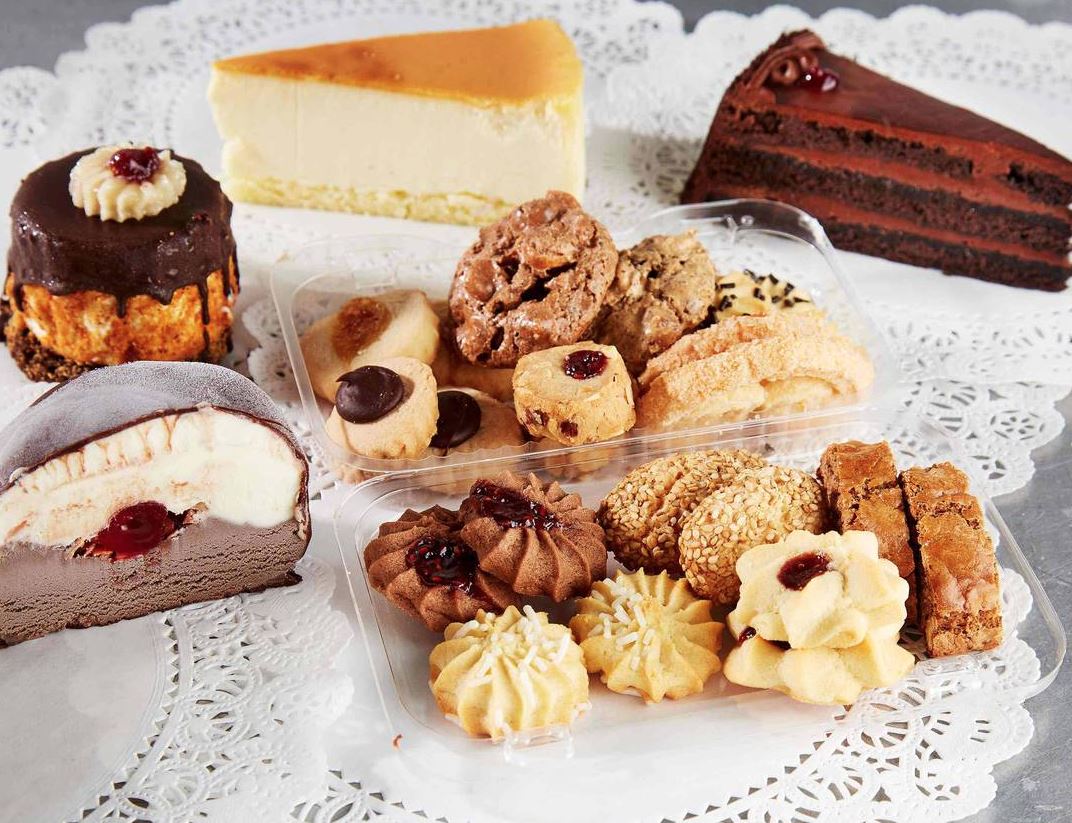
How quiet focus refines pastry craft and lets flavor speak with clarity
Silence as a working ingredient
Silence in a pastry kitchen is not emptiness, it is a medium that carries faint signals from butter, sugar, and steam, and within that calm a baker reads texture and timing with more precision than a clock or a gauge alone can provide.
A quiet room lowers noise that hides subtle change, so the whisk hum, the syrup hiss, and the oven crackle arrive as clear cues, then choices about heat and motion become smaller, kinder, and more accurate.
Listening to ingredients before touching tools
When a cook pauses and listens, flour pours with a soft patter that reveals humidity, sugar granules flow with a sharper note that signals dryness, and nuts slide across metal with a low scrape that hints at roast level, these tiny sounds give context before the first stir begins.
The habit of a brief listen trains attention, the ear maps the bench while the eyes scan for order, and the mind enters a state where fewer movements produce better results.
The quiet grammar of butter and water
Cold butter answers the knife with a crisp edge that fades as it warms, while water added to dough stops splashing and begins to sigh when hydration reaches balance, in silence these transitions stand out, so lamination receives the right folds and tart dough avoids overwork.
A calm bench lets you hear when butter sheets slide rather than smear, which protects flaky layers and keeps baked edges clean and proud.
Fermentation murmurs worth hearing
Leavened dough speaks softly, bubbles tap the bowl, the surface stretches with tiny squeaks, and the hook on a mixer changes pitch as gluten aligns, in silence you catch these signs and stop the mix before heat builds and flavor dulls.
Proofing baskets also whisper, a gentle sigh as the loaf releases tells you that flouring was just right and that shaping created tension without tearing.
Sugar stages by ear and by eye
As syrup climbs from thread to soft ball the boil changes tempo, fast bright pops slow into thicker breaths, and a thin steam veil grows heavier, with no background clatter you can hold the right point to the second and then stop heat with a confident pour.
Crystallization announces itself with a scratchy hiss along the pot wall, silence makes that warning audible so a small addition of glucose or a clean brush with water rescues the batch before it clouds.
Chocolate temper and the soft click of success
Tempered chocolate snaps with a gentle click as it leaves the mold, while untempered chocolate releases in a dull drag, quiet space makes this difference obvious, so you can correct temperature or seed before the full run is cast.
During agitation the swirl sounds smooth when crystals are aligned, and it rasps when the mass grows thick too early, this acoustic check sits beside the thermometer to keep sheen and bite consistent.
Meringue peaks that whisper readiness
Egg whites turn from splash to silk as proteins knit, the mixer tone shifts from bright to round, and the whisk leaves a trace that holds for a moment, a quiet kitchen makes these cues vivid, which prevents dry foam and protects volume in macarons and soufflés.
Sugar added too fast can scratch like sand against the bowl, while proper rain of sugar slides in silence, the difference guides patience and improves shine.
Cream, siphons, and the hush of bubbles
Whipped cream approaches soft peaks with a faint rustle that slows just before overwhip, silence invites you to stop at the sweet moment where texture floats and flavor lingers, no guesswork, only attention.
Charged siphons exhale with a small sigh when pressure and fat are in balance, a harsh spit warns of cold or lean cream, and that sound saves a plate from spatter and collapse.
Glazes that reflect light and quiet
Mirror glaze settles in smooth waves that quiet themselves within seconds, if ambient noise shakes the table or if the room hums with vibration, ripples remain, a silent station protects the film so the highlight stays crisp and the pour reads professional.
Warm nappe brushed over fruit loses bubbles faster in calm air, the hush helps you see tiny flaws, and a single pass with a flame finishes the surface without chase.
Mise en place as a silent ritual
Order on the bench reduces words and errors, scales zero without chatter, containers line up in the sequence of use, and the cook moves through tasks like a score with rests between notes, silence turns setup into intention rather than hurry.
Labels, clean spoons, and folded towels speak for themselves, no calls across the room, just a shared map that keeps hands steady and work humane.
Breath, posture, and the small economy of motion
Quiet invites slower breath, shoulders drop, elbows draw closer to the body, and movements shrink to what the task needs, this economy protects wrists during piping and keeps the knife true during fine cuts.
Calm breath also tames tremor when placing micro herbs or gold leaf, the plate reads composed because the person plating feels composed.
Team choreography with few words
Hand signals and eye contact replace shouts, a lifted spatula asks for space, a tap on the rack offers a tray exchange, and a nod releases the next course, silence turns service into a dance rather than a contest of voices.
Clear zones on the pass shorten sentences, everyone knows where hot sets, where cold lands, and where garnishes wait, the room speaks through layout, not through volume.
Timekeeping without alarms
Loud timers startle and can cause mistakes at delicate moments, sand timers, silent vibration, and visual cues on the bench protect focus while still marking stages, a glance replaces a jolt and the custard avoids a crack from hasty hands.
For long bakes, a wall clock and a log do the work, notes track start and check points, and the ear remains free to hear the oven door seal or the faint release of steam that marks doneness.
Plating as a small theatre of quiet
Porcelain touches wood with a soft click, spoons rest on cloth, and tweezers move without tapping, the absence of clatter keeps garnish upright and sauces unmarked, and guests sense care even if they cannot name why the plate feels serene.
Silence around the pass lets light do its work, gloss shines truer and colors hold, so the story of the dessert arrives before the first bite as a clear picture rather than a blur.
Guest perception and the sound of trust
Dining rooms with gentle background noise and calm pastry service make sweets taste cleaner, because the brain does not fight distraction, sweetness needs less reinforcement, acid can remain bright, and the finish feels longer.
A quiet presentation also communicates confidence, the plate does not beg for attention, it invites it, and that invitation deepens memory.
Measurement accuracy grows in hush
Reading a meniscus on a cylinder or a syrup thread on a spoon asks for stillness, minor noise can mask the tiny clap of sugar against metal that signals the exact stage, quiet brings those details forward and shrinks waste from near misses.
Scales settle faster when the bench is still, so flour weights stop bouncing and bakers avoid the extra pinch that compounds across a batch.
Training drills that sharpen listening
Practice whisking whites while eyes closed for a few seconds to map texture by sound, then confirm by sight, repeat with syrup at early and late stages, and build a library of tones that anchors judgment when sight is busy.
Hold silent tastings where teammates guess bake level from crust crackle or custard wobble heard on a gentle shake, this playful work builds shared vocabulary and speed.
Music policy with purpose
Some tasks welcome soft rhythm during prep, while precision work asks for none, plan the day accordingly, let early prep carry a quiet score, then fade to near silence for tempering, glazing, and plating, the team learns to expect the arc and settles into it.
Volume ceilings and device free zones protect that plan, not as rules for control, but as support for craft and calm minds.
Architecture that keeps sound low
Rubber feet under mixers, cork under racks, and soft pads beneath bowls reduce thumps, curtains or sliding panels near the pass cut draft and hum, and wall materials that absorb rather than bounce make voices unnecessary.
Floor plans that separate dish return from the pastry bench protect thin glazes and towering sugar work from sudden vibration and surprise.
Equipment choices that respect quiet
Mixers with smooth drives, refrigerators with gentle compressors, and induction burners with steady low hum allow focus, the price of silence pays back in fewer mistakes and in less fatigue at the end of service.
Choose immersion blenders that do not cavitate loudly and jugs that fit their heads well, then bubbles drop faster and the glaze clears without extended blending.
Checklists that speak without speaking
Laminated cards with clear steps sit near stations, pencils mark times and temperatures, and color dots show priority, these tools remove chatter and keep work flowing even when the room fills with orders.
When the checklist holds the plan, teammates save their voices for safety calls and for quick praise that keeps morale strong.
Troubleshooting by sound and feel
A dull thud after tapping a cake pan can mean underbake, a crisp ring may signal dry edges, a faint squeal when rolling laminated dough warns of butter too cold, quiet makes these messages useful and timely.
Chocolate that rains from a spatula in uneven strands tells of poor temper, a smooth sheet that falls as a ribbon tells of a good set, no debate, only correction or green light.
Macaron shells in the hush of the bench
Macaron batter reaches flow when a lifted ribbon relaxes into itself with a soft sigh, loud rooms hide that sound and encourage overmix, a silent bench promotes restraint so feet rise evenly and shells stay smooth.
After baking the shells release with a tiny kiss from parchment, if they tear with a squeak they need a minute more, this tiny cue is easiest to hear when the room rests.
Lamination at dawn and the sound of layers
Early hours give cool calm air that keeps butter plastic and dough relaxed, the pin rolls with a slight grain that smooths as gluten aligns, and the board speaks as layers stack, silence helps you hear when to stop before butter smears.
The oven later rewards that attention with a steady crackle as pastry lifts, a music of dozens of thin walls drying in order, which guides the exact moment to pull trays for a shattering bite.
Clarity of mind and care for the team
Silence reduces cognitive load, decisions arrive cleaner, and tempers soften, which lowers risk and raises consistency, precision grows from respect for senses and for one another.
Short quiet breaks between rushes calm the nervous system and let hands regain accuracy, a minute of still breath can save an hour of rework.
Inclusive sound design for diverse minds
Some teammates thrive with gentle background hum, others think best in near silence, create zones that allow both and schedule tasks so each person meets their best environment during the most demanding steps.
Provide simple ear protection for those who need it and clear visual signals so no one must raise their voice to be heard, inclusion deepens precision because everyone can focus.
Night prep and the gift of quiet hours
Off hour production offers long stretches without delivery noise or dining room buzz, doughs rest in peace, custards chill without interruption, and the bench becomes a study, not a corridor, the trade is sleep for stillness, and many bakeries find the exchange worthwhile.
Night work also invites reflection and notes, recipes evolve in these hours because the mind has space to notice small cause and effect links that daylight crowds hide.
Energy, temperature, and the sound of efficiency
Quiet kitchens often run cooler because doors stay shut and machines work less to overcome drafts and open chatter, this improves chocolate work and glaze sets, while saving resources that matter to the bottom line and to the planet.
Silence encourages single task focus, which shrinks wasted motion and lowers energy spikes from repeated resets and frantic reheats.
Teaching newcomers to trust the hush
New cooks may equate silence with pressure or judgment, show them that quiet is a gift, a tool that helps them succeed, pair them with mentors who demonstrate soft speech and efficient hand signals so calm feels normal and safe.
Debrief in a relaxed voice after service, review moments where silence revealed a cue, and celebrate how attention turned into excellence.
Profit and the gentle math of fewer mistakes
Breakage falls when hands move in calm arcs, glaze waste drops when bubbles are heard and removed, and labor costs shrink when rework disappears, silence is not only culture, it is also good business.
Guests sense the difference and return for desserts that taste focused and look composed, loyalty rises on the strength of quiet craft.
A soft room for exact flavor
Precision pastry thrives where quiet lets sugar speak and butter breathe, in that calm space the smallest signs become guides and the work feels both careful and alive, so the plate that reaches a guest carries not only skill but also the peace that shaped it.
Create spaces that listen, set rhythms that honor concentration, and let silence join salt and heat as a true ingredient, then every glaze, crumb, and cream will tell a clearer story with less effort and more grace.