

Color and Light Taste Before the Bite
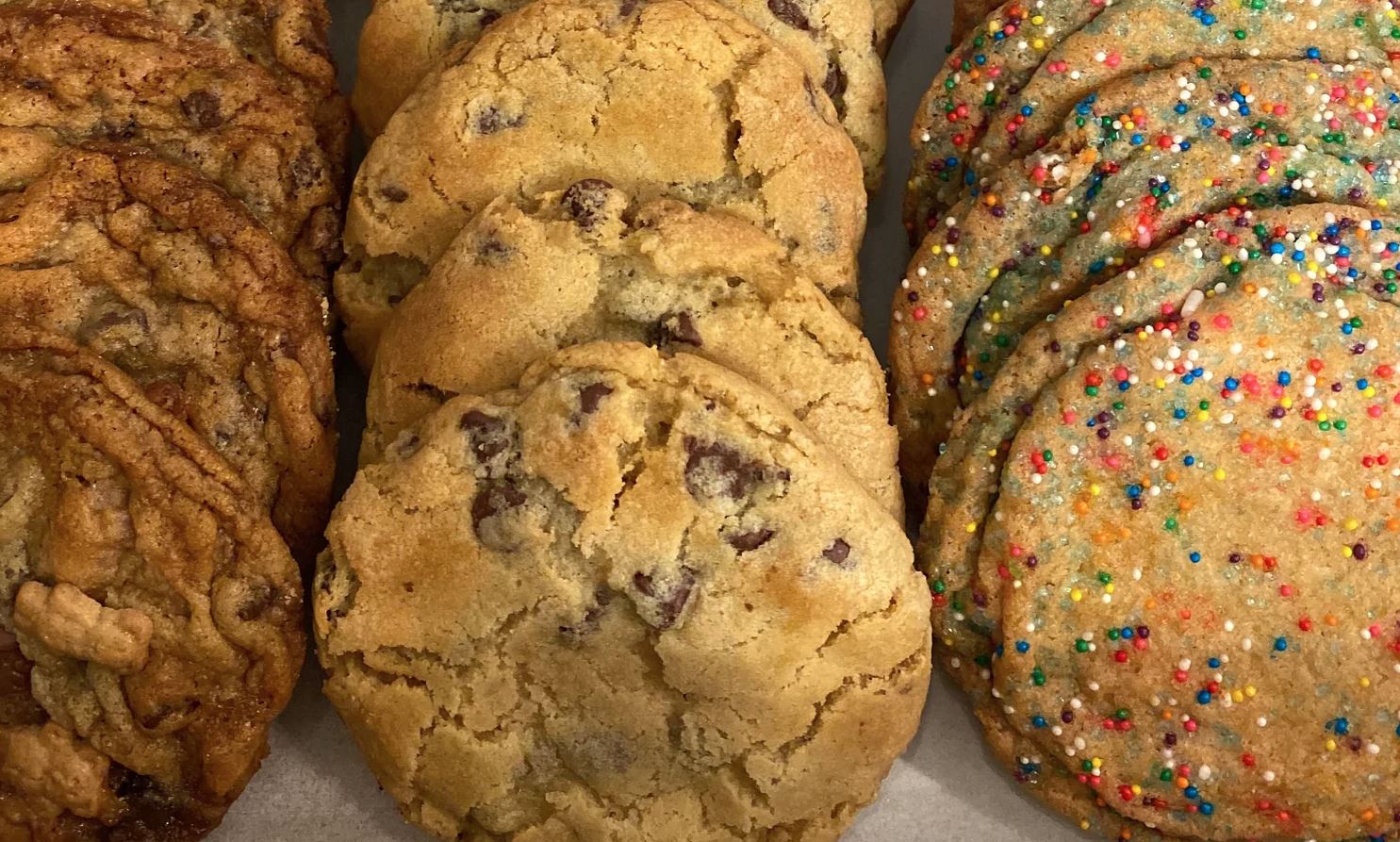
A sensory guide to how illumination and hue shape flavor memory in the world of dessert
First impressions happen with photons not forks
Long before sweetness reaches the tongue the eye builds a story from brightness hue and shadow, and that story primes expectation that can lift or lower the pleasure that follows, so a strawberry tart under warm light reads ripe and comforting while the same tart under cool light can feel shy and acidic even if the recipe did not change.
Designers of pastry experiences treat light as an ingredient because perception bends around context, a gentle glow makes creams look richer, a crisp spotlight sharpens edges on chocolate work, and a muted room can soften color until a sorbet appears less intense than it tastes, which means flavor planning begins with the lighting plan and not only with the formula in the bowl.
Hue bias and the sweetness illusion
Warm colors suggest sugar and ripeness, cool colors suggest freshness and restraint, and the brain carries these shortcuts into every bite, which is why apricot glaze looks sweeter under amber light and mint gelato tastes cleaner on a blue plate than on a brown one even when the scoops come from the same tub.
Chefs can lean into or against these biases, lean in when a mellow pudding needs warmth by presenting it with peach tones and honey reflections, lean against when a rich chocolate slice benefits from a cool frame that keeps it from feeling heavy, the goal is not trickery but harmony between sight and taste that leaves the guest relaxed and ready to enjoy.
Color temperature sets emotional tone
Warm light wraps desserts in comfort and nostalgia, it flatters caramel and toast notes, it deepens golds and soft browns, and it makes dairy look plush, while cool light favors citrus sparkle and herbal brightness, it tightens whites toward crispness and lifts greens toward spring, so choosing a lamp is as consequential as choosing a garnish.
For mixed dessert menus a neutral white with high color fidelity keeps options open, then accent with small pools of warmer or cooler light to steer individual plates, a neutral base provides consistency for service while accents print personality on each dish without repainting the room every course.
Color rendering reveals the truth of ingredients
Two lights with the same temperature can show vastly different color accuracy, high fidelity lamps reveal the subtle green in pistachio and the quiet ruby inside a raspberry coulis, low fidelity lamps flatten those signals into gray or muddy tones that reduce appetite, which means investment in accurate light pays back in perceived quality before a single bite lands.
In a pastry case the difference is dramatic, a high fidelity strip makes mirror glazes gleam without looking plastic, reveals the speckle of vanilla seed inside chantilly, and keeps white chocolate ivory rather than yellow, a small technical choice that reads to guests as freshness and care.
Plate color nudges expectation and pacing
White plates send the eye to the dessert, they amplify contrast and keep color honest, which suits tasting menus and complex glazing, darker plates cradle light like a night sky and can make sugar glass and gold leaf glitter more vividly, while pale pastels soften sharp edges for gentle puddings and fruit creams that need calm surroundings to shine.
When a dessert risks excess sweetness a cool plate can trim that impression, when a dessert leans austere a warm plate can add perceived roundness, and patterned plates should be simple enough to avoid competing with the micro textures that pastry chefs build with great effort.
Background and table textures shape shadow and gloss
Matte linens diffuse reflections and let satin chocolate or glossy caramel own the highlight, glossy tables mirror and multiply points of light which can add drama or create glare that hides detail, wood adds warmth that flatters baked crusts while stone adds crispness that flatters icy textures and metal leaf.
Photographers stage backgrounds for mood, pastry service can borrow that logic, place bright citrus desserts over cool stone or pale ceramic to read lively, place custards and cakes over warm wood to read cozy, and keep the palette of the room consistent with the season so the experience feels inevitable rather than forced.
Translucency and the path of light inside food
Many desserts scatter light within their structure, gels transmit glow through their body, meringues scatter across bubbles, chocolate absorbs and returns a deep low sheen, and the way each handles illumination steers the mouthfeel that guests predict before tasting.
A clear gel set thin with fruit juice becomes luminous under backlight and implies delicacy, a thick opaque custard under top light reads rich and settled, and a mirror glaze with a sharp edge and crisp highlight reads precise and professional, treating the internal optics of the dessert as composition yields plates that feel thought through from crumb to shine.
Saturation and contrast govern appetite
Highly saturated reds and oranges shout for attention and imply bold flavor, soft desaturated creams whisper comfort and imply subtlety, strong contrast looks modern, low contrast looks tender, neither is inherently better yet each must match taste, a bright lime sorbet wants a vivid field, a poached pear might prefer a quiet stage.
Deserts built around bitter chocolate and roasted nuts gain approachability when a small area of saturated color punctuates the plate, a dot of jewel like fruit gel or a stripe of lacquered caramel can be enough, the eye rests on that color and the mind reads balance even before a fork moves.
Shadows model form and guide the spoon
Directional light sculpts relief on piped creams and laminated edges, it helps guests perceive thickness so they know where to cut, and it carves negative space that keeps garnishes legible, without shadow everything looks flat and gummy, with too much shadow fine details vanish into darkness.
A low angle light on one side yields a soft gradient across domes and quenelles that looks delicious, a small fill from the opposite side lifts pits and prevents harsh pits in sugar, and a faint backlight can outline sugar threads and tuile lace so their fragility reads from across the room.
Glaze optics and perceived sweetness
Mirror glazes reflect a highlight that viewers equate with moisture and sweetness, a high specular highlight looks lush, a broader diffused highlight looks creamy, dull surfaces read less sweet and more savory, therefore a ganache meant to taste balanced should own a gentle bloom rather than a razor bright line of light that promises syrupy weight.
For fruit tarts with restrained sugar a thin neutral glaze brightens color and adds a crisp highlight without suggesting heavy syrup, for mille feuille where crunch is the star a matte powdered sugar finish tells the mouth to expect snap rather than cling.
Color harmony between dessert and drink
When the beverage echoes the dominant hue of a dessert both feel more integrated, ruby hibiscus beside strawberry reads natural, pale green tea beside pistachio reads refined, and amber sherry beside caramel reads grown up and calm, harmony sets expectation that flavors will flow into each other rather than collide.
Contrast also serves, a nearly black espresso beside a white panna cotta creates a photographic duet that signals bitterness and cream will play off each other, and that visual promise primes the palate to enjoy balance.
Inclusive design for varied color vision
Not every guest perceives red green or blue channels in the same way, so relying solely on hue to signal flavor or doneness can exclude, texture and value contrast keep messages clear for everyone, raised patterns on chocolate, seeds on gels, powdered lines that mark cut points, all help guests read the plate through more than color.
Menus can name flavors clearly and avoid color only cues like red velvet surprise or green citrus without label, and lighting should avoid extremes that wash out value differences, a considerate approach widens delight without compromising style.
Seasonal light changes and service planning
Daylight in early evening looks cooler and brighter than late night indoor light, which means the same plated dessert can shift personality across a dinner service, photographers chase golden hour for a reason and pastry teams can plan similarly, schedule citrus forward courses earlier and caramel forward courses later to ride with the room rather than against it.
For windowside dining consider a modest shade or sheer during sunset to avoid color drift that turns creams orange and berries neon, guests will taste the dish as intended because color stays stable from first spoon to last.
Case study citrus sorbet and the blue plate paradox
A lemon sorbet served on a white plate under neutral light tastes bright and linear, served on a pale blue plate under the same light many guests report higher perceived acidity even though formula and temperature remain identical, the cool plate pushes the mind toward freshness and restraint and lifts sourness in the imagination.
Use this effect when a sorbet needs punch without extra acid, use the inverse when gentleness is desired by placing the same sorbet on a warm off white plate with a lemon zest highlight that transfers expectation toward perfume and sweetness.
Case study chocolate tart under different lamps
Place a glossy chocolate tart beneath a warm lamp and guests describe fudge and toffee before tasting, place it beneath a cool lamp and they describe coffee and cocoa, both descriptions are fair yet each leads to a different first bite expectation, a pastry chef who wants the coffee angle can add a cool accent while keeping the room warm, a small directional spot that kisses the tart alone will tilt interpretation without chilling the wider mood.
This approach lets one recipe wear several moods across a menu or across seasons by altering light placement rather than constantly rewriting the bake.
Photography for menus and trust building
In menu photography accurate color builds credibility, if the photo shows a ruby strawberry and the plate arrives with a brick colored fruit guests feel misled even if flavor shines, so white balance and high fidelity light become hospitality tools that protect trust as much as aesthetics.
A diffuser above creamy textures removes harsh highlights that suggest grease, a reflector opposite the key light fills shadows so layers read clearly in mille feuille and layer cakes, and a polarizing filter can tame glare on mirror glazes while preserving a controlled highlight that still signals freshness.
Natural colorants and stability under light
Chlorophyll and anthocyanins shift under pH and light, bright green herbs dull under heat and exposure, purple berries can drift toward gray under alkaline conditions, turmeric glows warmly but can stain plates in ways that read messy, so planning for the service window matters as much as the ingredient list.
Blanch herbs quickly and shock in ice to lock color before blending into creams, adjust berry gels with a touch of acid to keep purple vivid, protect bright surfaces from hot direct light on the pass, and present with garnishes that hide potential edges that may pale during a long tasting course.
Texture color coupling and the crunch effect
Dark colors often imply stronger crunch because the brain links brown with roasted or fried states, so dark streusel reads crisper than pale streusel even if both carry the same moisture, use color to mirror texture honestly by toasting to the correct shade and avoiding artificial darkening that would promise more snap than the crumb can deliver.
A pale crisp meringue can still read crunchy if served under crisp light that draws sharp highlights on its facets, visual crispness and auditory crackle then agree with mouthfeel and reinforce the memory of the bite.
Scent and sight coordination through light
Aromas bloom at the moment the spoon breaks a glossy surface, a narrow beam that glints across that surface draws the face closer right before the crack releases perfume, this coordination multiplies impact without extra sugar or fat, and the dessert feels more aromatic simply because sight and scent meet in a timed duet.
Small rituals help, pour a thread of sauce at the table under a warm spotlight so steam carries scent upward, then let the plate rest in softer ambient light for eating so glare does not fatigue the eye, rhythm matters as much for lighting as for seasoning.
Dining room layout as a palette for pastry
Zones of light can act like flavor sections on a menu, a bright bar for fruit forward plates, a duskier corner for chocolate and caramel, a neutral center for dairy and nuts, guests move through these zones during a long evening and their expectations adapt gently without instruction, an invisible choreography that makes a tasting feel composed.
Service maps can place the pass within sight of a neutral wall so plated desserts can be checked under reference light before leaving, this reduces surprises at the table where candlelight could skew color enough to change perceived ripeness or doneness.
Small experiments for pastry teams
Create two lighting presets during a staff tasting, one warm and one cool, pass the same dessert to the team and collect notes, map which flavors seemed louder in each condition, keep those notes with the recipe so the dish can travel across seasons with minor light adjustments rather than reformulation, the practice costs little and teaches a shared visual language for the team.
Repeat with plate colors and backgrounds, a simple grid of photos taken with a phone under controlled presets can reveal how garnishes disappear or bloom, the exercise builds intuition that saves time during a live service.
Troubleshooting common visual flavor mismatches
When a dessert tastes brighter than it looks add a cool highlight or a small high chroma garnish that telegraphs zing, when it tastes heavier than it looks add a warm accent or a matte element that implies creaminess, when guests find a dish too sweet declare contrast with a darker plate or lower overall brightness so the eye expects restraint, these corrections navigate perception without altering the base formula.
For shiny surfaces that look greasy rather than fresh widen the highlight with diffusion so it reads creamy, for pale custards that read bland switch to a plate with soft warmth and add a micro herb or zest that tells the nose what the tongue will meet.
Ethical use of visual influence
Light and color can persuade but should not deceive, the intention is to support what the dessert truly offers, not to promise what it cannot deliver, guests forgive preference but not manipulation, so keep adjustments honest and let sight set a fair stage for taste rather than an exaggerated advertisement.
Transparency builds loyalty, a room that flatters food while maintaining accuracy becomes memorable for trust as well as beauty, and guests return because the experience feels clear from first glance to last bite.
Future directions and playful technology
Adaptive lighting tied to course pacing can shift warmth gradually as the menu moves from citrus to chocolate, portable spotlights with accurate color can travel to tables for a fleeting highlight during service theater, and mixed reality menus may preview plating with accurate color before guests choose, the tools will change yet the core principle remains, sight should reflect and elevate the truth of flavor.
As these tools spread the pastry craft can speak even more precisely in the language of light, giving just enough stagecraft to make sweetness feel alive without overshadowing the humble work of dough cream fruit and fire.
A gentle glow before sweetness
Every dessert begins in the eye where light writes a first draft of flavor, thoughtful color and careful illumination turn that draft into a promise that taste can keep, and when vision and palate agree the memory lasts longer than sugar alone, shape the glow as you shape the recipe, honor accuracy while guiding mood, and the plate will sing before the spoon even lands.
Use warm and cool wisely, choose plates and backgrounds with intention, let shadows sculpt and highlights breathe, and guests will read ripeness freshness and balance in a single glance, then the bite will simply confirm what the light already whispered.