

Blueprints in Buttercream
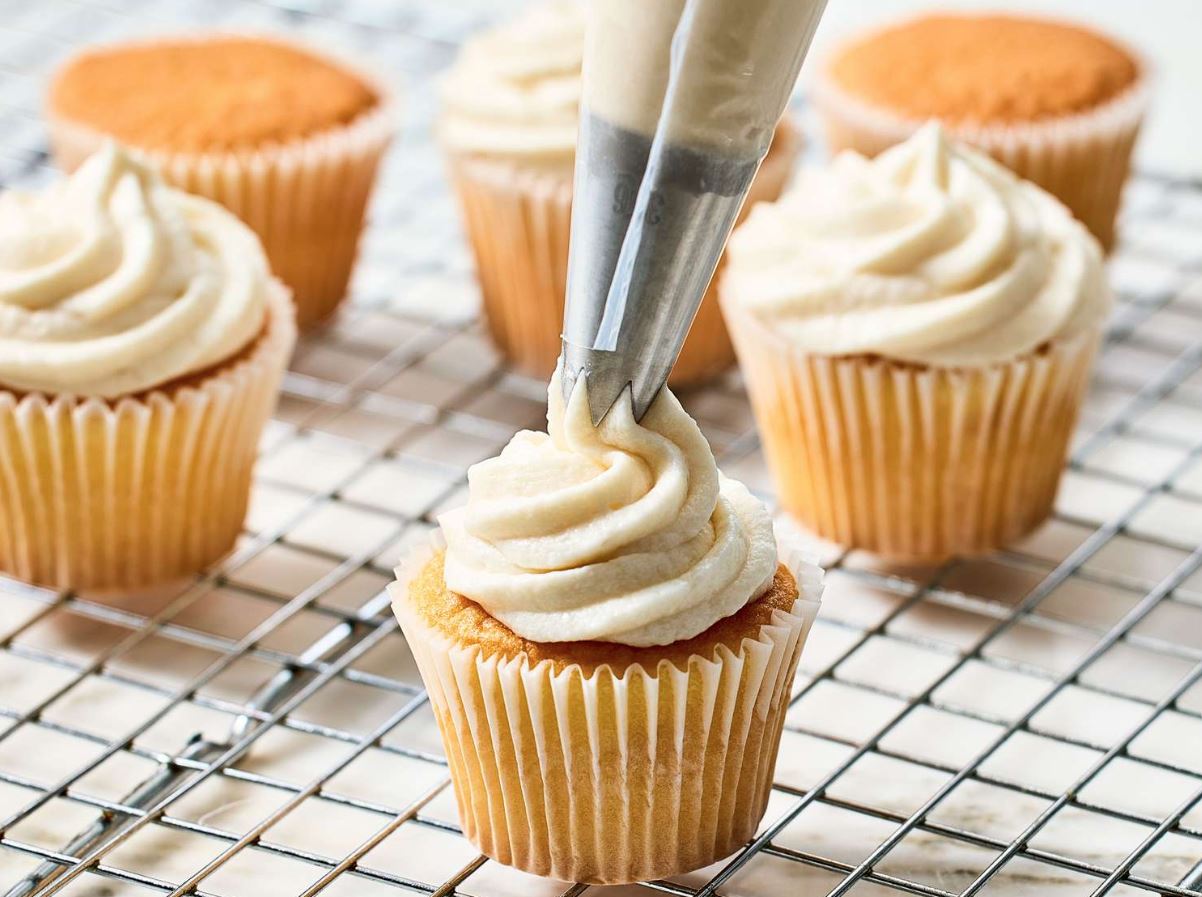
A builders guide to structure flavor and balance in tall sweets
Groundwork for Height and Harmony
Great cakes rise from choices that respect physics as much as taste, because every crumb must carry weight without losing tenderness, and every layer must hold its shape while still melting on the tongue, so the plan begins with a formula that balances flour strength, fat type, sugar level, and liquid, then continues with a mixing method that traps just enough air to lift the frame without tearing it.
Think like an architect who sketches load paths, the base layers carry more stress than the crown, fillings behave like structural walls or soft cushions depending on viscosity, and frostings act as both finish and brace, which means each component must be tuned to the job it performs rather than selected only for flavor.
Flour Choice and the Spine of the Crumb
Protein content in flour sets the tone for texture since water and motion turn proteins into long strands that give a cake its skeleton, cake flour keeps that frame delicate because its protein sits low, pastry flour adds a touch more chew that suits stacked layers, and all purpose brings strength for sculpted builds when combined with tenderizing ingredients that calm the bite.
Sifting is more than ritual, it breaks clumps, distributes leaveners, and ensures even hydration, and a brief whisk with sugar before liquids touch the bowl reduces pockets of tough flour, which prevents tunneling and creates a tight fine crumb that slices cleanly.
Sugar as Tenderizer and Timekeeper
Sugar sweetens, yet it also steals water from flour and eggs, which softens gluten formation and lengthens the window before starch sets, so the cake bakes with a finer grain and a moist sheen, and because sugar raises the boiling point of water, it slows evaporation and protects the crumb from drying during the final minutes in the oven.
Choice of sugar shapes both flavor and color, white crystals keep profiles bright and consistent, light brown adds mild caramel, dark brown brings molasses bass notes, and liquid sweeteners shift moisture and speed browning, so adjust flour and bake time when honey or maple enters the mix.
Fats Emulsions and the Silk Factor
Butter brings aroma and a graceful set because milk solids tenderize while fat coats flour, oil stays fluid when cold and keeps crumbs plush even after chilling, and solid fats like coconut or shortening supply stability for tall decorations, so the best builds combine flavor rich fats with functional ones to keep the slice both fragrant and firm.
Emulsions turn scattered droplets into a stable network that traps air and carries aroma, which is why careful creaming of butter and sugar matters, the goal is many tiny air cells that expand later without bursting, and that requires room temperature butter that yields to the paddle without greasing out.
Eggs as Beams and Gloss
Egg whites lend structure through proteins that set into a gentle lattice when heated, yolks contribute emulsifiers and fat that give shine and softness, and both add water that hydrates starch, so the ratio of whole eggs to whites steers the crumb toward either lift or richness depending on the design brief of the cake.
Warm eggs whip faster and incorporate more air, while cold eggs separate neatly and guard against broken emulsions, so choose temperatures that match the method, and strain yolks if any threads appear to protect a satiny batter.
Leaveners and Gas Management
Baking powder holds two acid phases that release gas during mixing and again during heating, while baking soda responds only when an acid is present, which makes it a powerful tool for recipes with cultured dairy or citrus, and the amount must be precise because excess leaves soapy notes and a coarse crumb with weak walls.
Mechanical leavening from creaming and whipping exists in partnership with chemical leaveners, too much air during mixing creates large cells that collapse, too little leaves a dense slice, so aim for a batter that falls in a thick ribbon and smooths itself slowly, a sign that bubbles are fine and evenly spaced.
Mixing Methods that Set the Mood
The creaming method produces sturdy layers with tight crumb and defined edges, the reverse method coats flour with fat first for remarkable tenderness and flat tops, foam based methods rely on whipped eggs for loft and produce ethereal layers that pair well with light fillings, while oil cakes stir together quickly and remain moist for days which suits event schedules and tall stacks.
Stop mixing as soon as dry streaks disappear, because extra motion after hydration strengthens gluten and deflates air cells, and scrape the bowl often to ensure leaveners and emulsifiers reach every corner of the batter.
Liquids Dairy and Acidity
Milk contributes water for starch gelatinization, sugars for browning through lactose, and proteins that support structure, buttermilk and yogurt add lactic acid that softens gluten and activates soda, and non dairy options with balanced protein and fat can substitute when their flavors fit the plan.
Alcohol transports aroma and lowers freezing point in frozen layers, fruit juices bring acid and character but can curdle dairy unless added in stages, so create a small emulsion with fat first, then fold into the main mix to keep the batter satiny.
Pan Preparation and Batter Placement
Pan prep is site prep for construction, line bases with parchment for perfect release, coat sides lightly with fat for clean lift, and dust with flour or fine sugar when the crust should grip the frosting, while tall cakes benefit from collars that keep edges pale and prevent domes from forming.
Weigh batter into pans for even height, tap lightly to expel large bubbles, and use a small offset spatula to draw the center higher than the rim to counter natural doming, which returns flat tops that stack without heavy trimming.
Oven Behavior and Heat Paths
Ovens hold microclimates, the back often runs hotter, the top shelf browns faster, and doors leak heat that changes timing, so a separate thermometer and a patient preheat protect consistency, while rotating pans at the midpoint evens color when airflow is uneven.
Lower temperatures favor gentle rise and flat surfaces, higher settings push quick lift and deep color, and steam in the early minutes can keep edges flexible in certain sponges, but dry heat near the end concentrates flavor and sets crust for clean handling.
Doneness Without Guesswork
Scent tells the story first as dairy and sugars shift from raw to nutty, visual cues follow when edges pull slightly from the pan and centers spring back with a light touch, and internal temperature near the center lands in the mid nineties Celsius for butter cakes and slightly lower for foam based layers.
A skewer should exit with a few moist crumbs rather than wet batter, and carryover heat will finish the set while layers rest in their pans for a few minutes before unmolding to a rack where air can move freely.
Cooling Setting and Crumb Memory
Cooling is part of baking, starches crystallize and proteins lock into their final shapes as steam escapes, which means patience on a rack prevents soggy bottoms and preserves fine grain, and wrapping warm layers traps steam that softens crusts when a tender exterior is the target.
Chilling layers before trimming firms the crumb and reduces tearing, and a brief rest in the refrigerator between steps gives fillings time to settle so later cuts remain sharp.
Leveling and Geometry for Clean Stacks
Trim domes with a long serrated knife or an adjustable leveler while layers are cool and steady, and read the crumb like a cross section to spot dense pockets that need modest shaving, because flat faces and parallel planes prevent drift during assembly.
Turn layers upside down for extra flat tops, later frosting will hide the seam and the weight of the cake will press the crumb into alignment, which gives a professional silhouette without heavy pressure.
Soaks Syrups and Moisture Maps
Flavor syrups replace water lost to heat and carry aromatic notes that bloom at room temperature, a light brush adds elegance, a generous brush creates a plush profile, and the best results come from warm syrup on cool cake so capillary action draws liquid inward without pooling.
Balance sweetness with acid or spirits, lemon brightens vanilla, coffee deepens chocolate, fruit reductions enrich berries and stone fruit, and a pinch of salt lifts every profile without announcing itself.
Fillings that Act like Beams or Cushions
Curds and jams bring vivid flavor and a clean cut when cooked to a spreadable set, ganache provides strength and a gleaming line that holds shape under pressure, whipped creams deliver cloud like softness for short stacks or chilled service, and mousse offers lift with a fine bubble that loves cold plates and careful transport.
Layer thickness guides stability, thin spreads keep tall cakes straight, thicker layers belong near the base or inside ring dams of buttercream, and textures should alternate so the fork meets contrast in every bite without challenges to the structure.
Buttercreams and Finishes
American style mixes butter with sugar for quick sweetness and reliable crust, Swiss and Italian styles cook whites with sugar for silk that pipes cleanly and holds edges, French style uses yolks for a luxurious finish, and cream cheese blends bring tang that cuts richness in carrot or spice builds.
Temperature control is the secret handshake, frostings should be cool and pliable, never oily or stiff, and short rests with gentle rewhipping return gloss when the bowl warms during long sessions.
The Crumb Coat as Weatherproof Layer
A thin first coat traps crumbs and seals moisture, then a chill sets the film into a steady skin that welcomes the final finish, and this step reduces stress during smoothing because the surface no longer sheds as the scraper travels.
Use a turntable and a tall bench scraper for even sides, hold the tool steady while the cake moves, and finish with a hot spatula for sheen when a smooth style is desired, or with textured passes when ridges and waves suit the design.
Stacking Tiers and Safe Supports
Tiers need boards beneath them and food safe dowels or straws within the lower layers, cut to equal height and arranged in a compact pattern that spreads weight evenly, and a central support through all tiers keeps tall builds aligned during transport.
Assemble heavy structures at the venue when possible, carry components chilled and boxed, and bring extra frosting for seams and touch ups after stacking, which turns a potential crisis into a brief calm moment before service.
Climate Heat and Humidity Strategies
Warm rooms soften butter based finishes and encourage slippage, so use fillings with higher chocolate ratios, increase cocoa butter in ganache, or switch to meringue based frosting for longer stability, and chill between coats to lock lines in place.
Humid air invites condensation that beads on cold cakes and loosens colors, so box cakes while warming to room temperature, allow the box to catch moisture, and open only when the surface feels dry and satiny again.
Flavor Architecture and Layered Echo
Build flavors that travel from top to base with intention, a citrus syrup in the top layer can echo zest in the frosting, a nut praliné crumb between layers can whisper back to a roasted note in the sponge, and a thin tart gel can reset the palate between rich components so the last bite feels as bright as the first.
Use salt and acid as carpenters use shims, tiny amounts correct leaning profiles of sweetness and richness, and a measured splash of spirits or tea can deepen the midrange without stealing the spotlight.
Texture Play without Chaos
Cakes charm when soft crumb meets a light snap, so add feuilletine or crisped grains inside a protected layer of chocolate so they stay crunchy, or line a tier with thin nut brittle shards locked in buttercream that shields them from moisture, then place tender cream above to reset softness.
Avoid free crunchy elements beside wet fillings because water migrates and dulls the intended effect, seal texture within fat, and reserve fragile crunch for the outer finish where it meets the tongue first.
Color Glaze and Light
Color should follow flavor and structure, soft tones fit plush crumbs and fruit driven builds, bold tones suit clean edges and modern shapes, and a thin glaze can add gloss without heaviness when poured over a chilled coat that resists melting.
Edible flowers, citrus peel, and fresh fruit bring life when added at the last minute, while chocolate accents placed at cool room temperature keep edges sharp and reflect light across the surface like small mirrors.
Special Diets that Keep Craft Intact
Gluten free layers lean on starch blends and hydrocolloids for elasticity, higher hydration and longer rest help starch absorb water, and firm pans guide rise into straight walls, which protects stacking strength without sacrificing tenderness.
Dairy free or eggless builds benefit from emulsified oils, aquafaba foams, and plant based cultured creams that deliver both structure and tang, and the same architectural rules apply, choose fillings that support the plan and keep temperatures steady.
Transport Service and the First Cut
Cold cakes travel best since fats hold shape, but slices taste better near room temperature when aromas bloom, so stage service with a brief temper on site, protect boxes from sun, and use non slip mats under boards to prevent drift.
Warm a long knife in hot water, wipe dry, and cut straight down without sawing to preserve layers, then wipe between cuts so edges remain gallery clean, and pass plates promptly so the slice arrives before the crumb relaxes.
Troubleshooting from Dome to Sink
Domed tops point to high oven heat or small pans, lower the temperature and consider bake even collars, while sinking centers suggest too much leavener or underbaking, so measure leaveners carefully and check internal temperature near the close, and tunnels reveal overmixing or excessive leavening that stretched bubbles into long tubes.
Greasy streaks come from broken emulsions or butter too warm during creaming, fix by starting with cooler butter and adding eggs slowly, gummy bands signal underbaked starch or a heavy syrup soak, so bake to full gel and brush more lightly next time, and leaning layers need flatter trims and stronger dams around soft fillings.
Case Studies in Thoughtful Builds
Vanilla sponge with citrus gel and cultured cream shows how brightness and fat can share the stage, the sponge uses the reverse method for level rounds, a lemon and grapefruit gel sits in a thin band that resets the palate, and a lightly sweetened cream with a touch of yogurt finishes the stack with soft tang that keeps the bite clear.
Dark cocoa layer cake with coffee soak and silk frosting balances deep notes with lift, the batter uses oil for plush crumb that survives chilling, the soak adds aroma without weight, and a meringue based buttercream pipes defined ridges that hold under warm lights while still melting on contact.
Records Notes and Repeatable Magic
Builders keep logs because the best slice tomorrow depends on choices made today, weigh ingredients, note pan types, track oven zones, and record resting times, then compare crumb photos across batches to see how small changes move texture, height, and moisture.
Once a profile meets the goal, freeze a trimmed wedge for reference, future batches can match against the standard by sight and by taste, and that practice turns lucky success into dependable craft.
A Quiet Crown for Every Celebration
Layer cakes succeed when engineering and delight share the same plan, foundations stay true, fillings whisper their stories, finishes shine without strain, and each slice reveals lines that stand straight and flavors that travel from first scent to last crumb, build with care and patience, measure with curiosity, and the architecture will reward you with a dessert that looks steady, tastes alive, and feels inevitable from the very first forkful.