

Fire Teaches What Flour Cannot
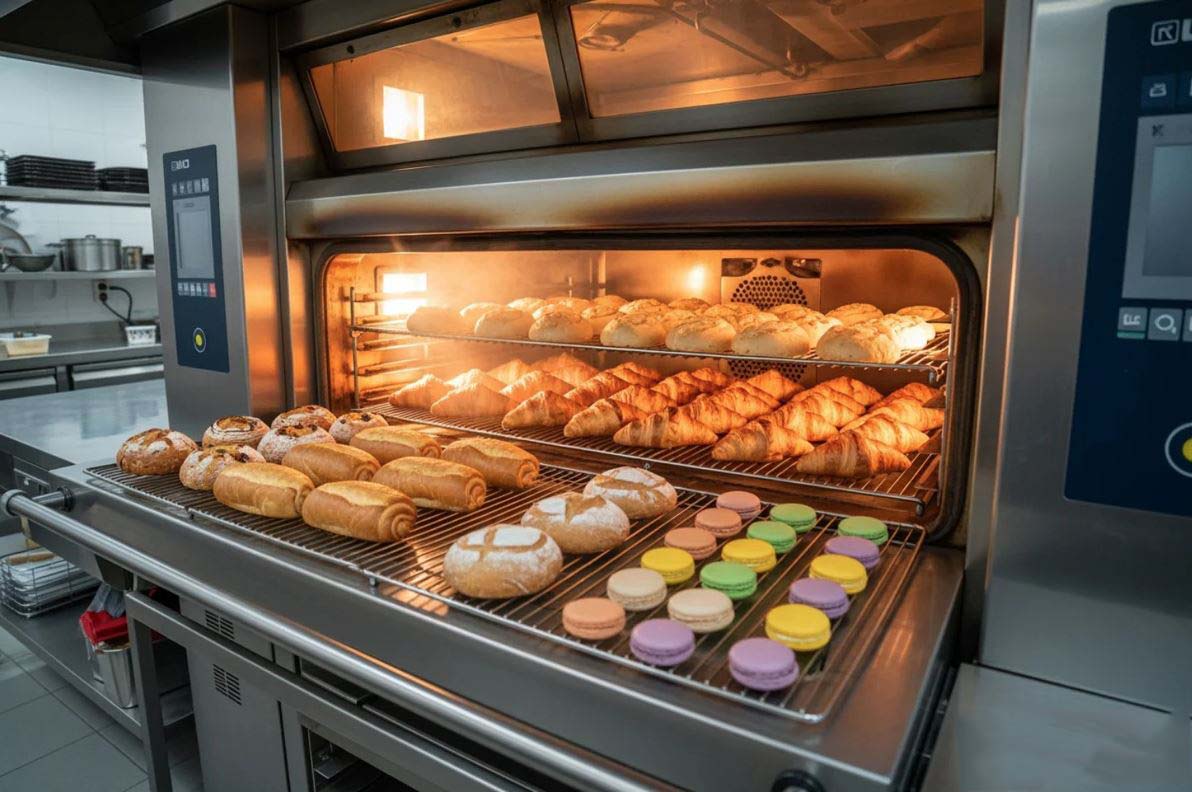
Time temperature and the quiet transformations that turn dough into memory
The Oven As A Living Partner
Every baker learns early that heat is not a tool but a collaborator that must be read and respected. Inside an oven molecules dance to rhythms too small to see yet large enough to shape texture crust and color. Air swirls with pockets of hotter and cooler current and these invisible tides decide whether a loaf stands proud or sinks in silence. To bake is to negotiate with heat not command it and success depends on listening to its language through sight smell and intuition built by repetition.
Modern convection fans and thermostats promise precision yet even the most advanced equipment cannot replace the judgment that develops in a baker’s hands. A perfect oven spring relies on knowing when the dough feels alive enough to expand but not so eager that it bursts. The relationship becomes a conversation where heat responds to patience and patience shapes heat.
The First Kiss Of Warmth
Before dough enters the oven fermentation breathes its last sigh. Yeast cells awaken for one final push converting sugars into gas and aroma. As heat rises these gases stretch gluten into filaments that hold shape until proteins firm and starches set. This moment marks the threshold between potential and reality where craftsmanship becomes science and timing becomes fate. Too short a bake traps moisture and dullness while too long scorches flavor and silences texture. The art lies in finding the point where structure meets tenderness and color turns from pale gold to amber.
The sound of crust forming offers a secret cue. Tiny crackles tell of moisture escaping and proteins tightening just enough to seal the crumb within. A watchful baker hears that sound as confirmation that the balance of temperature and time remains intact.
The Science Of Patience
Patience in baking is not stillness but precision stretched over minutes and hours. Fermentation requires restraint and observation rather than intervention. The rise of dough mirrors the pace of breath slow steady and deliberate. As microorganisms feed they weave acids alcohol and carbon dioxide into a network that carries both flavor and structure. The temptation to rush this stage often yields bread that tastes young tight and forgettable. Time enriches complexity by allowing each strain of yeast and bacteria to express itself fully creating depth that no spice can imitate.
During resting phases gluten relaxes and moisture redistributes evenly through the mass. Skipping rest or cutting corners invites uneven texture and dryness. A baker who honors waiting learns that flavor grows while hands are idle and that mastery depends on trust as much as touch.
Heat As Catalyst And Sculptor
Once dough meets heat transformation begins with sudden speed. Proteins denature starch gelatinizes sugars caramelize and fats melt into every crevice. Each reaction unfolds at a slightly different temperature and together they build the orchestra that defines aroma and taste. Browning gives depth while vapor forms internal chambers that lighten the crumb. Even small shifts in temperature can tilt balance between crust and interior and those who know their ovens can tune that balance like music.
Experienced bakers treat heat as a sculptor’s chisel rather than a hammer. They learn to anticipate carryover cooking where internal warmth continues to rise after removal from the oven. Pulling a loaf early relies on confidence in residual heat to finish the job while avoiding the dryness that lingers beyond the threshold.
Steam The Invisible Glaze
When water meets the scorching surface of metal or stone it releases a cloud of steam that wraps the dough and keeps its surface elastic during expansion. Steam delays crust formation allowing volume to reach its peak before the shell hardens. The glossy sheen on well baked bread or pastries is born from this moisture barrier which dissolves starch on the surface and later crystallizes into shine. A simple pan of boiling water or a burst from a sprayer transforms texture far more than ingredients alone.
Understanding when to let steam escape is equally important. If humidity lingers too long the crust softens and color dulls. If removed too early cracks appear and the crumb feels coarse. The mastery lies in watching the shift from glossy to matte and recognizing that moment as the signal to vent the oven and allow caramelization to complete the story.
The Maillard Symphony
Deep inside every golden surface lives a reaction that bridges chemistry and art. The Maillard reaction occurs when amino acids and sugars meet under heat creating hundreds of aromatic compounds. This process gifts baked goods their nutty toffee like notes and rich brown hue. Its tempo depends on temperature moisture and pH balance and it unfolds gradually like music composed in layers. A baker who controls this dance can craft depth of flavor that rivals slow roasted meats or aged cheese.
Care must be taken not to confuse color with completion. True flavor develops slightly before deep browning appears which means watching closely for scent cues that shift from doughy sweetness to roasted warmth. That fragrance marks the moment when sugar and protein reach harmony and the work of patience meets its reward.
Crumb And Crust In Conversation
The interior and exterior of a baked item share a delicate relationship governed by time moisture and temperature. The crumb holds softness moisture and elasticity while the crust provides texture and protection. Heat moves inward from the surface and drives moisture outward creating opposing gradients that define balance. A strong crust without tenderness signals excessive dryness or prolonged exposure while an underdeveloped crust shows haste. The perfect meeting point allows bite resistance followed by gentle yield.
During cooling the crust contracts slightly and pulls against the crumb creating faint sounds that bakers call singing. These crackles whisper that internal steam has escaped and structure has set. Listening to this post bake melody reveals more about success than any timer could offer.
Patience Beyond The Oven
Removing bread or pastry from heat does not end baking. Cooling completes setting and redistributes remaining moisture throughout the crumb. Cutting too soon releases steam that would otherwise reabsorb and softens the texture prematurely. Resting builds stability and concentrates flavor as volatile compounds settle. Many traditional bakers insist that bread tastes best a few hours after baking when temperature and humidity align and crust regains crispness through gentle evaporation.
In desserts like custards or cheesecakes residual heat continues to cook the interior long after removal. Rapid cooling risks cracks from sudden contraction. Allowing gradual descent in temperature rewards patience with silk smooth texture and balance.
The Emotional Grammar Of Waiting
Every act of baking teaches stillness and focus. The quiet minutes between mixing and rising invite reflection and sensory attention. Watching dough breathe teaches humility because no amount of impatience can hurry a living process. The scent of caramelizing sugar near the end of a bake evokes both excitement and nostalgia blending memory with anticipation. These feelings bind bakers across generations who all stand by warm ovens trusting that time and heat will keep their promises.
In this way patience becomes a language shared by hands eyes and heart. The lesson is not merely technical but human reminding us that care unfolds slowly and that some rewards cannot be rushed.
Time As Ingredient Not Measurement
In recipes time appears as numbers yet in practice it behaves as character shaped by environment and intuition. Humidity altitude and flour strength alter speed and require flexibility. Learning to read dough rather than clock is the mark of maturity in baking. A baker’s watch is their fingertips and their nose the true timer lives in aroma and feel. Precision exists not to cage creativity but to guide it through conditions that change daily.
When patience joins technique repetition turns into understanding. What once felt like waiting becomes observation and observation transforms into rhythm. Each bake becomes a rehearsal of trust between time and transformation.
Heat Across Traditions
Wood fired ovens clay pots and modern convection chambers all shape flavor differently but each depends on balance between temperature and duration. Traditional wood ovens hold radiant heat that envelops loaves gently while modern steel walls produce intense direct energy. Clay retains moisture and moderates temperature creating even bakes suited for long slow cooking. Cultural techniques arose from local materials yet they all share the principle that heat must move like breath steady and alive.
In every culture patience finds expression. Long proofed sourdough from northern climates mirrors slow simmered milk sweets from tropical kitchens. Whether the heat comes from coal gas or sun the truth remains constant transformation honors those who wait.
Precision Tools And The Human Factor
Digital thermometers and sensors can measure temperature with clarity but they cannot measure readiness. A baker’s hand against the oven door or ear near the crackling crust offers insights machines overlook. Technology refines craft but instinct animates it. True control of heat lies in understanding variability not eliminating it. The human element keeps the process alive adapting to each batch with micro adjustments impossible to script.
Patience ensures those adjustments happen at the right moment rather than too late. The wisdom to pause and reassess before reacting separates mastery from haste and turns repetition into artistry.
The Psychology Of Slow Transformation
Modern life celebrates speed yet baking rewards slowness that nurtures focus. Waiting for dough to rise or sugar to caramelize draws attention inward forcing observation rather than distraction. The mind learns to appreciate subtle change tiny bubbles forming in batter a color shift from pale to gold or the scent of readiness that no timer predicts. This meditative rhythm reduces anxiety and reconnects the baker with the flow of natural processes.
Heat then becomes metaphor for persistence and patience for mindfulness. Together they teach that beauty often appears in the quiet intervals between effort and outcome.
Common Faults And The Lessons They Offer
Undercooked centers scorched crusts or uneven rises all reveal impatience or misread signals. Each failure offers data more valuable than a perfect result because it clarifies the influence of time and temperature. A collapsed cake may point to premature opening of the oven door or excessive leavening. A dry loaf tells of excessive heat or extended bake. By tracing these patterns bakers refine judgment and develop empathy toward imperfection which mirrors the patience they seek to cultivate.
The habit of recording adjustments builds a personal map that bridges science and intuition and transforms mistakes into milestones on the path to consistency.
Color Aroma And Sound As Guides
Visual cues evolve as starches brown and sugars melt. The shift from pale cream to honey to copper signals progress that words cannot fully capture. Aroma expands in waves beginning with flour and yeast then moving toward nuts butter and toast. Sound changes too from bubbling air pockets to faint crisping at the surface. Together these senses replace numbers as truer instruments of timing.
Experienced bakers close their eyes for a moment near the end of a bake not to rest but to listen. The faint rustle within the oven tells them exactly when patience has paid off.
The Role Of Cooling And Storage
Proper cooling determines longevity. Airflow prevents sogginess and preserves crust definition. Wire racks raise baked goods above surfaces so moisture can escape evenly. Storing while warm traps condensation that dulls texture. Once cool bread breathes slowly through paper or cloth which absorbs excess humidity and extends freshness without suffocation. Plastic traps vapor and shortens life though it may suit pastries meant to stay soft.
Some flavors even deepen overnight as volatile compounds settle and moisture stabilizes. This delayed gratification reminds bakers that the process extends beyond the last minute of baking.
Heat As Memory And Ritual
Ovens carry emotional resonance in households and bakeries alike. The scent of warm pastry can evoke childhood mornings or festivals long gone. Every act of loading or unloading becomes ritual an offering to tradition and community. The glow inside the oven connects human craft to elemental fire linking the modern kitchen to ancient hearths where grain first met flame. That continuity gives baking its universal language a promise that care and time yield nourishment not just for body but for spirit.
Heat preserves stories through repetition each loaf a continuation of those who baked before and those who will follow. Patience ensures that chain remains unbroken.
Future Perspectives On Slow Baking
As technology advances new ovens use algorithms to mimic wood fired breathing cycles and sensors that map temperature by zone. Yet the essence of baking remains unchanged. Artificial precision cannot replace the calm attention that comes from waiting and adjusting by instinct. The movement toward slow baking and natural fermentation reflects a return to fundamentals. Bakers value flavor born of time more than efficiency born of haste.
The coming years may bring tools that assist but never surpass the patience of human hands. The baker of tomorrow will still listen to the same quiet crackle of crust that guided ancestors long before electricity.
The Quiet Flame That Shapes Everything
Heat and patience weave the soul of baking together into something greater than chemistry. One supplies energy the other discipline and when balanced they yield transformation that feels both inevitable and miraculous. In that union raw ingredients become nourishment and simple acts become expressions of care. Each loaf cake and tart carries proof that gentleness can coexist with intensity and that time well spent leaves its mark in fragrance texture and warmth.
To bake is to believe that waiting has value and that fire given respect becomes more than heat. It becomes language memory and comfort shared through every golden crust pulled from the oven.