

The Quiet Alchemy of Sweet Glass
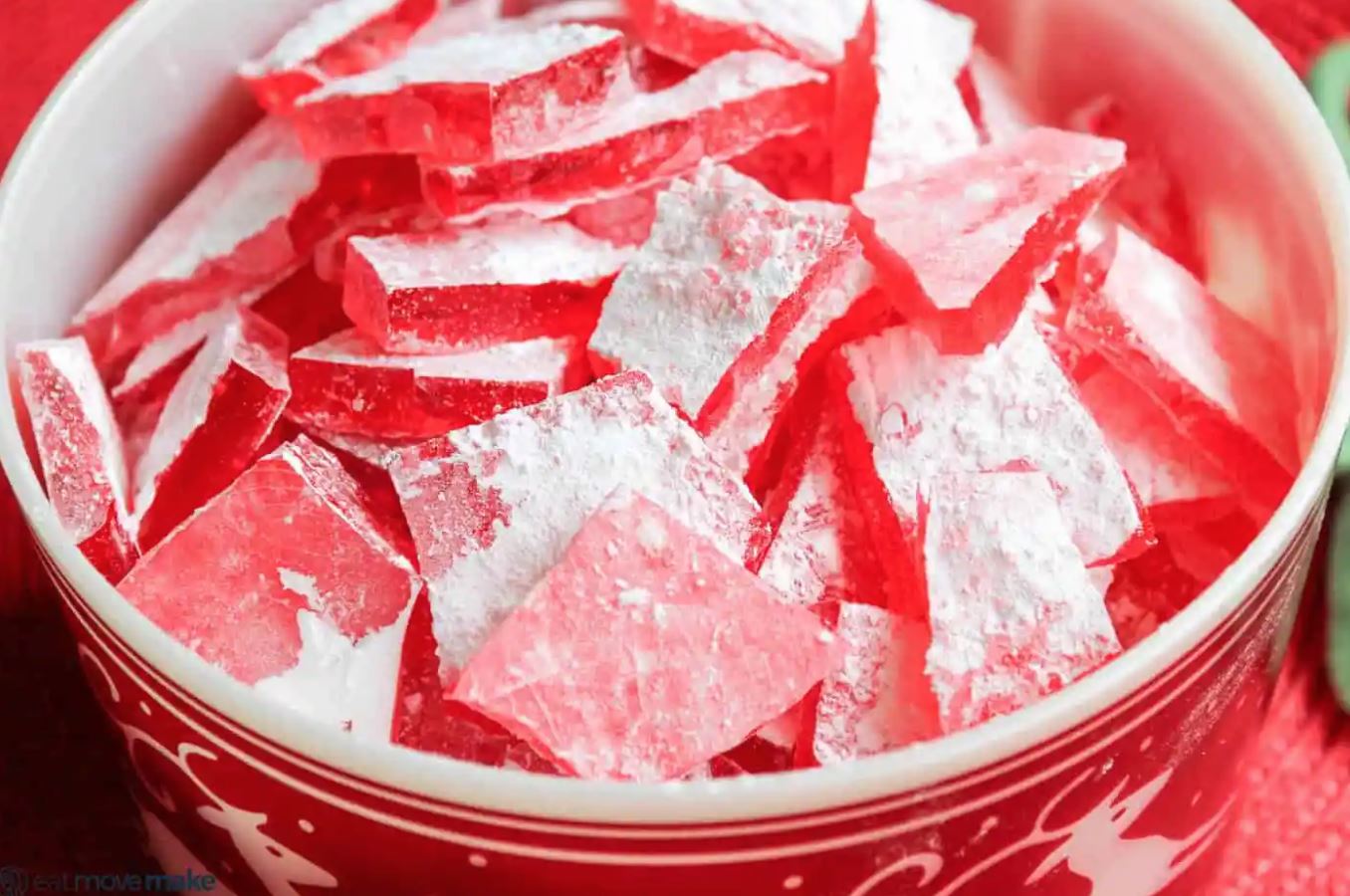
Exploring the fragile universe of confectionery and its hidden languages of texture and light
The Ancient Origins of Sugar Art
Long before candy shops lined modern cities, early confectioners practiced their craft with ingredients reserved for kings and sacred ceremonies. The art began in the kitchens of ancient Persia and India where sugarcane syrup was reduced into crystals and formed into medicinal lozenges. In Europe, monks adopted these techniques to preserve fruit and coat seeds with sweetness, while Renaissance courts turned sugar sculptures into spectacles of wealth. These ornate displays, often shaped into castles, animals, or mythic creatures, dissolved in mouths but lived eternally in memory. Through these transformations, sugar became more than nourishment, it became a symbol of refinement, power, and imagination.
As trade routes expanded, the precious ingredient moved across oceans, meeting almonds in Spain, chocolate in France, and molasses in the Caribbean. Each region contributed something essential, and together they laid the foundation for the confectionery world we now know. What was once a rare luxury became an accessible art form, carried by the hands of bakers, travelers, and dreamers who sought to turn sweetness into a kind of poetry.
The Science Behind Softness and Crunch
Confectionery depends on precision, where sugar’s molecular behavior decides everything from gloss to crumble. When heated, sucrose breaks into glucose and fructose, each responding to temperature with its own rhythm. At lower temperatures, syrup stays pliable and makes caramels and fudges that melt gently. At higher points, sugar solidifies into brittle candies that shatter with satisfying clarity. Humidity, temperature, and timing become invisible sculptors, shaping the outcome as surely as any tool. Even a few degrees of difference can turn silk into stone or foam into glass.
The candy maker’s instruments are simple, yet their precision rivals that of scientists. A thermometer, a copper pot, and the feel of the spoon form the triad of control. Sugar threads through seven stages of transformation, from soft ball to hard crack, each holding a specific tactile signature. Achieving consistency requires not just measurement but intuition, because air, water, and sugar constantly negotiate behind the scenes. The result is a fragile equilibrium where chemistry and artistry intertwine so completely that they become indistinguishable.
Caramelization as Transformation
Few processes embody confectionery’s magic like caramelization. When sugar heats beyond its crystalline order, it begins to break down and reform into hundreds of flavor compounds. Notes of butter, spice, and smoke bloom together, creating a color that glows like amber in sunlight. This reaction is both irreversible and unpredictable, guided more by the maker’s senses than by formula. A skilled confectioner listens for the quiet fizz of change and watches the hue shift from pale gold to deep copper. In those seconds, sweetness evolves into complexity, becoming something with depth and story.
Caramel bridges worlds between solid and liquid, light and dark, comfort and danger. Too little heat, and the result is syrup without soul. Too much, and bitterness overtakes balance. Perfect caramel holds tension, a harmony between sweetness and shadow that mirrors life itself. The art lies in knowing where to stop, when enough transformation has occurred to reveal character without collapse.
The Hidden Geometry of Sugar Crystals
Crystallization governs the texture of fondant, fudge, and nougat. Sugar molecules crave order, and when they cool slowly and without interference, they form precise lattices that sparkle. A smooth confection, however, requires disrupting this impulse through agitation, seeding, or the addition of interfering agents like glucose or corn syrup. These small intrusions prevent large crystals from forming, giving the candy a creamy, delicate finish. Controlling crystallization is like taming a wild instinct, teaching structure to behave with grace.
The geometry within sugar is invisible to the naked eye yet entirely responsible for what we taste. Large crystals crunch between teeth, small ones dissolve seamlessly. Each choice in technique determines not just the final appearance but the emotional response it evokes. A brittle shard surprises with brightness, while a soft fudge comforts with warmth. The science within the sweet remains hidden, but its effects are deeply human.
Color and Flavor as Emotional Language
Color gives confectionery its spirit. Natural pigments from fruits, roots, and flowers have long shaped the emotional palette of sweets. The pinks of beetroot, the yellows of saffron, the greens of matcha, and the purples of blackcurrant speak in shades that the tongue cannot. Artificial dyes expanded this vocabulary, offering vivid hues that seemed to defy nature. Yet color, no matter its origin, holds psychological weight. Pale tones invite calm, while bright ones awaken delight. A confection’s success often lies not only in taste but in the memories its colors awaken.
Flavor follows a similar symphony. Modern confectioners play with aromatics once reserved for perfumers: rose, violet, cardamom, and yuzu. These infusions create layered sensory experiences that extend beyond sugar itself. The first taste may offer sweetness, but what lingers is mood. In that lingering moment, candy transcends the physical and becomes emotional, capable of evoking seasons, places, or the fleeting warmth of childhood afternoons.
The Art of Pulling and Stretching
Pulling sugar remains one of the most hypnotic crafts in the confectioner’s world. At the correct temperature, molten sugar can be stretched into ribbons that shimmer like silk. Each pull incorporates air, transforming transparency into opalescent glow. The artisan folds, twists, and shapes the mixture while it hovers between fluid and solid, guided by muscle memory and intuition. Timing here is everything; too cool and it fractures, too hot and it scorches the skin. Working within that narrow window demands focus, dexterity, and calm under pressure.
When cooled, these ribbons harden into delicate sculptures that seem frozen in motion. For centuries, pulled sugar has adorned grand banquets, serving as edible architecture for celebrations and ceremonies. Modern confectioners continue this tradition, blending classical technique with contemporary design. Each piece captures the fleeting nature of beauty, solidified just long enough to be admired before vanishing on the tongue.
Nougat, Toffee, and the Language of Chew
Texture defines identity in the confectionery world, and few examples show this better than nougat and toffee. Nougat is a study in lightness, crafted from whipped egg whites stabilized by hot sugar syrup, then mixed with nuts or fruit. Its charm lies in resistance that yields slowly, a tender chew that invites contemplation. Toffee, in contrast, embraces density. Butter and sugar cooked together until they reach a hard crack stage create a bite that snaps before melting into warmth. Both rely on careful temperature control, but each speaks a different dialect of pleasure.
Modern variations explore the edges of these classics, using nut pastes, herbs, or unexpected ingredients like sesame or chili. The line between tradition and innovation blurs with every batch. What endures is the simple act of chewing, that slow release of flavor which connects eater to maker across centuries. Through that shared rhythm, confectionery becomes a universal language understood without translation.
The Role of Air in Creating Wonder
Air may seem invisible, yet in confectionery it is a powerful design element. From aerated chocolate to marshmallows and honeycomb, air transforms heaviness into delight. The process involves trapping bubbles within sugar structures, balancing density with lift. Too much air creates fragility, while too little results in dull solidity. The perfect ratio gives candies their characteristic lightness, the moment when texture feels alive rather than static.
Marshmallows, for instance, rely on whipped gelatin stabilized by sugar syrup, their structure held together by both science and rhythm. Honeycomb candies depend on baking soda reacting with caramelized sugar, producing spontaneous bubbles that create their iconic network. Each creation celebrates the meeting of opposites: solidity infused with emptiness, sweetness filled with breath. In confectionery, even air becomes edible art.
Regional Traditions and the Spirit of Place
Every region on earth has shaped its own sweets, molded by climate, resources, and culture. Turkish delight blooms from starch and sugar perfumed with rosewater, its soft cubes dusted with snowlike sugar. Japanese wagashi celebrates seasons through translucent jellies that mirror autumn leaves or cherry blossoms. France elevates praline and bonbons into expressions of luxury, while Mexico fills markets with tamarind confections that blend heat and tang. Each culture redefines sweetness through its own lens, transforming simple ingredients into reflections of history and identity.
In this diversity lies connection. The bite of a traditional candy from another land can bridge languages and generations. It carries memories of childhoods not our own, yet strangely familiar. Global confectionery stands as a living archive of humanity’s shared craving for pleasure and comfort, expressed in infinite variations of sugar, spice, and care.
Modern Innovations and Ethical Paths Forward
Today’s confectioners face both new opportunities and moral responsibilities. The rise of artisan and sustainable practices has shifted focus from mass production to mindful creation. Cacao sourced through fair trade, natural colorants, and plant-based alternatives redefine what ethical sweetness can look like. Sugar substitutes like maple crystals, coconut nectar, and monk fruit offer paths toward balance without abandoning indulgence. Yet even as methods change, the essence remains unchanged: the pursuit of joy through transformation.
Technology brings fresh tools to the craft. 3D sugar printing allows precision beyond human hands, while controlled crystallization and micro aeration redefine texture boundaries. Despite these innovations, the true success of modern confectionery lies not in machinery but in intention. When sweetness aligns with consciousness, candy becomes more than luxury, it becomes language for care, sustainability, and creative responsibility.
The Relationship Between Confectionery and Memory
Confectionery exists not only on the palate but within the heart’s archive. A single flavor can transport a person decades back, into the scent of festivals, holidays, or quiet afternoons in a kitchen filled with laughter. Memory clings to texture and scent more fiercely than sight, and sweets often serve as anchors to those invisible moments. The crack of sugar crust, the pull of taffy, the scent of vanilla rising from paper, all become triggers for recollection.
Because of this, confectioners become inadvertent storytellers. Each batch carries potential for emotional resonance, whether it’s nostalgia for what was or comfort for what still is. To craft candy is to participate in memory making, and every taste completes a circle between maker and eater, between past and present. Within that exchange, sweetness becomes an act of empathy, quiet and enduring.
The Eternal Luster of Sweetness
Confectionery endures because it reflects the human impulse to capture beauty, however fleeting, and make it tangible. Sugar, light, and care converge to form objects that speak in color, texture, and scent. They invite play, wonder, and remembrance. In every glossy surface and crystalline edge lies a small miracle of patience and precision. The joy they bring is momentary, but the echo lasts. As long as people seek comfort, celebration, or art in edible form, the craft of confectionery will remain alive, forever reinventing how sweetness touches the soul.