

From Heritage Ovens to Tomorrows Table
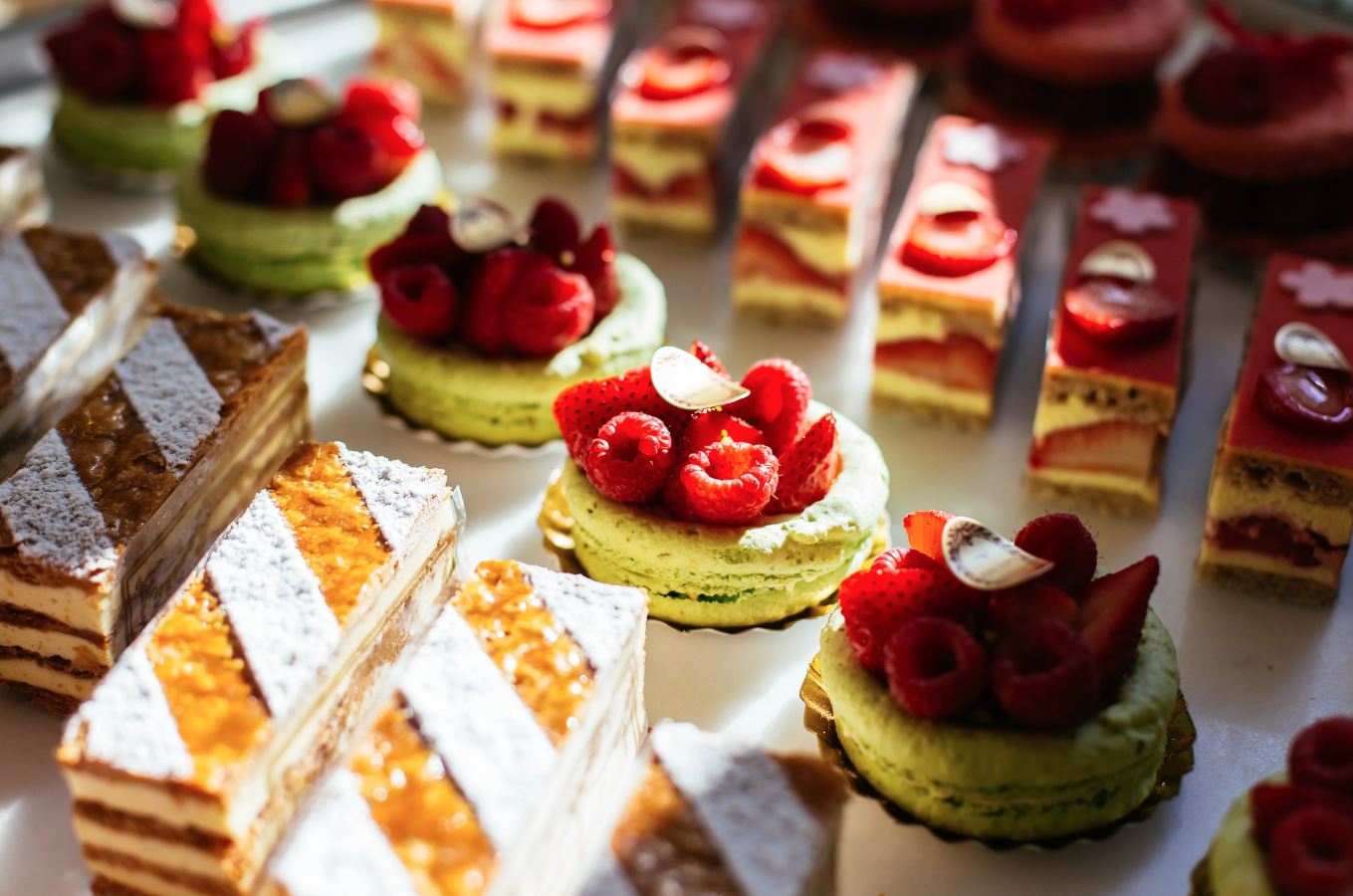
A fresh reading of classic patisserie through technique flavor ethics and design
Custards Recast With Clarity
Vanilla custard once carried the voice of comfort and formality, yet modern eyes ask for brightness, precision, and a finish that feels weightless while keeping depth, so cooks temper yolks with measured heat, they infuse with split pods and citrus peel, they reduce sugar to let dairy and egg sing, and they set the cream gently in a low water bath to avoid harsh curds, then they chill on a wire rack so steam escapes and surface gloss stays glassy, and at service a spoon of lightly salted cream or a thread of floral honey restores softness without heaviness, turning a familiar spoonful into a clear note that lingers.
Puff Layers With New Intent
Classic puff delivers height and shatter, yet today the goal often shifts toward flavor first and architecture second, which leads to laminated doughs that use cultured butter for tang, long rests for digestibility, and slightly lower bake to protect nutty aromas, and when the pastry cools it becomes a platform for fresh textures like whipped mascarpone folded with yogurt, or roasted fruit bound by light syrup rather than thick gel, and the result tastes crisp yet kind, the crumb is audible without cutting the palate, and every bite feels considered rather than loud.
Ganache That Breathes
Ganache once stood dense and glossy, a perfect mirror that held a knife line, while modern palates often prefer lift and length, so pastry chefs shift ratios, they warm cream with tea leaves or cocoa nibs, they emulsify with a flexible hand blender to build fine droplets, then they fold in a little whipped cream to give buoyancy, and the set texture melts fast and releases aroma in stages, first cocoa, then fruit notes, then a final whisper of vanilla or spice, and in that sequence the slice invites conversation rather than silence.
Fruit At The Center
Where fruit once played garnish, it now takes the lead with respect for season, ripeness, and scent, so the tart shell becomes thinner and more savory to frame the produce, the glaze turns nearly invisible, and the filling tastes like the orchard rather than sugar, and makers macerate with a pinch of salt to chase water from cells, they thicken with tapioca for clarity, and they balance high notes with cultured dairy or a leaf of herb to give dimension without weight.
Sugar With Thoughtful Restraint
Classic sweets promised celebration through abundance, while current practice treats sweetness as an accent that supports structure and preservation, so recipes reduce sucrose, blend in honey or maple for nuance, and use a single final brush of syrup on sponge to keep moisture without pushing sweetness past the threshold, and this approach preserves crumb, stabilizes creams, and lets cacao, grains, and fruit tell their own stories, which makes each slice taste awake rather than sleepy.
Flours Beyond Wheat
Bakers reach for buckwheat, einkorn, sorghum, and rice not as substitutes but as instruments with personalities, so a Paris Brest gains toasted complexity from buckwheat choux, a shortcrust with rice and almond delivers remarkable snap for citrus tarts, and sponge with a whisper of corn flour carries berries with sunny perfume, and for guests who avoid gluten, blends with psyllium and potato starch create lattices that trap steam and hold shape, proving that diversity of grain can elevate tradition rather than divide it.
Fats With Character
Butter still rules, yet clarified butter, cultured butter, olive oil, and nut oils create new paths, so the babka that once relied on heavy enrichments becomes fragrant rather than dense when folded with olive oil scented chocolate, and a sablé made with roasted hazelnut oil turns into a quiet duet with pear, and the choice of fat stops being a default and becomes part of the story, with each lipid carrying aroma, set, and mouthfeel to a place the classic never reached.
Fermentation As Flavor Brush
Pastry often borrows lessons from bread, and gentle fermentation offers acid, aroma, and keeping quality, so brioche dough rises cool and slow, kouign amann gains a mild tang that sharpens caramel notes, and even cake batters rest briefly to hydrate starch and awaken hidden sweetness, while a touch of koji in a caramel or a spoon of miso in butterscotch bends nostalgia toward savory depth, and the plate suddenly feels wider than memory alone.
Heat Maps And Modern Ovens
Precision heat changes outcomes without forcing new ingredients, so a combi oven holds humidity to delay crust set on puff, a stone or steel in a home oven launches tarts with clean bottoms, and a convection fan used at a lower setting colors evenly without drying custard edges, and the result is control that respects classic forms, because the best update sometimes means giving the original exactly the environment it always needed.
Chilling As Architecture
Blast chillers and careful home chilling build structure from the outside inward, so entremets set with straight sides, mousse keeps a fine bubble, and mirror glazes fall in thin coats that do not mask flavor, and smaller kitchens can mimic this with shallow pans, ice baths, and cold racks that allow steam to flee, and the pastry emerges with firmness that reads as clean rather than rigid.
Shapes That Guide Appetite
Form influences how the mind expects sweetness and weight, so chefs cut opera cake into slender bars that emphasize layers, they mold Saint Honore as individual rings that highlight the dialogue between cream and caramel, and they plate millefeuille as open stacks that invite a fork without shatter, and these choices change nothing about ingredients yet change everything about experience, since geometry directs both bite path and aroma release.
Color Without Noise
Natural color sings when held close to the ingredient that created it, so beet brings quiet rose to a berry glaze, spinach gives pastel green to a mint diplomat, and saffron grants sunlight to a light panna cotta, and restraint matters, because a soft palette allows the crumb and the glaze to speak with texture first and hue second, which suits modern expectations for purity and focus.
Aroma As Structure
Aroma lifts sweetness when used in balance, so chefs build layers of scent that arrive in sequence, they bloom vanilla in warm cream, they fold zest into cold batter to protect high notes, and they place fresh herbs at service so volatile oils greet the diner before the first bite, and the whole dessert feels taller not by height but by reach.
Plating That Serves The Bite
Plating has shifted from sculpture to service, with lines that guide the fork to clean textures and sauces that behave like pathways rather than walls, so a quenelle sits where crumb needs moisture, a tile of chocolate rests across cream to add snap at the right moment, and drips become dots that mark an arc the spoon can follow, and the diner experiences intention rather than decoration.
Service Rhythm And Time
Classics often depend on the moment they leave the refrigerator or oven, so teams build timelines that protect shine and crumb, meringues receive a thin cocoa butter veil to slow humidity, fruit tarts are glazed sparingly and stored on racks for air, and choux is filled late to keep shell texture alive, and this attention to rhythm creates desserts that travel from kitchen to table without losing voice.
Sustainability In The Pastry Lab
Modern practice treats stewardship as flavor, so kitchens measure energy, minimize plastic, and channel surplus into new items, citrus peels become shrubs for sorbets, almond pulp turns into financiers, and chocolate trim becomes a second gloss for truffles, and the story of a dessert now includes the path of its scraps, which guests feel as care even before they read a menu.
Inclusivity And Choice
A table feels generous when every person finds a welcome plate, so menus offer dairy free creams stabilized with aquafaba and cocoa butter, gluten free shells that shatter cleanly, nut free pralines built from seeds and caramel, and low sugar options that rely on acidity and texture for satisfaction, and none of these read as compromise, because the goal is pleasure first and accommodation folded in from the start.
Digital Weighing And Repeatable Magic
Scales that read to a tenth of a gram and simple spreadsheets give small teams the power of a lab, so formulas scale without drift, leavening stays honest, and water activity remains predictable, and with this precision, creativity becomes safer, because the baseline never moves, which frees the cook to layer new flavors over a foundation that holds.
Teaching Tradition To Live Again
Young cooks learn history while questioning its boundaries, they pipe buttercream with lighter hands, they bake sponges that absorb syrups without collapse, and they ask elders why a step exists, then they test alternatives until the reason stands clear, and in this dialogue the tradition grows rather than fades, becoming a living practice that meets new diners where they stand today.
Home Kitchen Pathways
Not every kitchen holds a deck oven or a chiller, yet many updates thrive at home, a cold bowl and a hand whisk build cream with perfect texture, a steel preheated for a long time turns out tart shells with flat bottoms, and a thermometer removes guesswork from caramel and custard, and with these simple tools, a home baker can serve desserts that reflect modern clarity while still honoring the comfort that drew them to pastry in the first place.
Case Studies In Gentle Reinvention
Tarte Tatin brightens when apples meet a caramel touched with miso, the salt and savory notes reveal fruit while cutting sweetness, and the crust becomes thinner and crisper to keep each slice balanced, Opera cake finds new lift with a coffee syrup that uses cold brew for clarity and a ganache lightened with a little whipped cream, and Saint Honore turns delicate when the choux is filled with a yogurt diplomat that finishes clean, and each example keeps the soul while offering a clearer voice.
Ethics Flavor And Story
Ingredients carry people within them, and modern pastry tells that truth openly, cacao sourced with care tastes richer because the eater relaxes into the pleasure, vanilla grown by farmers who receive fair payment carries a sweetness that feels right, and fruit from local orchards arrives with scent that no truck can protect across great distance, and these choices turn a slice into a narrative of place and respect.
Beverage Companions That Lift Rather Than Mask
Coffee roasted for balance not burn allows chocolate layers to show fruit and floral tones, lightly brewed tea frames citrus without stealing its light, and sparkling water with a twist of peel cleans the palate between bites better than heavy spirits, and pairings move from show to support, which matches the quieter sweetness of modern plates.
Textures That Welcome The Body
Chew, snap, and melt still matter, yet many diners seek ease along with thrill, so shells turn thinner, crumbs receive a little olive oil for grace, and mousses whip to soft peaks that release aroma quickly, and the whole dessert takes less effort to enjoy, which lets the mind focus on flavor rather than struggle, and this kindness reads as luxury rather than austerity.
Light As a Design Principle
Reflection and glow shape appetite before taste, so glazes thin to translucence, sugar garnishes shift from tall to low so faces can meet, and plates use negative space to frame layers, and light falls across ridges and fruit with purpose, guiding the eye along a path that mirrors the intended bite, and the dessert feels calm because nothing shouts.
Warm Spices Used With a Measured Hand
Cinnamon, cardamom, and clove still anchor many classics, yet they appear in smaller amounts and often as infusions rather than ground additions, which keeps textures smooth and aromas round, and a single spice steps forward while the rest hold the door, and fruit or chocolate takes center stage in a way that feels modern without denying the past.
Chocolate Work With Gentle Edges
Tempered chocolate still provides gloss and snap, though thickness now serves function rather than spectacle, so thin sheets act like accents that dissolve quickly, and inclusions shift toward nibs, seeds, and puffed grains for contrast, and fillings cut sweetness with fruit reduction or bright liqueur in small amounts, and bars reduce sugar while increasing cocoa percentage chosen for flavor rather than force.
Season As Composer
Menus move with weather, stone fruit in warm months, pears and citrus in cold months, berries at their perfume peak, and creams change fat level with temperature so the palate never feels tired, and this seasonal thinking honors classic preparations that always depended on the market even when cookbooks forgot to say so, and the plate gains meaning from the calendar in a way that needs no explanation.
Small Portions With Big Echo
Size no longer measures generosity, impact does, so individual tarts show perfect architecture and leave room for coffee and talk, petit gateau offer layered flavor in two or three deliberate bites, and shared plates invite spoons to meet at the center, and everyone leaves with a memory rather than a burden, which suits gatherings that value conversation as much as sugar.
A New Calm Over Familiar Sweetness
What began as recipes learned by heart returns to the table as thoughtful revisions that respect origin while listening to todays palate, sugar steps back so fruit and grain can speak, fat turns fragrant rather than heavy, shape serves ease, and technique becomes a quiet scaffold that holds flavor without boasting, and the guest tastes both the past and the present in one forkful, which is the promise of living tradition, a soft glow over a plate that still feels like home.