

Patterns Written in Butter and Light
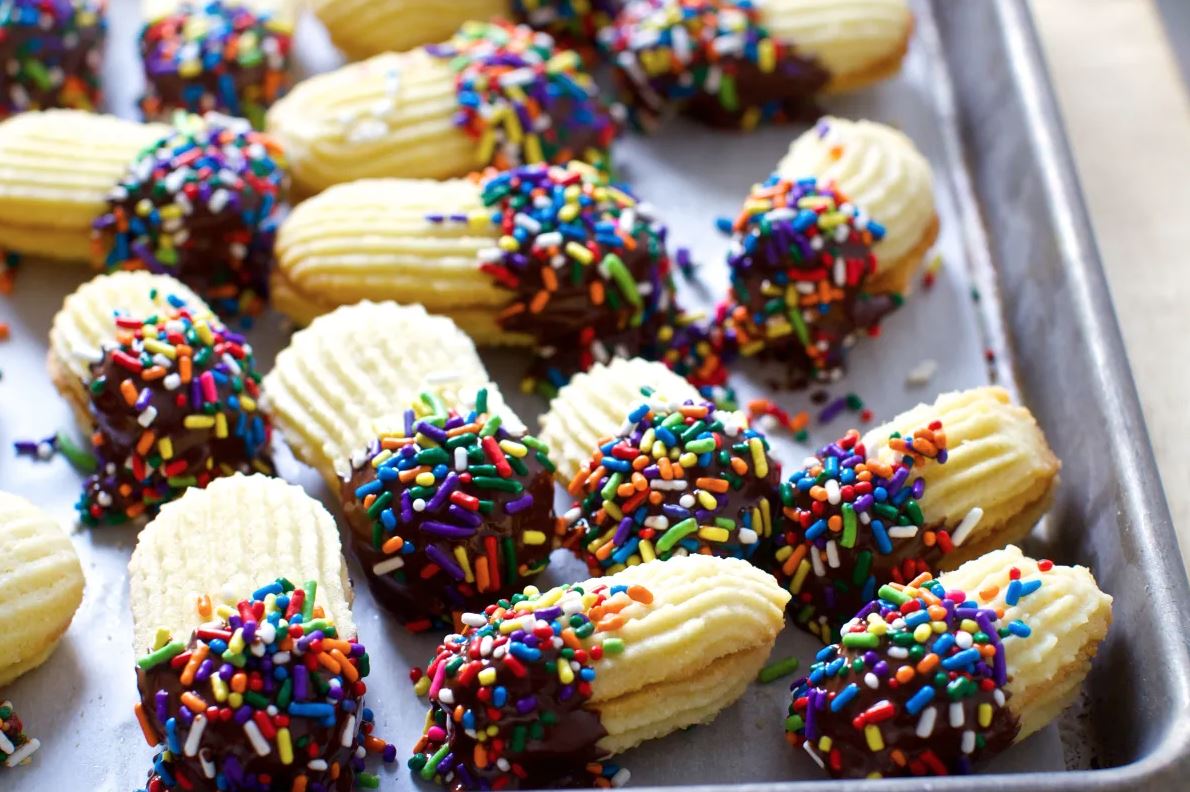
Discovering the hidden geometry that shapes the soul and symmetry of pastry artistry
The Architecture Beneath the Crust
Every pastry begins as a quiet negotiation between chaos and structure. Dough, though soft and malleable, hides an invisible map that decides how it will expand, crisp, or collapse under heat. Beneath the golden crust lies a world of calculated layers, air pockets, and tension. Geometry lives within those folds, shaping how butter aligns with flour, how moisture travels, and how heat transforms raw material into architecture. When pastry rises, it does so according to rules older than baking itself. The same mathematical principles that govern bridges and shells find expression in a croissant’s crescent or a tart’s curve. To bake is to build, and every bite reveals evidence of unseen design.
In the earliest kitchens of Europe and the Middle East, pastry artisans worked not by chance but through observation. They learned that layering butter in precise ratios created sheets that folded into harmonies of flake and lightness. With practice, geometry became instinct. A perfect puff, when viewed in cross section, displays a spiraling pattern of repetition, each layer folding into itself like an echo. This architecture is not random, it is deliberate, constructed through angle, rhythm, and balance. Geometry is not decoration in pastry, it is the very skeleton that allows beauty to exist.
Circles Spirals and the Language of Movement
Among all shapes, the circle is the pastry world’s eternal motif. From pies to mille-feuille, from tarts to galettes, the round form offers even heat distribution, structural integrity, and aesthetic harmony. The spiral, born from the same geometry, introduces motion into stillness. A Danish pastry twists around a core of filling, a cinnamon roll unfurls like a galaxy, and laminated dough reveals spiraling strata that mirror the flow of nature. These forms are not simply aesthetic choices, they embody mathematical precision. Spirals distribute pressure evenly, allowing expansion without fracture, while circles create equilibrium where every point is equidistant from the heart. In pastry, this symmetry translates into tenderness and strength combined.
Pastry chefs speak of circles as living shapes. When dough rolls outward, it breathes in pattern. The motion of rolling pins, guided by hands that move from center to edge, mirrors the geometric expansion of life itself. The circle becomes both practical and symbolic, representing continuity, hospitality, and unity at the table. The spiral adds a human element of playfulness, a touch of asymmetry that keeps perfection from becoming sterile. Together, they define the visual rhythm of pastry art, bridging the precision of geometry with the warmth of emotion.
Golden Ratios in Layers and Lines
Hidden within the world of lamination lies a secret proportionality that artisans unconsciously follow. The golden ratio, found in seashells and architecture, appears subtly in the layering process of puff pastry and croissants. Each turn of the dough multiplies layers by predictable numbers, building exponential complexity from a simple base. After three single turns, a sheet holds two hundred seventy-three delicate strata, each separated by the thinnest film of butter. These numbers form not just technique but mathematics in edible form. The pattern obeys the same principle that dictates the spacing of petals or the arc of a wave. The result is a structure that feels balanced because it reflects universal proportion.
Beyond lamination, the golden ratio influences decoration. Piping on eclairs, placement of fruit on tarts, and even the curvature of chocolate curls follow intuitive alignments based on harmonious division. Skilled pastry chefs often describe these proportions as something they feel rather than measure. Their eyes seek balance instinctively, arranging elements so that nothing dominates and nothing disappears. The geometry of beauty resides not only in numbers but in the quiet calibration between chaos and order that defines great pastry design.
The Symmetry of Folding and the Logic of Heat
Folding transforms dough from raw matter into structured potential. Each turn distributes fat in a geometric pattern that ensures controlled lift under heat. The angle of the fold, the pressure applied, and the rest between turns all influence outcome. Too tight a fold compresses the matrix, while too loose a one causes irregular bubbling. Through repetition, bakers learn to recognize patterns of resistance, reading the dough as an architect reads blueprints. Heat, entering from every side, reads those folds like pages in a book, expanding where space allows and sealing where boundaries exist. This conversation between structure and energy is the geometry of transformation.
Temperature gradients shape the final result with mathematical elegance. The top crust crisps as water evaporates, the middle expands as steam seeks escape, and the base solidifies under compression. Each layer behaves like an engineered system, relying on symmetry to sustain lift and prevent collapse. Every successful pastry reflects equilibrium, where geometry ensures that chaos remains contained. It is a dance between precision and surrender, where both science and art converge under a single law of proportion.
Fractals of Flavor and Texture
Fractals appear wherever repetition occurs at multiple scales, and pastry embodies that principle with remarkable fidelity. The layers within a laminated dough mirror one another, repeating texture patterns that become visible only after baking. Each flaky shard resembles the larger crust from which it came. This recursive geometry delights the senses, producing crispness that sounds musical and texture that dissolves into silk. The fractal nature of pastry allows for both complexity and harmony, where every small piece mirrors the whole.
Flavor follows similar paths. Layers of butter, sugar, and air interact at micro levels, amplifying aroma through multiplication. When the tongue meets pastry, it experiences a cascade of reactions unfolding with fractal logic. The first bite reveals crispness, the second unveils tenderness, and the third melts into memory. Each sensation connects to the next through repetition that feels infinite. Geometry does not end with the eye, it continues through touch, sound, and taste, linking the eater to the invisible architecture within.
Symmetry in Decoration and Balance in Design
The final stage of pastry artistry lies not in baking but in adornment. Here geometry becomes a visual language that speaks of restraint and purpose. Symmetry brings calmness, asymmetry adds intrigue. A mirror glaze, smooth as glass, requires perfect leveling to maintain reflection without distortion. Chocolate shards placed at deliberate angles form triangles that guide the gaze inward, creating a sense of motion within stillness. Pastry decoration, when done with care, feels architectural rather than ornamental. Each element belongs, each proportion matters.
Mathematic principles such as tessellation find new meaning in patterns of lattice crusts, braided edges, or piped motifs. Even color follows geometry. Gradients, spirals, and radial symmetry create harmony between tone and texture. The pastry’s surface becomes a canvas where visual order translates into appetite. Geometry serves emotion by creating rhythm that the mind perceives before the tongue begins to taste. It proves that beauty is not accidental but constructed from measured thought and fearless precision.
The Emotional Resonance of Symmetry
Though pastry geometry arises from mathematics, its effect is profoundly human. Symmetry comforts because it recalls balance, while slight irregularity adds warmth and authenticity. When someone gazes at a perfectly domed tart or the spiral of a kouign-amann, the eye perceives order and the heart perceives care. Geometry becomes emotion translated through craft. It tells the eater that someone considered every curve, every alignment, every fold. The precision communicates affection without words. In this way, the geometry of pastry reaches beyond aesthetics into empathy, allowing beauty to feed both body and spirit.
The eater’s appreciation completes the geometric cycle. The act of cutting a slice, revealing internal structure, turns static symmetry into motion once again. Geometry dissolves into experience, proving that design in pastry is not fixed but alive. It changes with temperature, light, and touch, becoming transient art that exists only in the moment of sharing. The pattern disappears as it is consumed, but its memory remains imprinted through texture and taste.
Nature as the Original Instructor
Pastry geometry draws endless inspiration from natural forms. The spiral of a shell, the branching of veins, and the symmetry of petals all find echoes in edible creations. The lamination process mirrors sediment layers in stone, while sugar crystals mimic snowflakes. In studying these organic structures, pastry artists learn the value of imperfection. Nature’s geometry rarely achieves absolute precision, yet it conveys harmony through variation. This lesson frees bakers from rigidity, teaching them to seek rhythm rather than repetition. The ideal croissant or tart does not imitate machinery, it reflects the quiet intelligence of growth, gravity, and flow.
By embracing natural geometry, pastry returns to its elemental roots. Each pattern connects craftsmanship to the earth that provides its ingredients. The grains in flour, the patterns in butterfat, and the air currents inside ovens all participate in shaping form. When the finished pastry cools, it holds within its structure the trace of every natural law that guided it. Geometry thus becomes not an invention of humans but a collaboration with nature, interpreted through butter and flame.
Mathematical Harmony and the Future of Pastry Design
In modern kitchens, digital modeling and precision equipment allow pastry chefs to explore geometry with new accuracy. Three-dimensional printing of molds, controlled lamination machines, and temperature mapping expand what can be achieved. Yet even in this technological frontier, the guiding principles remain ancient. Ratios, curvature, and pattern govern every innovation. The chef’s intuition still decides how far geometry should go before emotion reclaims control. Too much precision risks sterility, too little brings chaos. The best creations walk a fine line where intellect meets instinct, allowing geometry to serve pleasure rather than overshadow it.
Future pastry art may draw from mathematical visualization, incorporating fractal imaging, biomimicry, and architectural software to sculpt desserts that challenge perception. Yet no algorithm can replace the feeling of a hand folding dough or a brush applying glaze. The beauty of geometry lies in its translation through imperfection, the way human touch slightly distorts ideal form to create warmth. As long as pastries are made by people rather than machines, geometry will remain alive, breathing through every flake and ripple.
Edible Symmetry and the Spirit of Creation
In the end, pastry geometry is not simply a study of form but a philosophy of balance. It reminds us that beauty arises from structure tempered by softness, from precision softened by touch. Every pattern that appears on a crust or within a crumb speaks to the harmony between control and surrender. The baker who understands geometry does not force perfection but allows it to emerge naturally through rhythm and care. Each finished pastry becomes a small universe where proportion and feeling coexist. When we eat it, we consume not just sweetness but a fragment of order made visible. Within that moment of harmony, geometry fulfills its quiet promise, turning mathematics into art and art into nourishment.