

Orchid Whisper to Kitchen Song
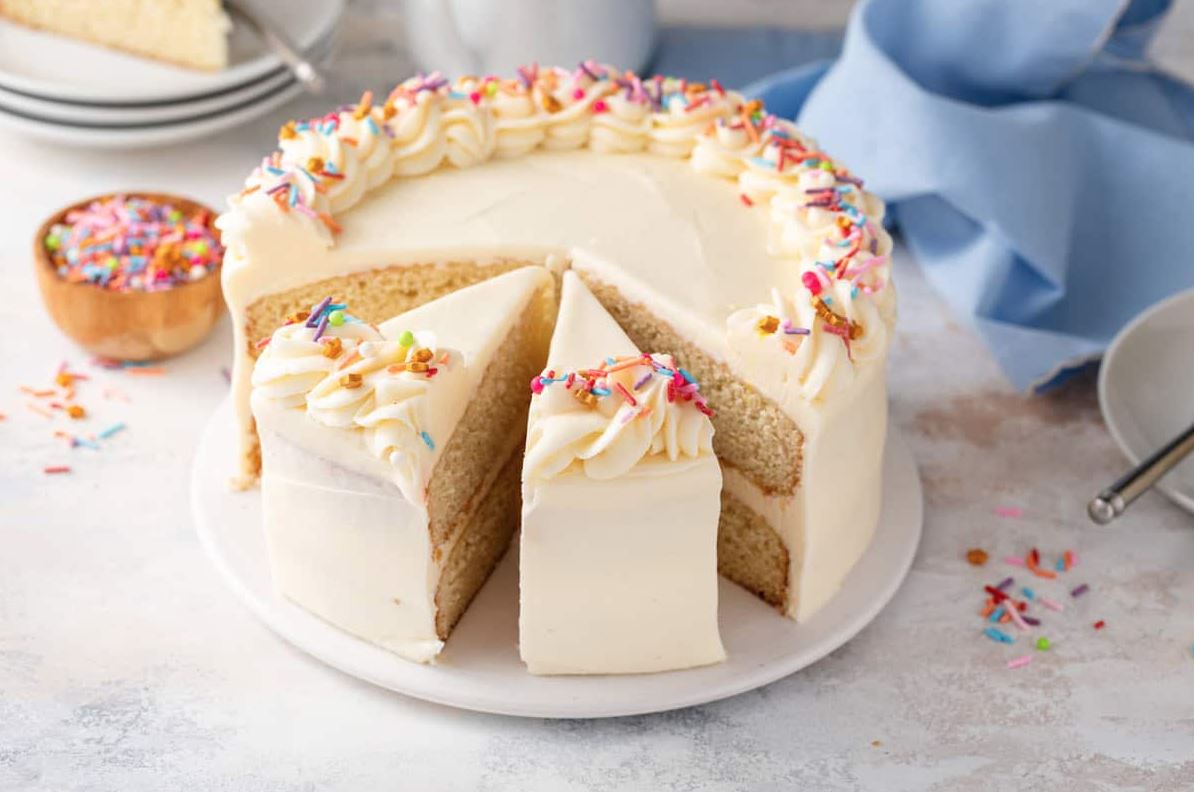
A sensory travelogue that follows vanilla from green vine to fragrant essence with science craft and care
Where perfume begins on a climbing vine
Vanilla grows as a tropical orchid that climbs living supports and sends roots into warm air and dappled shade, the plant opens pale flowers for a few brief hours and within that window the future of every bean is decided by patient hands that guide pollen to stigma and seal the promise of flavor.
Once pollinated the flower closes and a long green capsule begins to form, inside that pod enzymes and precursors gather while the outer skin thickens, the work of months lies ahead and the grower guards the vine from sun stress and wind so the pod can reach harvest with firm walls and full weight.
The hand that bridged flower and fruit
Manual pollination transformed vanilla from rare curiosity to beloved flavor, a simple movement lifts a membrane and presses pollen into place, the gesture takes seconds yet it writes a whole year of labor into the plant and ensures a harvest where bees or hummingbirds cannot serve.
This practice allowed cultivation far from the orchid’s original forests and taught a wider lesson about patience and observation, one careful touch at the right moment can support communities across oceans through a single note of fragrance.
Harvest signals written in shade and scent
Growers read the pod for fullness color and slight tip yellowing, a bean taken too soon will dry without depth while a bean held too long risks split ends and flavor loss, the cut must arrive when seeds are plump and the skin still taut.
Selection by touch matters as much as sight, the best beans bend without cracking and feel heavy for their length, these signs predict a rich cure and a supple finish that pastry cooks will treasure months later.
The alchemy of curing that awakens vanillin
Fresh beans hold glycosides and enzymes that sleep until the cure begins, a cycle of sweating and drying breaks bonds and frees aroma molecules while dark pigments form in the skin, the pod softens and turns leathery and its scent moves from green grass to warm cake and then to cocoa and dried flower.
Sun and shade share the work, heat encourages enzyme action and evaporation, rest allows moisture to drift from core to skin, and repeated sessions build layers of fragrance that simple heat could never deliver alone.
Four classic steps that shape character
Blanching or sun scalding starts the transformation and fixes color by disrupting cell structures, sweating keeps beans warm and humid so enzymes can unlock vanillin and friends, drying in stages prevents case hardening and protects pliancy, then conditioning in closed boxes settles the bouquet and evens moisture across every bundle.
Each region tunes time and temperature to climate, skilled curers know when to slow down on cloudy days or to shorten sun hours during sharp heat, the goal is not speed but harmony, a fragrance that feels wide rather than loud.
Molecules that play as a choir
Vanillin gives the central melody yet hundreds of partners add harmony, p hydroxybenzaldehyde lifts brightness, anisic notes add sweet clarity, smoky phenols trace the edges, and tiny amounts of spicy or woody compounds stretch the finish so a small dose flavors a whole custard.
This complexity is why real vanilla feels round and persistent compared to single note synthetics, the mind hears many instruments even when it cannot name them and the dessert reads complete at a lower sugar level because aroma fills the space where sweetness might have stood.
Terroir written in rain soil and craft
Madagascar beans often show warm chocolate and gentle caramel, Tahitian types lean toward floral and stone fruit, Mexican pods can carry raisin and spice, and smaller origins write their own stories in licorice, smoke, or honey, climate and curing style give these accents as surely as grape variety and barrel shape define wine.
Pastry menus can use these voices like a palette, choose a plush profile for ganache, pick a bright floral line for fruit creams, or blend regions to match a season or a memory, the bean becomes a design tool rather than a single fixed note.
Grades myths and what quality really is
Length shine and moisture suggest value yet they do not tell the whole truth, a very moist bean looks luxurious but may hide diluted flavor or short conditioning while a drier stick can sing if it was cured with care and stored well, fragrance and pliancy remain the most reliable guides.
When buying, look for beans that bend without cracking, carry a clean bouquet without sour or smoky harshness, and feel heavy for size, avoid pods that smear residue on fingers or show crystals that look like dust rather than true vanillin needles.
Storing the treasure without suffocating it
Vanilla thrives in darkness at cool room temperature with stable humidity, airtight glass protects aroma while parchment inside the jar cushions against sticking, oxygen exposure fades perfume and the refrigerator invites condensation that dulls the skin and awakens molds.
Rotate beans every few weeks by rolling the bundle gently, this keeps oils moving and prevents flat spots, a light check for off notes catches problems before they spread and a quick air out on a dry day restores balance if the jar feels muggy.
Turning pods into kitchen tools
A split pod shares two gifts, the tiny seeds known as caviar and the aromatic shell, scrape the seeds into creams batters and glazes for a speckled look that signals real vanilla, then simmer the husk in milk or syrup to pull deeper notes that bind the dish together.
After infusion dry the pod and bury it in sugar for a week to make perfumed crystals, or blend the dried shell with a touch of sugar to make a fine powder that seasons whipped cream frosting or crumb toppings without adding liquid.
Extract paste and whole bean compared
Whole beans give total control and the most nuanced bouquet, extracts deliver convenience and stability for large batches, pastes offer caviar visuals with consistent strength, the choice depends on technique and timing, not on a simple ladder of good better best.
For baked goods where alcohol cooks off, extract makes sense, for cold creams and ice creams the bean shines, for glazing or quick sauces a paste keeps color and distribution tidy, blend as needed and write your own house style.
Homemade extract with patience and notes
Split or chopped beans submerged in a neutral high proof spirit will share their perfume over months, label the jar with date bean origin and ratio, shake occasionally, and taste on a spoon of sugar rather than in plain liquid so perception matches the way you will use it.
As the level falls top with fresh spirit to keep beans covered, when strength wanes add a new bean and retire the old to sugar or syrup, this small ecosystem keeps your extract alive and tailored to your menu.
Vanilla sugar syrup tincture and glaze
Stir caviar into sugar then whisk for a minute to break clumps and lock seeds in place, the jar perfumes overnight and becomes a go to seasoning for shortcakes brioche and meringue, the used pod can steep in simple syrup for a week and later glaze fruit tarts or moisten sponge layers.
A quick tincture of vanilla in a mild spirit can rescue a custard that tastes shy without altering texture, a light brush of warm vanilla syrup over roasted fruit adds shine and scent while keeping sweetness modest.
Pairing map that respects both sides
Vanilla flatters chocolate coffee and caramel by softening edges and linking bitter to sweet, it lifts berries and stone fruits by framing acidity, it loves dairy because fat ferries aroma to the nose, and it grips nuts and seeds with a shared memory of toast and warmth.
For contrast, pair vanilla with citrus zest ginger or a pinch of salt, the spice or mineral line keeps the finish clean and the dessert feels balanced rather than heavy, a small bitter from tea or cocoa nib expands length without extra sugar.
Ice cream as a test of truth
Simple vanilla ice cream reveals bean character more clearly than complex desserts, infuse milk and cream with split pods at a gentle heat then rest cold so flavor migrates without scald or scorch, strain, add eggs or starch depending on style, and churn in a cold clean machine for small crystals and a soft glow of scent.
Age the base for a day if time allows, the bouquet gains width and the scoop tastes rounder, serve at a temperature that allows melt rather than numbness and the aroma will rise like steam even before the spoon lands.
Custards creams and bavarois
Pastry cream loves a whole bean, scald milk with the husk and seeds, rest, then temper into eggs and starch, the vanilla sets a calm backdrop for fruit or chocolate and the specks reassure guests that craft guided the process.
Bavarois and panna cotta reward restraint, use enough bean to perfume not to dominate, let gelatin set softly, and finish with a single ribbon of fruit or a few flakes of salt so the vanilla can breathe rather than shout.
Spirits and syrups for the bar and the table
Vanilla partners with rum bourbon and aged spirits that already carry wood and caramel, a small infusion turns a simple old fashioned into dessert and a dash of vanilla tincture can round a sharp citrus cocktail so it pairs with tart pies and sorbets.
Non alcoholic menus can use vanilla syrup in soda with lime or with cold brew and milk, the scent bridges bitter and acid, the drink reads generous, and the dessert course feels curated rather than sugary.
Savory paths that honor restraint
Vanilla in a butter sauce for lobster or scallop writes a soft line that echoes the sweetness of the seafood without stealing the scene, one split bean in a liter of cream and stock can be enough to turn a sauce into silk.
Root vegetables and pumpkin soups accept a whisper of vanilla with nutmeg and white pepper, the bowl tastes warmer and more complete and the garnish of toasted seeds connects the perfume back to the earth.
Ethics labor and the price behind perfume
Beans pass through many hands from pollination to drying to sorting, stable livelihoods depend on fair contracts and steady demand, buyers who commit to origins and seasons help farmers invest in curing houses and shade structures that protect both people and plants.
Choosing transparent suppliers supports quality and resilience, menus can name regions and small co ops with brevity, guests then taste not only a flavor but a relationship, which deepens appreciation while sustaining the chain that made the dessert possible.
Natural vanillin and the single molecule shortcut
Vanillin can be produced from wood or other sources and it delivers the core note without the quiet companions that make a bean feel alive, this can suit candies and large batch baking where cost and consistency drive decisions, but it will not replace the layered bouquet in a simple custard or ice cream.
Blends exist that pair vanilla extract with added vanillin to achieve strength at lower price, honest labeling allows cooks to choose the right handle for each task without confusion or disappointment.
Troubleshooting common disappointments
When a cream tastes flat the infusion likely ran too hot or too short, try a longer steep at lower heat and finish with a small pinch of salt to focus aroma, if an extract tastes harsh it may be young or overloaded, rest the jar or dilute before judging.
If specks clump in batter they were added too late or the fat was too cold, whisk seeds into a portion of sugar first for even distribution, if beans feel tough after storage they have dried, warm them gently over steam for a moment and massage to restore pliancy before splitting.
Cost stretching without loss of soul
Use a bean twice by infusing dairy first then drying and steeping in syrup, freeze spent pods and later grind to powder with sugar for macaron shells or streusel, keep a mother jar of vanilla sugar and feed it with every husk, this quiet thrift preserves fragrance across weeks.
For wholesale baking, set a ratio where paste carries visuals, extract carries base note, and a small amount of bean anchors authenticity in key items, the mix respects budget while keeping the signature of real vanilla present.
Measuring strength for consistency
Not all extracts share potency, weigh by grams rather than counting beans or spoons, keep a flavor log tied to lot numbers and adjust formulas gently across deliveries, taste in the medium you plan to serve because fat cold and acidity shift perception.
For competitions or photo shoots test under service light since color temperature affects how guests read sweetness and richness, a well balanced vanilla dessert should taste right from warm candlelight to cool daylight because aroma leads the experience.
Vanilla with chocolate a partnership of balance
Chocolate brings bitterness and fat that can easily overpower, vanilla threads between those elements and pulls fruit notes from cocoa that might stay hidden, the correct dose removes harsh edges without making the ganache taste perfumed.
When building a chocolate cake or mousse, dose vanilla lightly in the base, then repeat in the glaze or cream at a smaller level, the echo connects layers without monotony and the finish feels long and composed.
Fruit led desserts that glow with a beam of vanilla
Roasted berries bloom when a vanilla syrup glazes the pan after the fruit leaves the oven, the scent reads like summer even in winter, citrus curds hover between tart and sweet and a single split bean in the butter stage rounds corners while keeping brightness sharp.
Stone fruit compotes stay lively with a half bean and a splash of verjus, serve warm over chilled yogurt panna cotta and the contrast of temperature and perfume will say more than extra sugar ever could.
Grains nuts and the memory of warmth
Rice puddings and semolina cakes often rely on cinnamon alone, add vanilla to the milk and the grain tastes buttery and deep, almonds and pistachios take polish from vanilla in frangipane or praline where toast and flower meet in friendly balance.
Breakfast pastries like brioche and buns hold vanilla well because the overnight rest spreads aroma through the crumb, a small addition in the dough pays dividends the next morning when the bakery opens and the room already smells welcoming.
Designing a tasting flight around one bean
Serve a trio that shows vanilla in dairy fruit and chocolate, perhaps a spoon of custard, a bite of roasted pineapple with vanilla syrup and lime, and a shard of dark chocolate bark dusted with vanilla salt, the guest learns by tasting that one ingredient wears many shapes.
Finish the flight with a sip of warm milk lightly sweetened with vanilla sugar and a hint of nutmeg, the arc closes where it began, soft and fragrant, the memory of the bean becomes a thread through the evening.
A gentle note that carries farther than sweetness
Vanilla begins as a fleeting blossom and ends as a quiet voice that steadies desserts and welcomes the diner, its path from vine to jar teaches patience, its chemistry teaches balance, and its perfume reminds us that comfort can feel complex when handled with care.
Use the bean with respect and curiosity, let heat and time release what the plant stored, pair it with fruit grain chocolate and cream in ways that protect clarity, and the essence that reaches the spoon will sing like a familiar song discovered anew.